Carnegie Moscow Center


In a shifting economic and political environment, both China and Latin American countries will have to adjust to new challenges but also seek new opportunities.

This year marks the twentieth anniversary of the Arctic Council, with the United States handing over its rotating chairmanship to Finland. How can environmental and economic imperatives be balanced over the long-term?

The U.S. rebalance to the Asia-Pacific is well-known but the United States is far from the only country turning toward the region.

Experts on Russia and Eurasia will participate in an online Q&A to discuss current developments in Russian foreign policy.

While looking to deepen cooperation on global issues of common interest, the United States and China must identify effective approaches to dealing with international security challenges.

Clear regulations on civilian drone use, keeping in mind their true potential and the concerns of all stakeholders, would greatly benefit India.
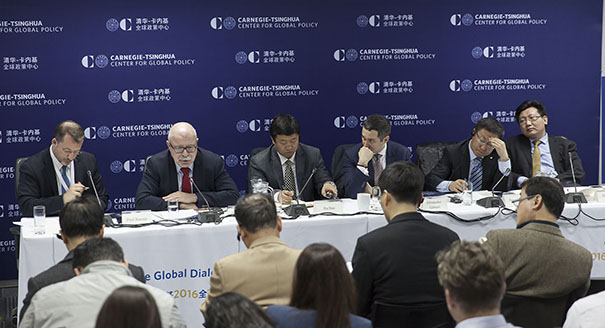
Geopolitical circumstances have prompted Russia to forge closer ties with China, but behind the warming façade, the two countries’ differing goals could create new sources of tension across Eurasia.

Five years after popular protests toppled the regime of Zine el-Abidine Ben Ali, Tunisia continues its transition toward democracy and has established a political dialogue that has been recognized by the international community.

A single person can make a significant impact even in the face of transformational trends such as globalization, climate change, and income inequality.

By April 1 Myanmar will have elected its new president, heralding the end of over six decades of authoritarianism. But the new administration faces daunting economic, social, and political challenges.