Carnegie Moscow Center


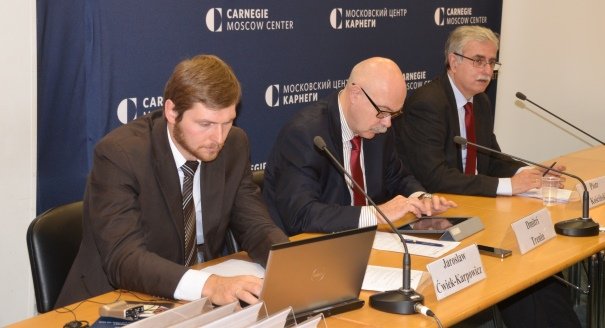
Russia-EU relations are of a technical rather than strategic character nowadays. A parallel functioning of the EU and the Eurasian Union would lead to more debate about strategic vision of Europe and the Eurasian continent.
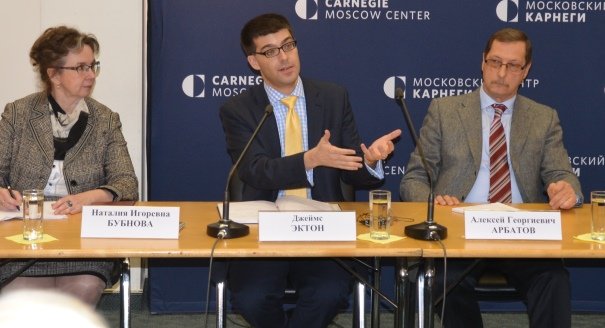
Alexei Arbatov and James M. Acton debated the prospects of French and British involvement in nuclear disarmament, as well as the concept of a voluntary transparency regime.

James M. Acton visited the Carnegie Moscow Center to present his most recent report Silver Bullet? Asking the Right Questions About Conventional Prompt Global Strike (2013). Alexei Arbatov participated.
The development of non-nuclear weapons that can strike distant targets in a short period of time has been a U.S. goal for over a decade now.
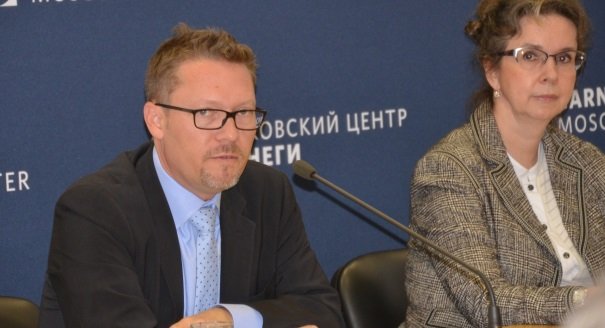
U.S. policy toward the Caucasus has undergone a reassessment over the past few years.
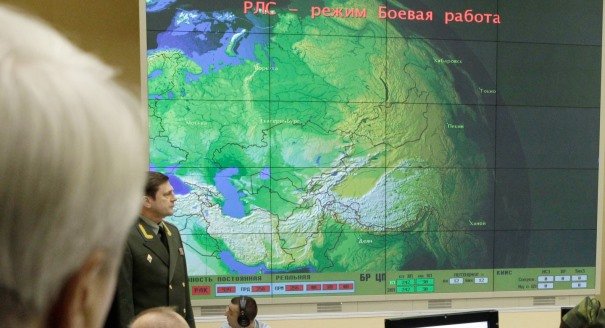
Cooperation between the United Starts and Russia on ballistic missile defense (BMD) remains unlikely.
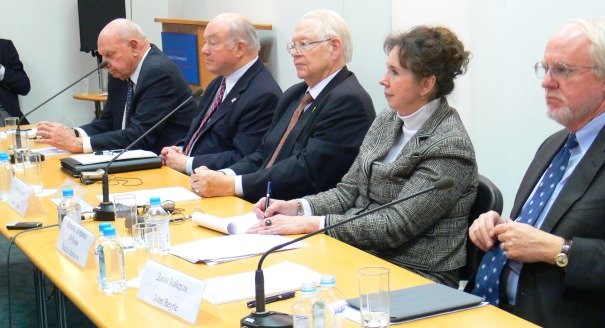
Despite the “reset” of U.S.-Russian relations during the first Obama administration, tensions seem to be increasing between Moscow and Washington.
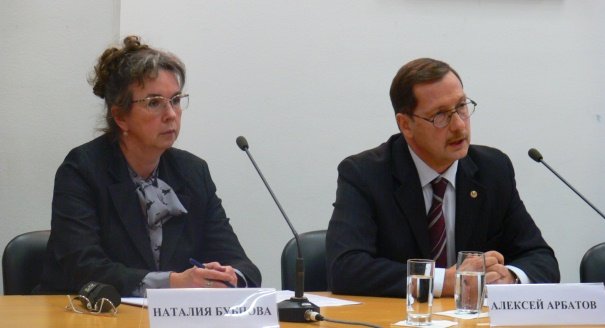
Russian-U.S.-Chinese relations in the sphere of strategic stability are becoming a popular topic of discussion among politicians, but analytical research on the topic is still in its beginning stages.
According to this year’s Transatlantic Trends survey, majority opinions toward Russia on both sides of the Atlantic have turned from favorable to unfavorable, while Russian opinions of the West was generally favorable.
Two issues—military reform and interethnic relations in the Russian Federation—seem to have grabbed the most public attention since the Soviet collapse. They have had a big impact on Russia’s public and political life over the last twenty years, and affect the foundations for the country’s future development.