Carnegie Moscow Center

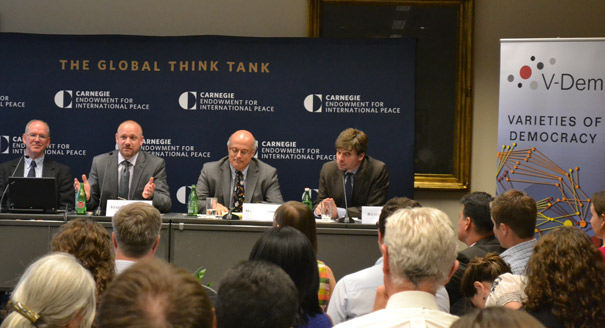
The global diversity of democratic political system continues to pose practical and analytical challenges to policymakers, advocates and researchers. A new collaborative effort seeks to provide a comprehensive and rigorous approach to the measurement of democracy around the world.
Transitioning Myanmar from authoritarianism to democracy and from a planned to a market economy brings unprecedented political, social, and economic difficulties.
Despite its rebalancing toward Asia, the Middle East remains a key priority for the United States.
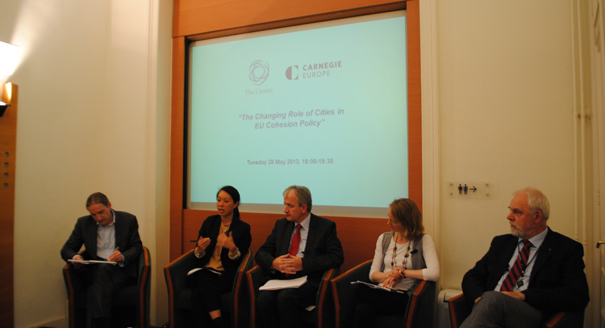
Cities, which account for 75 percent of Europe’s population and generate 85 percent of its GDP, have an important role to play in helping to meet key climate-change and economic targets.
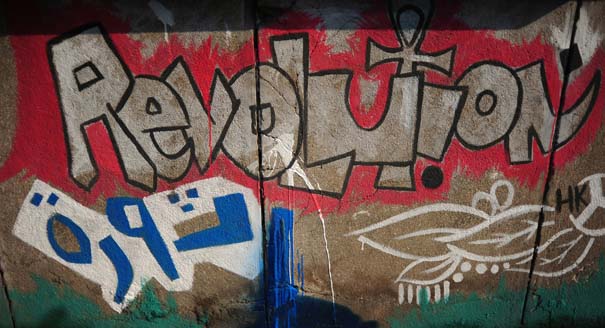
A focus on the differences between political actors and their implications for political development could distract attention from trying to understand the critical institutional changes underway in countries across the Arab world.
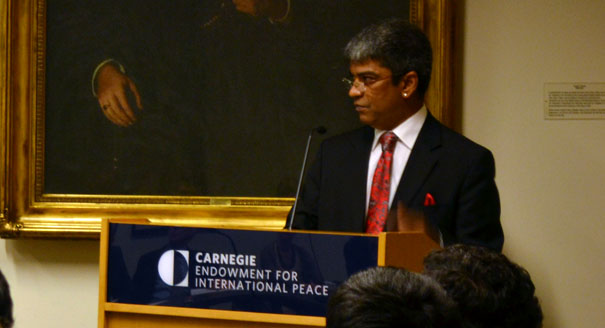
In just six decades, India has gone from geopolitical backwater to emerging global power.
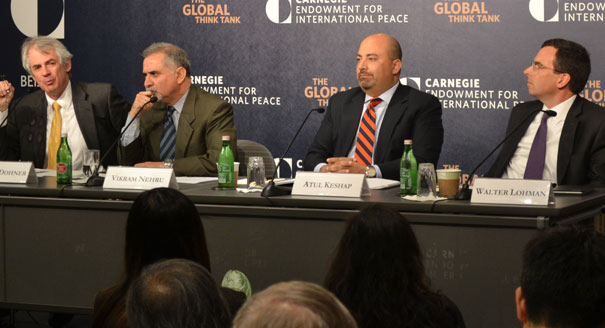
At a time of fiscal stress at home and economic challenges abroad, the credibility and sustainability of America’s economic engagement with Southeast Asia will be central to its success.
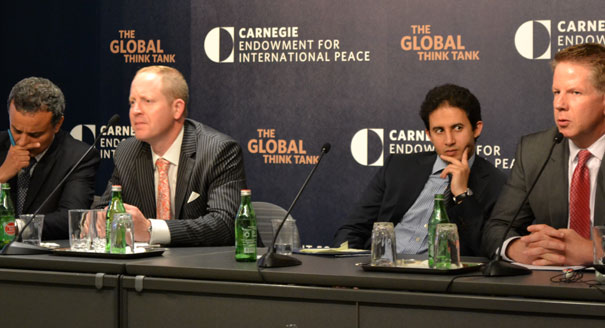
While the world’s attention was fixed on the momentous events in Tunisia, Egypt, and Libya after the outbreak of the Arab Awakening, the desert states to the south were undergoing their own transformations with major global implications.
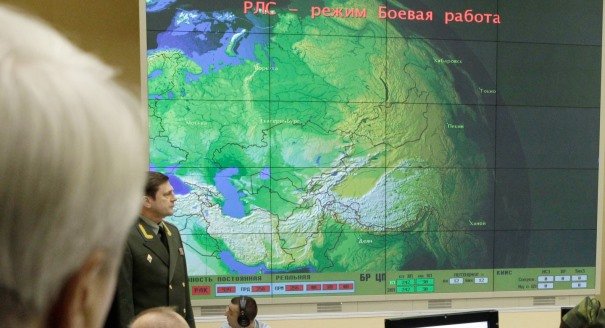
Cooperation between the United Starts and Russia on ballistic missile defense (BMD) remains unlikely.
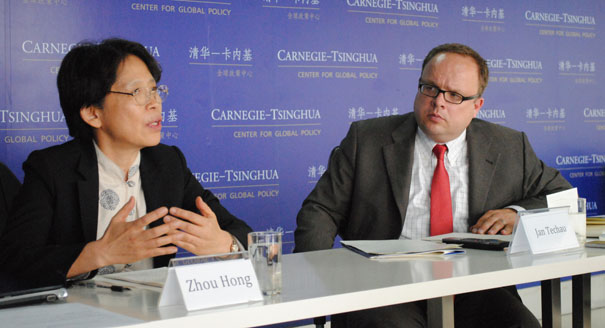
China’s relations with NATO are still weak, but common interests and global threats can lead to deepening cooperation and engagement in the future.