Carnegie Moscow Center

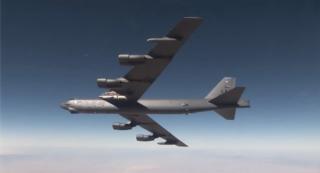
Against a backdrop of Russian, Chinese, and U.S. strides in science and technology, trilateral consultations could help address potential threats from new weapons.
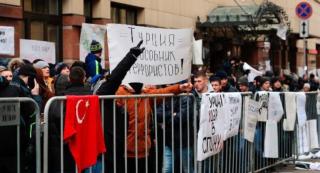
War and terrorism have become increasingly routine facts of life in Russia. Since 2014, this reality has become an essential tool for stimulating popular support for Russian President Vladimir Putin.
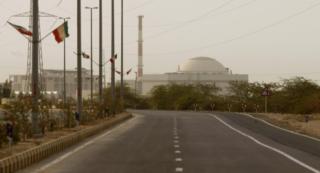
The Iranian nuclear deal may have created a useful precedent for Nuclear Non-Proliferation Treaty member states to strengthen the global nuclear nonproliferation system.

Serious economic reforms cannot be implemented unless Russia’s political atmosphere and institutions grow more supportive of individual freedom.
The real cost of Russia’s current isolation will be felt in the long term: the country will miss opportunities for growth and will continue to stagnate.
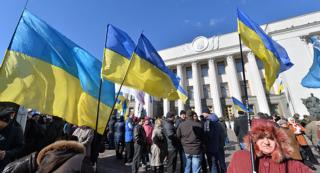
The turmoil in eastern Ukraine has shaken the post–Cold War order. But there is reason to hope a more effective approach to building regional security might be possible.
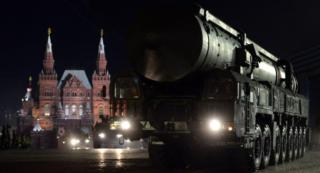
The current nuclear hysteria resides first and foremost in the minds of Russian and U.S. government officials. Fears of a nonnuclear, armed confrontation between Russia, on the one hand, and the United States and NATO, on the other, are also unfounded.

While the Kremlin continues to score plenty of tactical victories in the political sphere, the regime has demonstrated no ability to think strategically. The lack of strategic thinking stems from the elites’ desire to preserve their own power and the whims of an authoritarian political system.
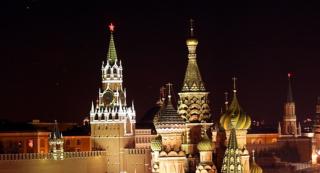
Russia is a superpower in decline, and the challenge it poses to the United States is very different from that posed by the Soviet Union.

The EU needs to remold its support for fundamental political reform in Eastern Partnership partner states—and use this as a firmer base from which to assuage tensions with Russia.

There is little reason to believe that the Russian middle class will react to the ongoing financial and economic crisis with protests or renewed calls for change. Instead, it seems almost certain that it will opt for strategies of survival and perseverance.

The nuclear arms control regime is unraveling. An aggressive search for new formats, concepts, and methods is urgently needed to adapt the system to changed realities.
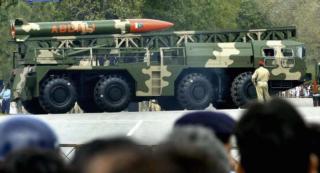
South Asia is more vulnerable to a possible nuclear conflict than any other region. It is necessary to take a number of urgent steps to stabilize relations between India and Pakistan and prevent a nuclear threat.
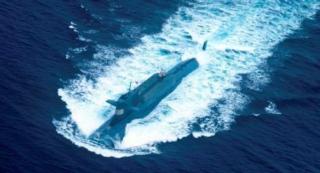
In spite of all the difficulties, it appears possible to engage China gradually in the nuclear arms limitation process. However, not only Beijing but also the United States and Russia must revise their military policies.
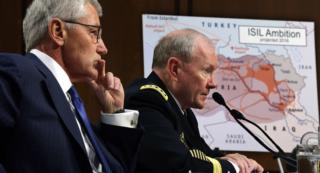
As an international coalition gears up to confront the Islamic State, there is a rare opportunity to try to get the Syrian regime and rebels to stop fighting each other.
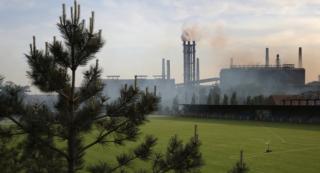
Defense-industrial cooperation between Ukraine and Russia is in jeopardy. Washington and Moscow need to act now to help Kyiv secure its most sensitive defense resources.
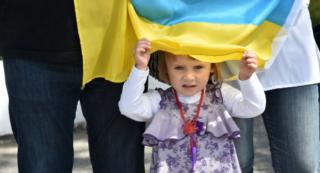
The Ukraine crisis has ended the period in Russian-Western relations that began with the fall of the Berlin Wall in 1989 and has opened a new period of heightened rivalry, even confrontation, between former Cold War adversaries.

The word “genocide” has long been abused in Eastern Europe. In the current Ukraine crisis, such fiery rhetoric is fueling a dangerous conflict and hindering reconciliation.
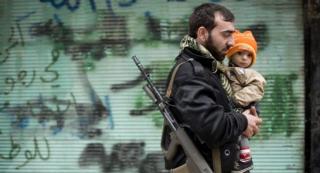
The highly localized nature of the Syrian conflict means that its evolution and eventual resolution will elude the control of outsiders.

For Tehran, the Syrian conflict is at the center of an ideological, sectarian, and geopolitical struggle against a diverse array of adversaries.