Carnegie Moscow Center

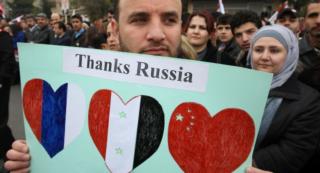
If Russia continues to support Syrian leader Bashar al-Assad, it does not bode well for cooperation between Russia and the West on missile defense or any other security matter of a strategic nature.
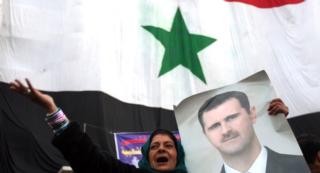
Syria has entered a “hurting stalemate” that may last months rather than years. The regime is unable to suppress the revolt, but the opposition seems equally unable to demonstrate effective operational control over an increasingly messy situation on the ground.
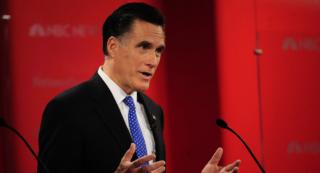
China’s impact on the U.S. economy and its rising global power gives China a significant role in the Republican primaries for the 2012 U.S. presidential elections.
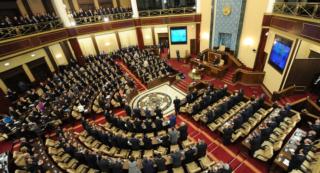
Recent violence in Zhanaozen in December has forced Kazakhstan's authorities to rethink political, economic, and social policies. Only time will tell if the changes will have their desired effect, but it is the country's population that will make the ultimate judgment.
The ruling class emerged victorious from the recent parliamentary elections in Kazakhstan. But the overconfidence of Kazakh leaders means that all economic, social, and political issues, including the question of power transition, remain unresolved. The leadership may soon face a political storm.
With recent financial headlines echoing those just before the bankruptcy of Lehman Brothers, European and U.S. policymakers must take urgent steps to reduce risk and prepare for bad times ahead.
With the global economy on unstable ground and little economic space remaining for additional policy support, world leaders must focus on preventing a catastrophe in Europe.
The death of North Korean dictator Kim Jung Il increases the likelihood that the stress on the multiple fault lines in Korean society will reach the point of breaking. Secret talks with China to plan for contingencies may be needed now more than ever.
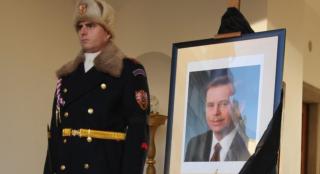
Vaclav Havel, the last president of Czechoslovakia and the first president of the Czech Republic, died on December 18, 2011. He lived according to his principles and never compromised on matters of conscience.
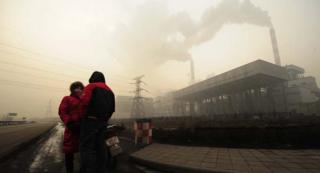
The climate change negotiations in Durban did not succeed in developing a joint system to reduce carbon dioxide emissions. Developing and developed countries should consolidate their efforts to achieve a new global agreement.
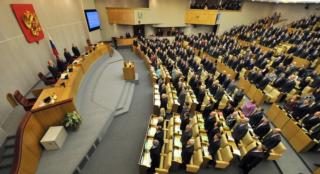
Tens of thousands of Russians took to the street in protest over voter fraud allegations in the country’s parliamentary elections. It remains to be seen what this public response and the election results will mean for the country’s future.
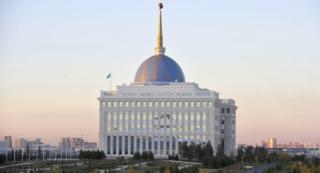
As Kazakhstan celebrates its twentieth anniversary of independence, the country faces a number of tough geopolitical, political, economic, and social challenges.
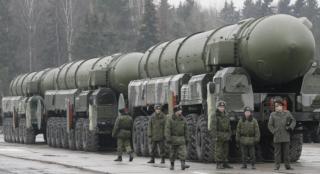
There is a fundamental disconnect between the West and Russia on the issue of missile defense, based on an outdated and incomplete understanding of the strategic environment and each other.
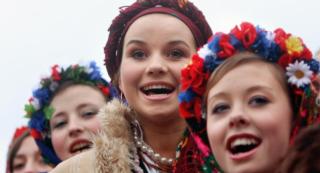
In 1991, Ukrainians had high hopes for a democratic and prosperous future. However, two decades on, the direction their country will take is still far from clear.
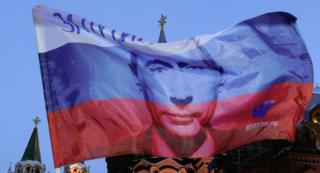
Vladimir Putin’s ruling United Russia party received just shy of 50 percent of the vote in the recent elections for Russia’s lower house in parliament, an unexpected blow to the once extremely popular ruler.
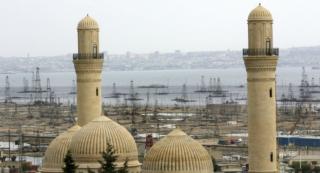
After two decades of existence, the countries of the South Caucasus face the short-term threat of renewed conflict and the longer-term challenge of avoiding a slide into global irrelevance.
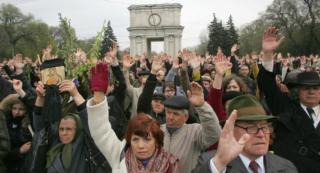
Despite the hopes placed in the political negotiations in Chisinau over the past few weeks, the Moldovan people may not have a new president any time soon.
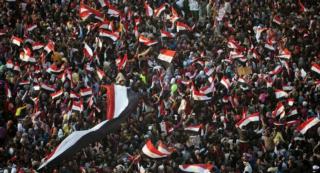
The events of the Arab Spring surprised both politicians and experts and while the region’s future is not yet clear, a number of risky scenarios could unfold.
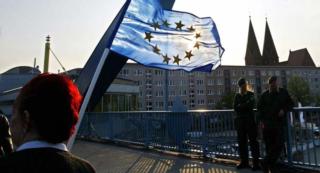
The Polish-German joint letter calling on the EU to revamp its policy on Russia is a milestone in the two countries’ common policy toward Moscow. If this cooperation lasts, it could reshape politics both within the EU as well with its Eastern neighbors.
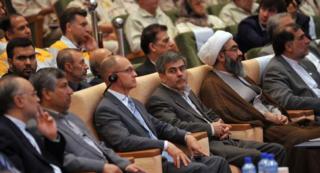
Russia’s immediate reaction to the International Atomic Energy Agency's report on Iran indicates its reluctance to give in to further pressure on Tehran from the West, as the Kremlin reiterated its policy of finding a diplomatic resolution to the impasse.