Carnegie Moscow Center

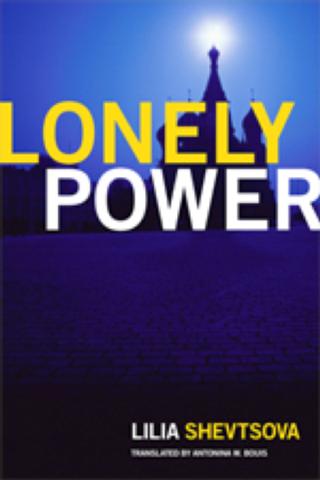
While the "reset" in U.S.–Russian relations has come with closer cooperation on arms control, Afghanistan, and Iran, as long as Russia's system of personalized power rests on anti-Western principles, a true reset is unattainable.
Relations between the state, business and society in Russia are fragmented. Interconnected, three-way dialogues between these three groups are practically nonexistent.
A broad array of military, political, and legal issues exert an increasing influence on the issue of nuclear nonproliferation, and they must be taken into account in any effort to strengthen the nonproliferation regime.
Post-Soviet Russia has witnessed an expansion of religious freedom and a change in the relationship between religious entities and the state. Religious movements that had all but disappeared under the Soviet regime have been experiencing a revival.
By pursuing its own distinct foreign policy, Russia is isolating itself from the rest of the world. A continuation of these policies will leave Russia with only weak, opportunistic ties to the global community.
Each of seven major religions in Eurasia—Buddhism, Catholicism, Hinduism, Islam, Protestantism, Russian Orthodoxy, and paganism—has been forced to develop under the modern pressures of globalization.
The European Union has little direct governmental influence on Russia, but its indirect societal influence is significant. Ultimately, however, while the EU can help efforts to modernize Russia, there is a need for real reform from inside the country itself.
Eastern European and Baltic countries that have recently joined NATO and the European Union have undergone social and economic reforms, but they have also faced significant challenges along the way. Can their experience be of use to Russia?
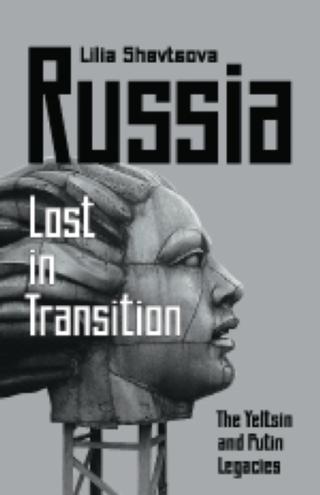
Lilia Shevtsova searches the histories of the Yeltsin and Putin regimes, exploring within them conventional truths and myths about Russia, paradoxes of Russian political development, and Russia’s role in the world.
This book sheds new light on our understanding of contemporary Russia, providing Western audiences with an insider’s explanation of how the country has arrived at its current position and how the United States and Europe can deal with it more productively.
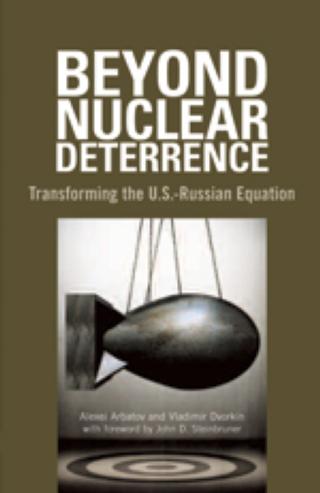
While deterrence as a concept has always been paradoxical, it is poorly equipped to handle today’s most significant nuclear challenges: proliferation and terrorism. Nuclear arms control must move beyond the deadlock of deterrence.
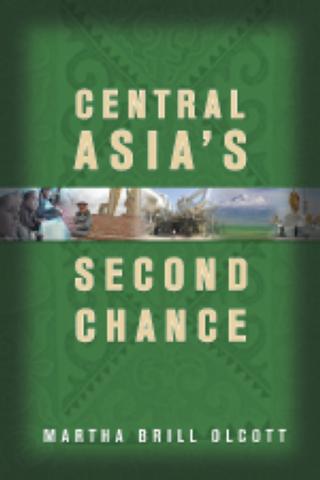
Early hopes for a democratic transition in Central Asia after the fall of the Soviet Union were dashed, but new hope was raised as the global community re-engaged with Central Asia in the wake of 9/11. Martha Brill Olcott explains how the region squandered its "second chance," and what might happen next.
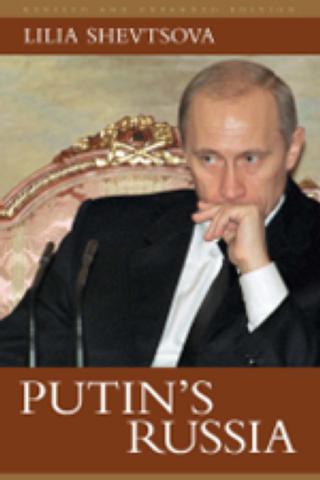
This revised edition explores the true nature of Putin’s leadership and how far he is willing to go and capable of going with further transformation. The book includes an examination of the recent presidential and parliamentary elections and their effects on Putin’s leadership and Russia.
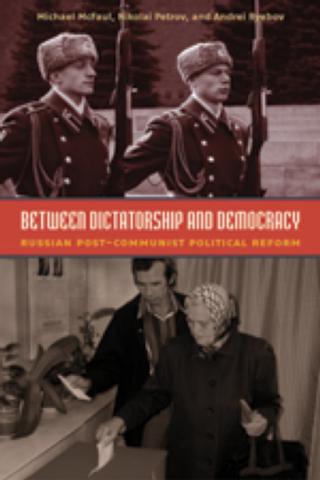
For hundreds of years, dictators have ruled Russia. Do they still? Did the processes unleashed by Gorbachev and continued under Russian President Boris Yeltsin lead eventually to liberal democracy in Russia?
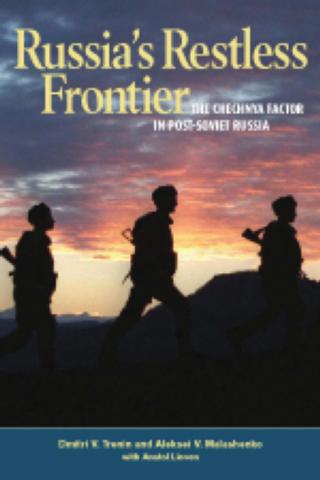
Trenin and Malashenko examine the implications of the war with Chechnya for Russia's post-Soviet evolution. Considering Chechnya's impact on Russia's military, domestic politics, foreign policy, and ethnic relations, the authors contend that the Chechen factor must be addressed before Russia can continue its development.
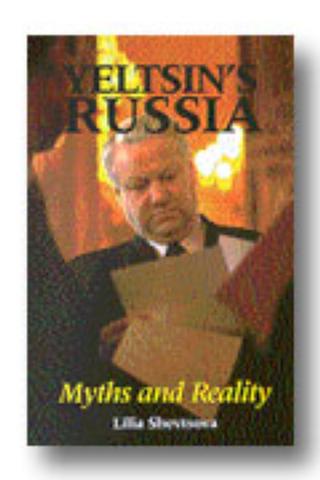
Combining keen political analysis with the unique perspective of a native observer, Lilia Shevtsova offers a valuable assessment of the forces that will shape the post-Yeltsin era.