Carnegie Moscow Center

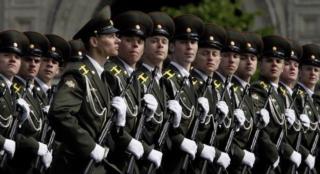
The formation of a Russian Special Operations Command is meant to counteract any threats that an increasingly volatile Syria and an unstable Afghanistan will pose to the Russian state.

After the Boston bombings it should be clearer than ever before that the United States needs fulsome security partnerships with other countries.
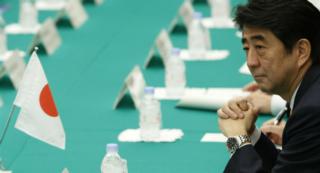
Manmohan Singh could stand to learn from Shinzo Abe's energetic outreach to foreign governments.

A stronger relationship between Russia and Japan would serve both countries well and pose no threat to China.
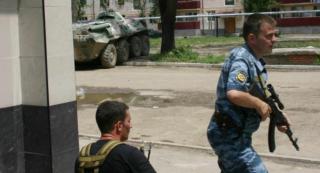
The Boston bombing has heightened tensions in Europe and has had repercussions for Russia, especially in light of the need to provide security at the Sochi Olympics.

The North Caucasus, home of a low-level Islamist insurgency, is easily Europe’s worst conflict zone. Moscow has lost authority over the territory—but no one else has gained it.
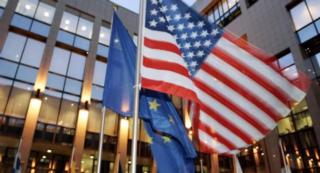
The Atlantic alliance needs to be renewed with an effective trans-Atlantic rebalancing.

Islam may not have been the primary motivation behind the Tsarnaev brothers’ bombing in Boston; what they wanted was to make headlines.
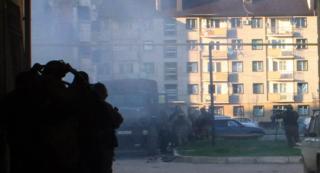
Chechnya is outwardly much more quiet than in previous years, but a low-level Islamist insurgency continues in and around the region that takes dozens of lives each year.

There is little Russia could have done to help the United States prevent the Boston bombings, but Washington and Moscow should restart and enhance international antiterrorist cooperation.

It seems that Russia is not ready to face new and diverse threats and challenges in international security. Instead, it gives priority to preparations for war with the United States and NATO.

Introducing a normative dimension into the U.S. relationship with the Kremlin will complicate bilateral relations, but it will also help the United States regain the trust and respect of Russia’s pro-Western constituency.
In order for the EU to have a successful policy toward its biggest neighbor, Europeans must understand the recent changes that have taken place in Russia and their implications for the country’s future.
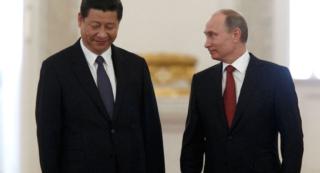
Russia has embarked on its own “pivot” toward China, but it is far from certain that Moscow will find Beijing a comfortable partner.
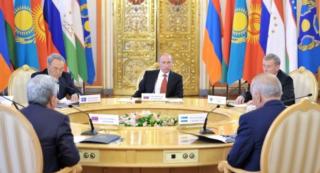
For the foreseeable future, the Commonwealth of Independent States should remain Russia’s significant foreign policy priority. Its policies toward individual CIS countries will be shaped by Russian leaders’ practical interests and needs, and also by the changing environment.
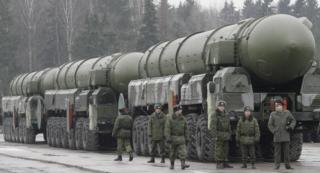
In 2013, the state of, and prospects for, U.S.-Russian cooperation in arms control and security look more dubious than at any point since the end of the Cold War. The main obstacle is unfavorable domestic political environments in both countries.
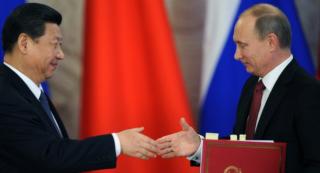
The emerging Sino-Russian relationship in the Xi-Putin era is likely to take the form of a tandem in which China will be the driving force, though not at the cost of Russia surrendering its independence.
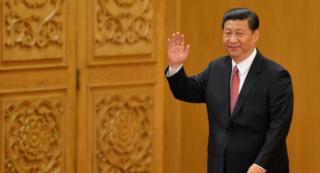
Xi Jinping’s visit to Moscow may not necessarily be historic, but it is certainly symbolic of the long way bilateral relations between Russia and China have come.

Western society wants to bring back a normative dimension to foreign policy and stop the export of corruption from authoritarian and semi-authoritarian countries to the West.

Hugo Chávez shattered Venezuela’s peaceful coexistence with poverty, but leaves behind a weaker democracy, an economy in shambles, a fiercely polarized society, and high crime and murder rates.