Carnegie Moscow Center


Russia has no intentions of getting involved again in Afghanistan. Yet Central Asian republics now fear instability on their borders as NATO’s 100,000-strong presence ends.
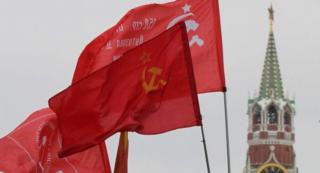
A true de-Stalinization process in Russia will require no less than a reinvention of Russian nationhood based on a rejection of the traditional concept of the state, an end to the political and historical immunity of the secret police, and the emergence of a concept of "we, the people."
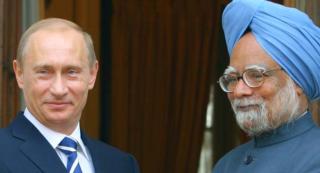
The Russian government should transition to a comprehensive and overarching strategy in South Asia.
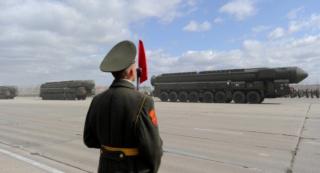
Obama’s bid to reduce the number of nuclear weapons globally requires an updated and comprehensive look at Russia’s security needs to be successful.
For the first time, Moscow has said openly that it will limit the West and its influence not only in Russian territory but also in the post-Soviet countries.
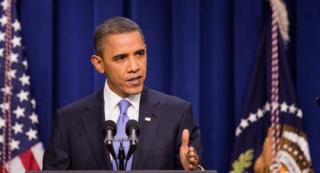
While the United States has made mistakes, the current state of Russian-American relations stems mostly from the Kremlin’s creation of imitation democracy and its attempts to exploit the West and anti-Americanism for political survival.

Despite the recent rapid deterioration in relations, the United States and Russia need to continue talk to each other in order to preserve mutually beneficial cooperation.

Despite the support by some political parties in Europe, human rights organizations have been unable to prevent high-profile events taking place in autocratic countries.
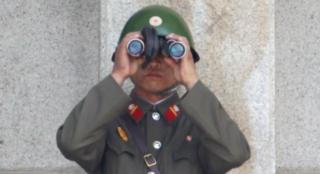
If the United States and Europe look the other way, North Korea's provocations will continue to threaten the regional order. The Six-Party Talks are unlikely to provide a solution, but Russia could intervene.
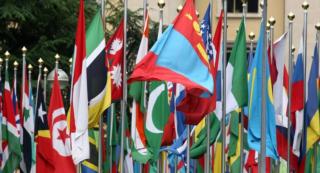
Although the world has grown increasingly more globalized and intertwined, there has been a simultaneous rise in the inability of countries to collaborate to tackle international challenges.
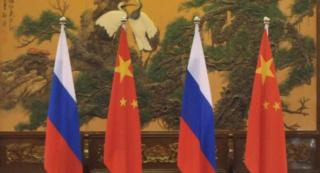
A comparison of China and Russia can reveal not only the dramas of undemocratic societies and the limitations of modernization efforts by top-down governments, but also the challenges that the West faces.

It is understandable that Western leaders prefer to strike tactical deals with the Kremlin and hope Russia does not go down on their watch. But there is another approach: stop helping the Kremlin.

Washington ignores Russia’s obsession with the United States at its own peril.
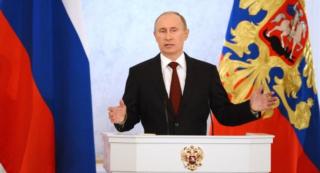
Putin’s new foreign policy doctrine has control as its true objective, sovereignty as its slogan, and nationalism as its soul.

The interpretation of Eurasia as the post-Soviet space is now outdated. This area is only a part of the vast but increasingly crowded region that is set to become the center of world development in the 21st century.
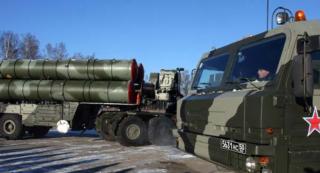
Russian arms sales to China’s neighbors like India and Vietnam are not conscious acts by Moscow intended to damage the Russian-Chinese relationship.
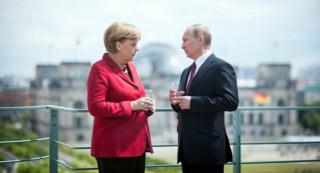
“Russen & Deutsche,” an exhibition at the Neues Museum in Berlin, is an ambitious attempt to show how the ties between Russian and German cultures have developed over a thousand years.

A comprehensive P5+1 Iran deal that included a Russo-Iranian agreement on nuclear cooperation could give Moscow a powerful incentive to work with the West and open a sustainable path for Iran toward commercial nuclear power development.

It is time to move the global climate agenda forward by exploring alternative platforms for collaboration.
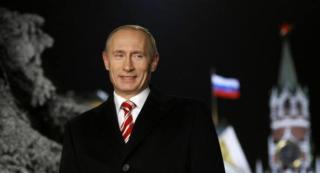
Though Russia’s relations with the West have deteriorated over 2012, it is important for Moscow and the Western countries to “rediscover” each other and to develop a strategic relationship.