Carnegie Moscow Center

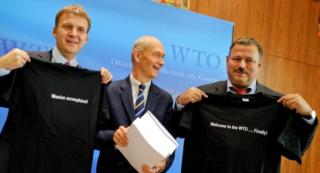
Russia’s accession to the World Trade Organization remains a controversial issue in the country. It will not necessarily bring an end to trade disputes with the EU, but is likely to advance the establishment of a free trade zone and the signing of a new cooperation agreement.
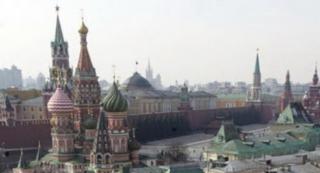
A new bill introduced to change the way the Federation Council is formed ostensibly allows voters to express their will but actually shields those in power from accountability to the electorate.
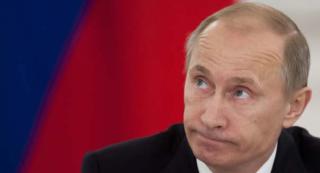
By censoring the media, discrediting moderate opposition, and provoking popular discontent, Putin is only widening the fissures threatening the whole Russian political system.
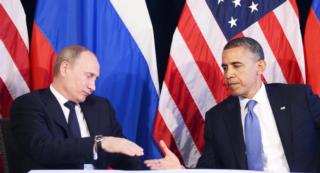
The recent meeting between Putin and Obama has resulted in an increase in Putin’s self-confidence, his attempt to pressure the United States, and Obama’s aspiration not to aggravate relations with the Kremlin.
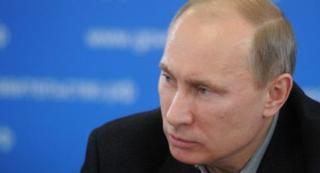
Recent bureaucratic appointments by Vladimir Putin and the installation of longtime Putin ally Igor Sechin as Rosneft’s chief executive offer the international community a glimpse of some of Putin’s chief economic and foreign policy objectives.
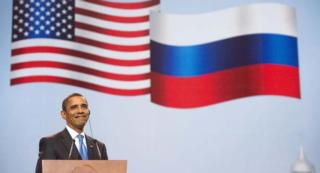
If United States and Russia fail to collaborate on urgent global issues, it could enhance the two countries’ mutual alienation, allow regional crises to run unabated, and even lead to a reconfiguration of the world’s strategic landscape.
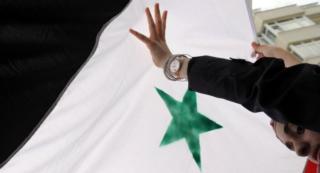
In case of unobstructed civil war in Syria, the division between Russian and U.S. policies toward Syria will most probably deepen, and the choices of these two countries will have serious international implications, including stronger Russia-China cooperation to counter U.S. foreign policies.
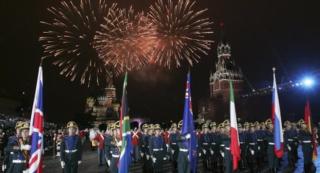
Russian liberals are increasingly critical of the West as Western countries pursue a pragmatic foreign policy that often helps the Kremlin legitimize its rule.
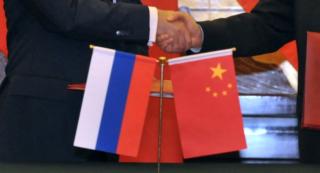
A flexible relationship, rather than an alliance, may better suit Russia and China despite their many shared interests.
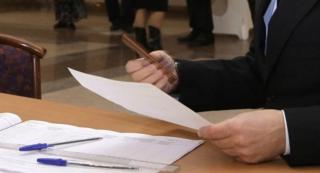
The Kremlin is unlikely to be able to manage gubernatorial elections the way it might wish, as it becomes increasingly difficult for Moscow to manage the democratic process at the regional level.
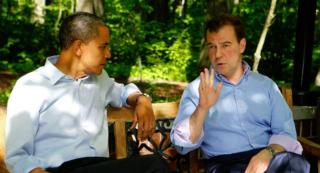
The Obama administration's policy on Russia is proving to be fairly insignificant in the ongoing U.S. presidential campaigns.
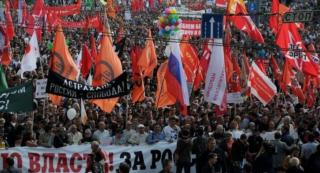
Putin's return to the Kremlin may well act as an accelerator for revolution, because it means that the logic of personalized power will continue to stand in the way of regime change.
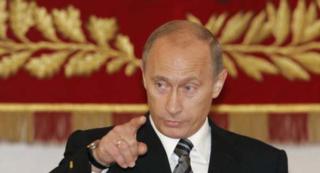
Each of the three previous four-year presidential terms in Russia—two of Vladimir Putin and one Dmitry Medvedev’s—has been marked by a different policy toward the West, and the new Putin’s six-year period opening in 2012 is likely to follow that pattern.
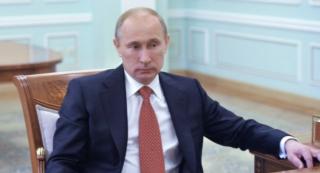
The Russian political system is likely to undergo some changes this year, perhaps even serious ones—not because Putin wants them, but because elements of Putin's inner circle are convinced that the government must take some of the protesters' demands seriously.
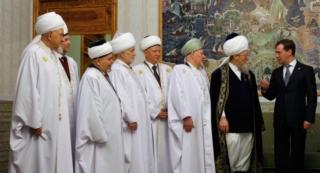
Russia's Muslim community is divided, with much of its clergy fighting over leadership. This divide suits the Kremlin, which has no interest in a unified or strong Muslim minority.
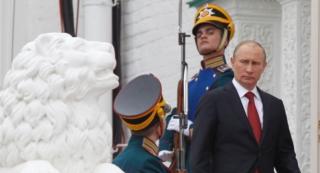
Putin has returned to the Kremlin, but he faces a significantly different Russia, because the country's situation has changed drastically. The previous Putin’s consensus between those in power and society has fallen apart.
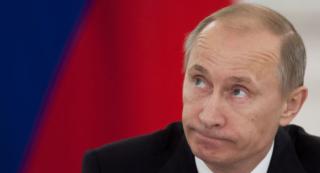
Putin’s surprising decision to skip the G8 summit means that he is putting the stability of his power structure above his diplomatic engagements abroad.
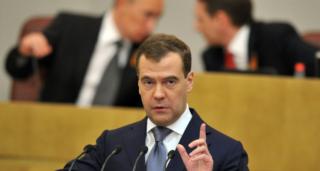
Putin's return to power reveals Medvedev's supposedly reformist presidency for the farce it really was. Medvedev's legacy in one sentence: He enabled Putin's personalized rule to continue unabated.
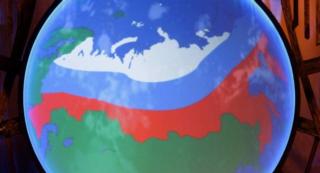
The Russian empire is over, but the belief that Russia is finished as a serious global player might be premature. Today, Russia’s goals include modernizing, creating a nation-state, and finding the country’s new role in the world.
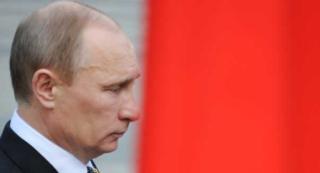
Putin remains the most powerful man in Russia, but the rallies, while failing to yield immediate political change, signal that serious societal shifts are underway.