Carnegie Moscow Center

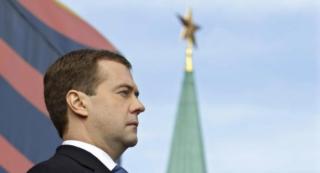
Dmitry Medvedev’s four years of presidency were a missed opportunity in terms of modernizing the country. His most important achievements were in foreign policy, not in domestic policy.
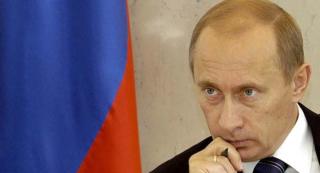
The Institute for World Economy and International Relations has released a forecasting project which challenges the Russian leadership to recognize and adapt to measurable global trends, even when those run counter to the Kremlin line.

The latest apparent thaw on all sides of the protracted Transnistria conflict is a hopeful sign, but the resolution process will continue to be gradual and deliberate.

While developing its Asian strategy, Russia will certainly give a lot of attention to cooperation with China, but it will not ignore its interests and opportunities in other countries in the region.
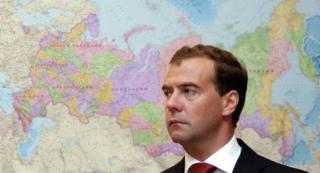
Though political reforms in Russia are likely to be weakened even further and gubernatorial elections will be restricted by additional limits, the popular push for democracy continues to grow.
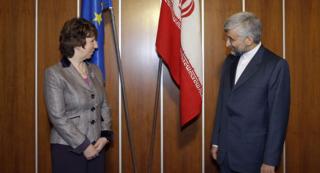
Though the participants in the negotiations about Iran's nuclear program foresee several rounds of discussions, all are acutely aware that time to reach agreement peacefully may be running out.
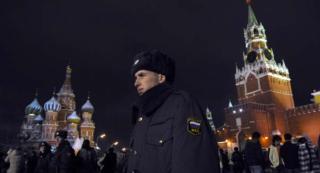
The chief goals of U.S.-Russian relations should be developing engagement, building trust, and transforming the nature of the strategic relationship.
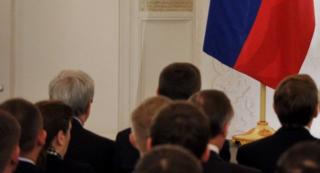
In spite of the fact that the pace of political reform in Russian is slowing, the political elites in many Russian regions have already started preparations for the reinstatement of direct elections of governors and mayors.
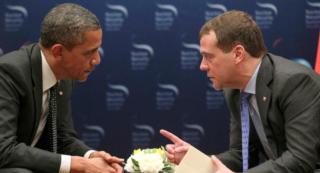
As the U.S. primaries and elections continue, the candidates should consider laying some groundwork now for a Russia policy robust enough to bear the weight of concrete U.S. interests that depend on cooperation with Moscow.

As Italian and Spanish spreads on government bonds decline, Europeans are breathing a big sigh of relief. But true recovery requires big structural shifts that will take many years.
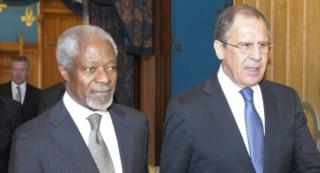
UN-Arab League envoy Kofi Annan is most likely looking to persuade Syria’s Bashar al-Assad to leave power and prevent a collapse of the Syrian state and civil war.
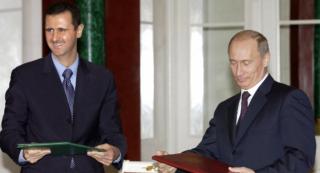
Russia’s intransigence in the face of intense international pressure to halt the violence in Syria is confusing to much of the world, but there are real Russian financial and strategic interests at stake over Syria.
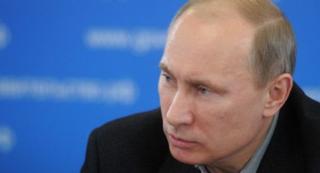
In the aftermath of the presidential elections, Putin’s uncertain political position and weakened political strength may prove both a domestic and international limitation.
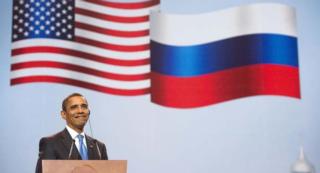
Restoration of a Congress-Duma track can send a clear message to Moscow that further improvements in the bilateral relations require progress on the issues of human rights and the rule of law.
Today, Russia is peripheral to many of the major conflicts in the world. While this gives Moscow an opportunity to take care of its own affairs, Russia also needs to define and fulfill its new international role.
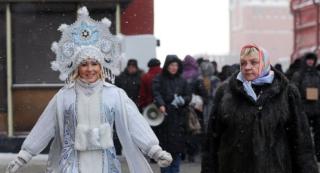
Women in modern Russia still face a number of challenges, but Russian women and their Soviet counterparts have always been rather independent and active.
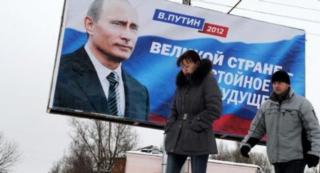
There is no reason to believe that the protests and the problems associated with them will end now that the Duma and presidential elections are over.
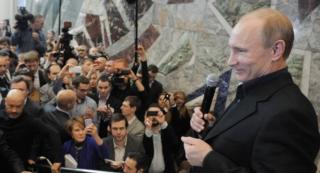
While Vladimir Putin’s election to the presidency should not change the course of Russia’s foreign policy, his fate will largely depend on his government’s socio-economic and political performance.
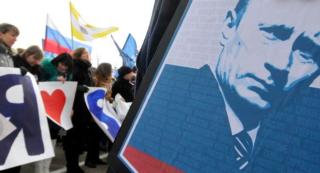
Putin's return to the Kremlin may be good news for Dmitri Medvedev and Russia's oligarchs, but the middle class, especially the younger generation, is less optimistic about his re-election and the country's future.

Western governments have the opportunity to demonstrate to the Russian elite that its ability to prosper in the West depends on its behavior inside Russia itself.