Carnegie Moscow Center

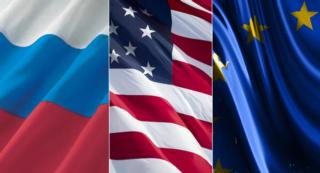
The Euro-Atlantic Security Initiative set out to identify the practical steps needed to secure the region’s future and to create new pathways to a more inclusive and effective Euro-Atlantic community, focusing on the military, human, and economic dimensions of security.
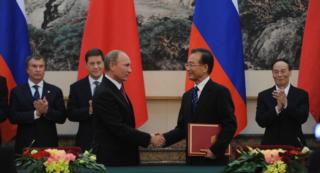
While the project of “grand Eurasian alliance” between Russia and China currently appears unworkable, the Sino-Russian strategic partnership is a major boon for both countries and acts as one of the pillars of peace and stability in Asia.
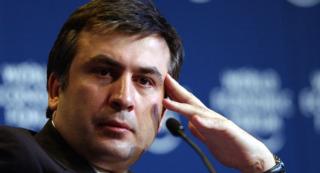
If Georgian President Saakashvili can leave the scene gracefully when his term ends and allow a more pluralistic politics to emerge in Georgia after him, he will set a good example to the rest of the former Soviet Union, Russia included.
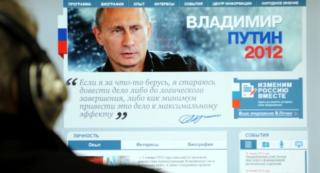
Vladimir Putin and the Kremlin seem to have staked their futures on Putin’s victory in the first round of the presidential elections and are working to remove any possible opponents who might be able to appeal to Putin’s electoral base.
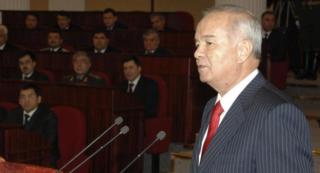
Uzbekistan, like other Central Asian states, shifts its foreign policy efforts between Moscow and Washington depending on circumstances. It seems that now Uzbekistan is pressing for an increased American military presence in the country.
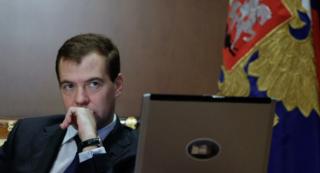
The Kremlin is trying to present President Dmitry Medvedev's new bill as a way of bringing back direct gubernatorial elections, but in fact governors will still remain beholden to the president, not the people.
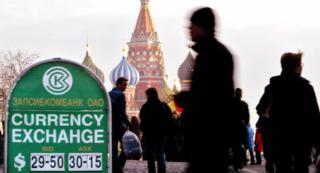
Russia faces serious economic challenges, including a demographic crisis, corruption, weak enforcement of property rights, and over-reliance on hydrocarbons. A combination of structural political and economic reforms is required to save the country from stagnation.
Vladimir Putin’s article in the Izvestia daily demonstrates both his anxiety over the recent protests and his inability to recognize how significantly Russian society is changing.
After more than a decade in power without political competition, Vladimir Putin has lost the ability to adapt to rapidly changing conditions and has become less effective and less popular.

The cumulative impact of the nuclear developments that occurred in 2012, from the disaster in Fukushima to Iran's continuing nuclear program, will make the world's nuclear future more uncertain.
The election of a young reformer to the presidency in the breakaway region of Transnistria is a triumph for democracy, but it does not signal an irrevocable turn towards the West.

French President Sarkozy’s request for Chinese money in support of the euro rescue symbolized three historic shifts in great power relations: the fragility and endangerment of the European project, the ascendance of China, and the beginning of the end of the American era.
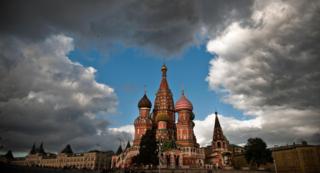
Twenty years after the fall of the Soviet Union, democracies need to develop a new model that fosters civic duty and responsibility in their citizens and takes a more global perspective on leadership in the modern world.
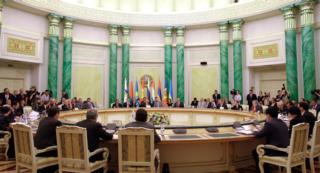
Twenty years after the Soviet collapse, leaders of the five Central Asian republics have built functioning states but they have yet to fully implement democratic reforms, decentralize and share power, and develop strong intraregional relations.
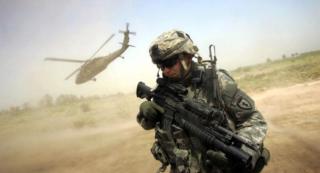
An international commitment to keep weapons of mass destruction out of Saddam Hussein’s hands could have worked and led to a WMD enforcement mechanism for use not only in Iraq, but also in North Korea, Libya, Syria, Iran, and elsewhere.
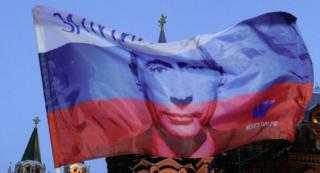
During his annual televised call-in show, Vladimir Putin proposed to reinstate the direct election of governors, which is perhaps the only serious political concession that he is offering.
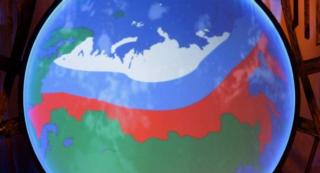
Eurasia today is much broader than two decades ago, but it is also more interconnected. In this new environment, Russia should define its post-imperial role in ways that are appropriate for the 21st century.

As Russians move toward the long New Year and Christmas holidays, they hope that the coming year will offer positive change.
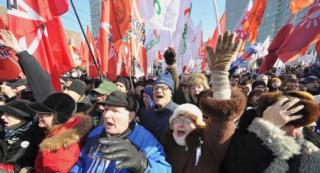
If the growing Russian popular movement remains committed and tenacious, organized political challenges to Vladimir Putin’s power will eventually follow.
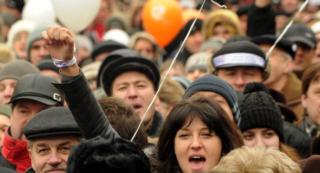
As popular pressure builds in Russia against the political status quo, it is increasingly clear that if the current opportunity to bring the authorities to a real dialogue is lost, Russia may have to wait another generation before another opportunity arises.