Carnegie Moscow Center

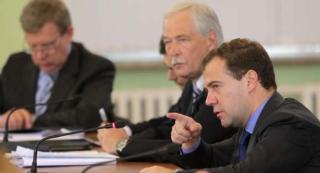
Instead of helping Russia to transform itself, the reset between Russia and the West ultimately serves to legitimize the Russian system of personalized power and enable the preservation of the status quo.
The recent U.S. midterm elections could mean delay or even reversal for the Obama administration’s foreign policy agenda toward Russia, particularly on issues like New START, the “123 agreement” on civilian nuclear cooperation, and trade relations.
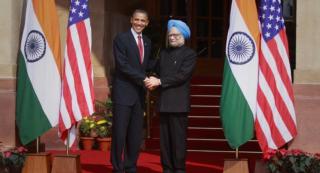
A strong U.S.-Indian partnership is in both countries’ strategic interest and both must make an effort to strengthen the relationship and foster India's continuing economic and political rise.
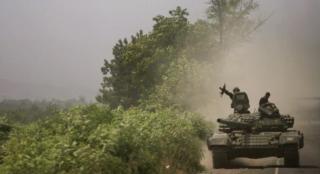
The ongoing conflicts in the Caucasus stem more from the way the region was managed under the Soviet system than from any ethnic incompatibility or ancient hatreds among its inhabitants.
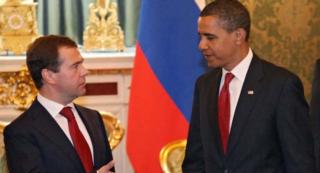
If the “reset” in U.S.-Russia relations does not help achieve a genuine movement towards Russia’s political liberalization, then it risks legitimizing the Kremlin's system of personalized power.
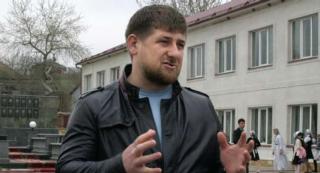
Russia’s North Caucasus is in the grip of a low-intensity civil war and Moscow’s current policy of building up Chechen leader Ramzan Kadyrov has not succeeded in preventing the spread of violence.
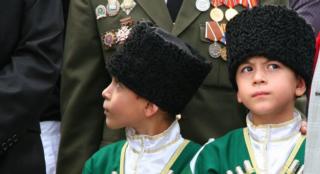
The inability of Armenia and Azerbaijan to find any common ground in their conflict over Nagorno Karabakh undermines the chance of peace in the region and, without more constructive international engagement, increases the risk of outright war.
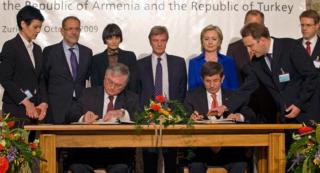
A revival of the Turkish-Armenian Protocols would benefit the entire region, but it will require increased effort to convince both the Turkish public and Azerbaijan to support the normalization process.
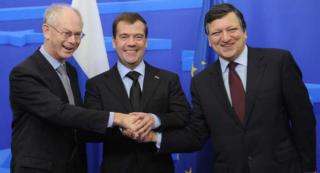
The recent summit between France, Germany, and Russia led to no major developments, but it laid the path toward further improving Russia’s relations with its neighbors and toward a serious discussion about creating a security community spanning North America, Europe, and Russia.
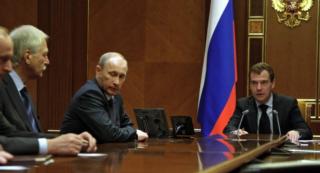
In spite of the tight administrative controls that the Kremlin used to influence the recent regional elections, United Russia may soon realize it needs to change its strategy and consider allowing greater diversity and political freedom.
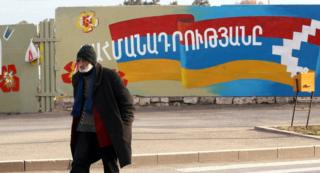
Diaspora Armenian politics are playing a significant role in holding up U.S. diplomatic nominations to the countries of the South Caucasus, which risks undermining U.S. engagement and influence throughout the region.
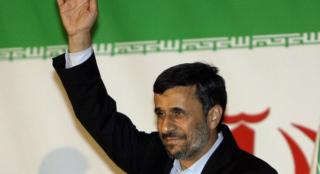
President Ahmadinejad’s meeting with the leader of Hezbollah is further evidence of Iran’s efforts to gain a foothold in the Middle East as one of the key regional players.
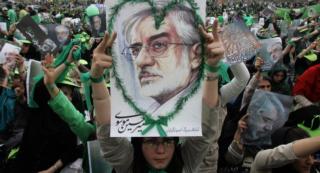
In order to convince Iran to use its eventual nuclear weapons arsenal only for deterrence and regional power politics, the Obama administration must work to empower the moderates in the Iranian leadership.
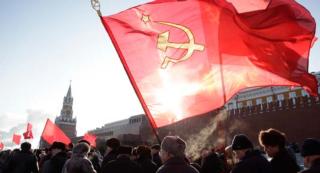
While no historical analogy is perfect, analysts looking to understand Iran’s character and predict its future trajectory can benefit from comparing the Islamic Republic to the Soviet Union.
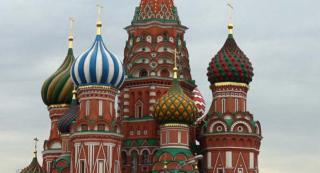
Moscow suffers from a number of fundamental problems that are beyond the ability of any single individual to fix and reform in Moscow would require profound changes to the entire country.
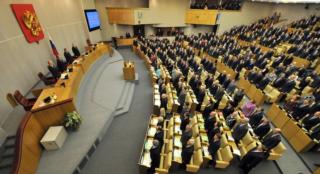
The series of United Russia interregional conferences are clearly part of a larger election campaign and will likely be used to help hasten early State Duma elections.
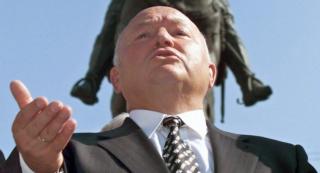
The dismissal of Moscow Mayor Luzhkov marks the end of a political era and may well be the last sharply competitive political struggle between rival camps under the ruling tandem.
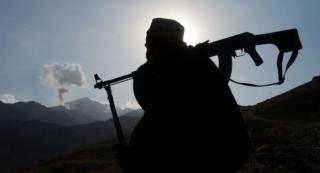
Radical Islamist groups have become significant political powers in many parts of the world and the West has yet to establish a strategy for building relations with them.
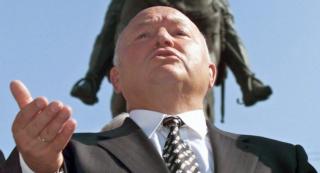
The dismissal of Moscow Mayor Yury Luzhkov by Russian President Dmitry Medvedev and the surrounding public speculation provide a glimpse inside Russia’s political system, its organization, and the people who inhabit it.
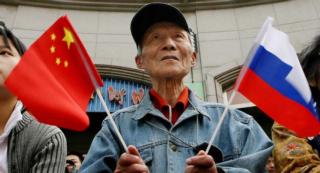
Good relations between Russia and China, promoted by economic and political cooperation, are one of the major and most valued aspects of Moscow's current foreign policy.