Carnegie Moscow Center

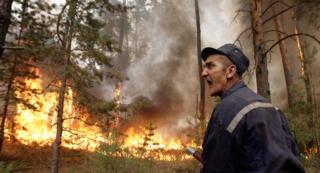
The Russian government’s poor response to the wildfires will further widen the chasm separating the nation’s authorities from society.
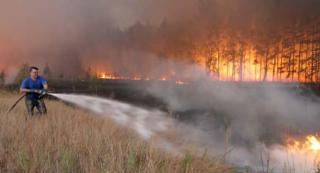
The inadequate response to Russia's forest fires illustrates Moscow’s inability to respond to large scale disasters and how Russia’s vertical power structure undermines the ability of local authorities to respond to crises.
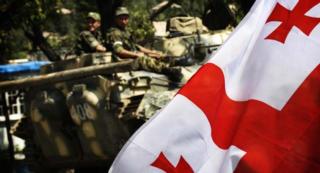
The Russian government should use soft power to win back sympathy from the Georgian population in preparation for the end of Georgian President Saakashvili’s term in office in 2013.

Recent rallies staged by a group called Strategy 31, demanding that the Kremlin respect the constitutional right of freedom of assembly, have demonstrated the Russian government’s discomfort with unsponsored political activism.
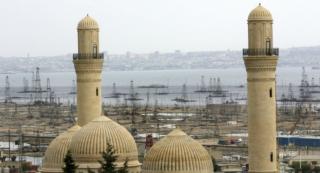
Two years since fighting broke out between Georgia and Russia, the situation in the separatist territories of Abkhazia and South Ossetia remains deadlocked and the current western policy of strong rhetorical support for the Georgian position substitutes easy words for hard diplomatic work.
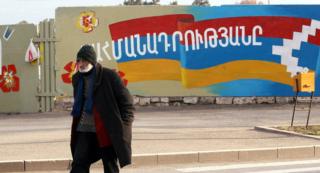
The international community cannot afford to let the unresolved dispute over Nagorno-Karabakh remain a low priority; a renewal of violence would impact not only Armenia and Azerbaijan, but also Georgia, Russia, Turkey, and Iran.
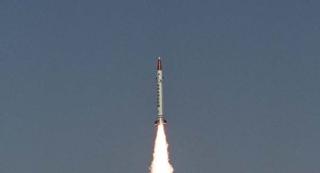
The New START is relatively modest in scope and should not be used as a stand-in for an ideological contest over arms control and nonproliferation.

While the Kremlin’s new ModernRussia web site is intended to provide a platform for news and feedback on investment opportunities in Russia, it is ultimately more about public relations than actually attracting investors.
Missile-defense cooperation would be a potential game changer in U.S.-Russian and NATO-Russian relations and a crucial step toward a sounder European security order.
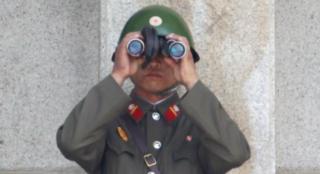
The recent UN Security Council statement, which condemns the attack on the South Korean patrol ship without naming a perpetrator, reflects the complicated reality of Beijing’s relations with North Korea.
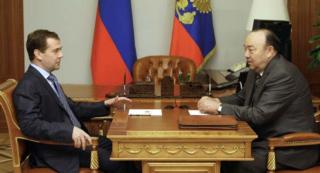
The departure of governors like Bashkortostan President Rakhimov is the result of a Kremlin operation which is replacing a generation of heavyweights by lesser-known officials with no interest in public politics. The Kremlin’s candidate to replace Rakhimov as president is Rustem Khamitov, a former Bashkortostan minister and chief federal inspector who then left the republic.
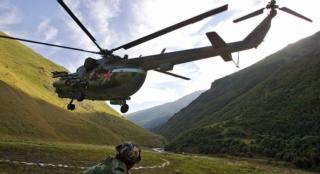
The North Caucasus remains one of the toughest challenges facing Russia today and the problems that have accumulated there over the past decades require an equally long and serious strategic approach to resolve.
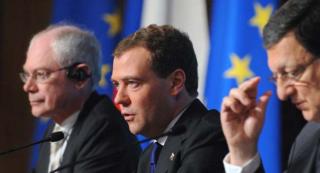
Most Russians view Europe in a very positive light. When they look at Europe, they still see primarily the nation states.
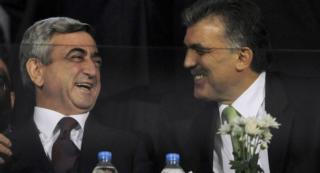
The bloodshed on the ceasefire line should focus minds and be a reminder that a new conflict over Nagorno-Karabakh would be catastrophic for everyone, not just Armenians and Azeris.
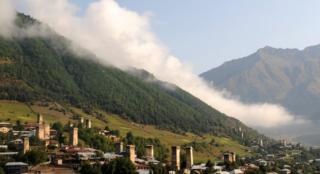
While Nagorno-Karabakh engages in the process of building a de facto state, hardening attitudes in Karabakh and Azerbaijan could lead to a war which would affect the entire South Caucasus, including Georgia, Iran, Russia, and Turkey.

At the 2010 St. Petersburg International Economic Forum, President Medvedev appealed to investors to put their money into the Russian economy. However, corruption continues to kill investor interest in Russia.
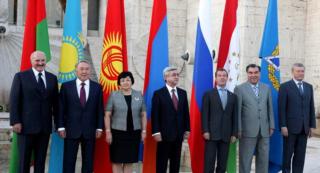
The recent violence in Kyrgyzstan demonstrated both the weaknesses of the Collective Security Treaty Organization (CSTO) and the important role a strengthened CSTO could have in Central Asia.
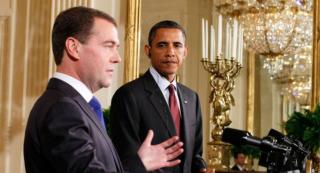
When he met with President Obama in Washington, Russian President Medvedev’s chief goals were to continue the trend of the reset in U.S.-Russian relations and to further his domestic modernization and economic development initiative.
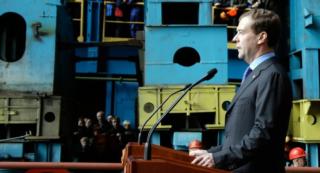
Modern Russian must overcome a number of internal and external pressures in the course of its struggle to determine its role in the changing global community.
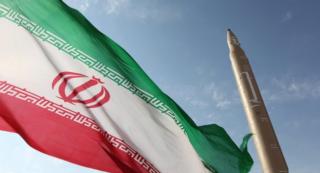
Three simple steps can help reassure the American people that their elected officials have their security interests foremost in mind as they debate the merits of the new START and set high standards for future U.S. policy and treaty deliberations.