Carnegie Moscow Center

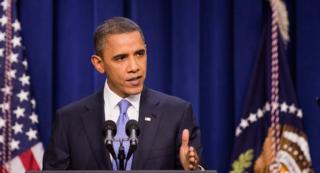
Despite the complexities involved, the new START treaty should be signed by spring 2010. The main stumbling block is that the United States prioritizes a regime of transparency, whereas Russia demands a reduction of strategic weapons.
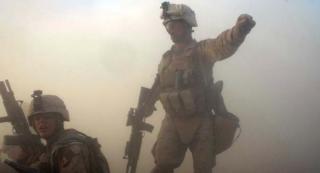
While the U.S.-led NATO operations in Afghanistan have resulted in somewhat enhanced security capacity for Central Asian countries, their long-term security challenges seem to be increasing, given the current situation in Afghanistan and the growing instability of Pakistan.
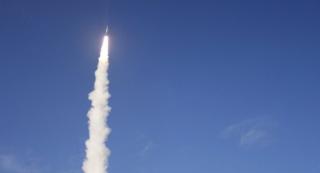
U.S. plans to build a global missile defense system have caused consternation in Moscow, where a potential U.S. first-strike capability is still viewed as the most serious external military threat to Russia.
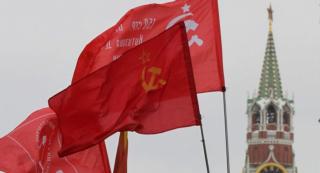
The Russian perception of Stalin and his crimes has more to do with the nature of Russian statehood than with the monstrous actions of the man himself.
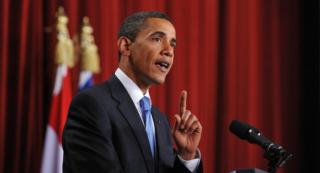
On the anniversary of President Obama’s election, relations with Russia have become a bright spot among the president’s ambitious foreign policy efforts, while other central international goals remain unachieved.
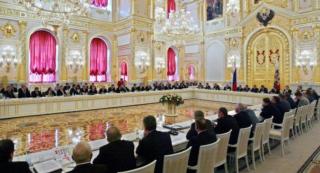
A new system has been implemented for naming the candidate for a gubernatorial post in Russia; the fate of 10 percent of the governors hangs in the balance.
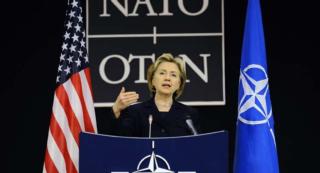
The West and Russia need to embark on a long and potentially rocky path toward creating a security community in Europe that would include both NATO members and nonmembers.
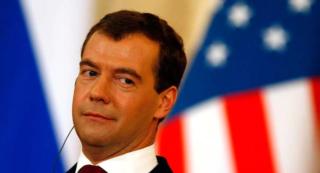
By embracing a soft power foreign policy fueled by a new focus on economic, intellectual and social renewal, Russia can emerge as a serious and indispensable global actor.
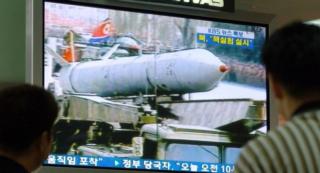
U.S. ratification of the Comprehensive Test Ban Treaty will enhance global security and provide greater leverage over states like Iran and North Korea that are unwilling to play by the rules.
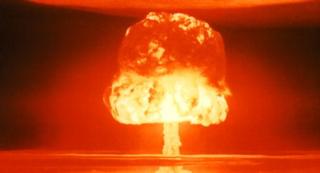
Universal ratification of the CTBT will create another tool for impeding Iran's nuclear ambitions, but the United States must take the lead.
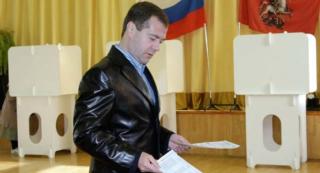
Municipal elections held in Russia on October 11 proved that most Russian voters seem to feel that elections have no direct bearing on their lives and that the authorities feel no impetus to institute change in the current Russian party system.
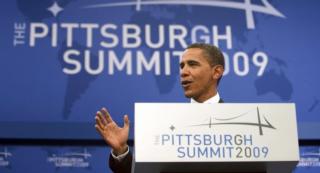
The key to success in the security field is not a combination of individual players like the G20, but rather sustainable joint leadership working together in tailor-made coalitions.
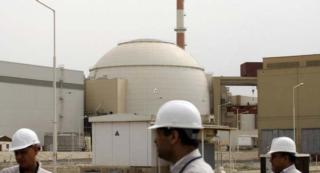
The United States and Russia need a coordinated approach to Iranian nuclear ambitions, where sanctions and opportunities become incentives pushing and pulling Iran toward a solution beneficial for both global security and Iran’s national interest.

Under Russian President Medvedev, the Kremlin’s efforts to develop and execute concrete solutions to Russia’s many challenges have been replaced by a constant stream of polemical sound bites and vague slogans.
Russia retains interests throughout the post-Soviet regions, but Moscow’s considerable influence is no longer dominant.
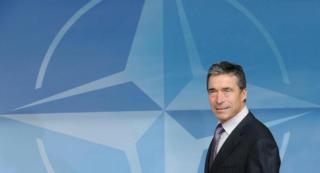
When Anders Fogh Rasmussen, NATO's secretary-general, addresses an audience at Carnegie Europe on Friday, 18th September, he will speak about the possibility of a new dialogue between two former foes – NATO and Russia. Dmitri Trenin suggests that these discussions could initially take place through the NATO-Russia Council of 2002, but in time, that they might spawn a new framework altogether.

Scientific and technological progress will not, on their own, lead to improvements in the political realm. The economy cannot be effective if the political system is insufficiently free.
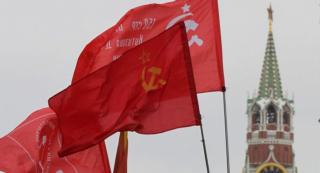
Stalin’s growing popularity in Russia is less a function of an organized state propaganda effort to promote him than it is a result of the government’s lack of interest in setting the historical record straight on Stalin. Attention is increasingly focused on the greatness of the country and its achievements under Stalin’s rule.
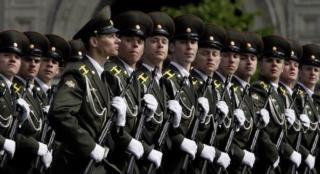
Tensions over Europe’s troubled past have increased with the approach of the 70th anniversary of the start of WWII. Prime Minister Putin’s upcoming visit to Poland can help turn a new page in history.
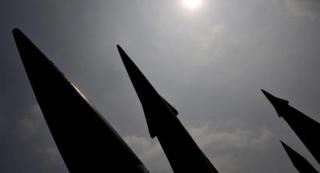
Nuclear-weapon states should commission their defense ministries and think tanks to perform serious analysis on the practical steps of moving towards zero nuclear weapons.