Carnegie Moscow Center


Implementing sensitive reforms in the run-up to Ukraine's parliamentary elections in October will be politically difficult.

While NATO can extend the status quo in the short term, it cannot postpone resolving its defense and deterrence dilemmas without undermining Alliance confidence and cohesion.
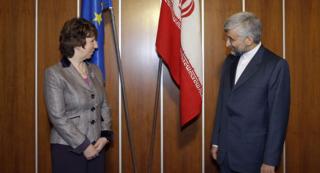
Though the participants in the negotiations about Iran's nuclear program foresee several rounds of discussions, all are acutely aware that time to reach agreement peacefully may be running out.
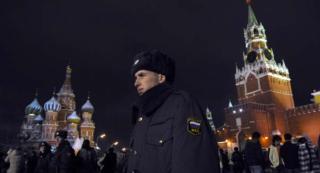
The chief goals of U.S.-Russian relations should be developing engagement, building trust, and transforming the nature of the strategic relationship.

North Korea plans to use long-range missile technology to launch a satellite later this month despite international condemnation. There are also troubling signs that the isolated country is preparing for a third nuclear test.
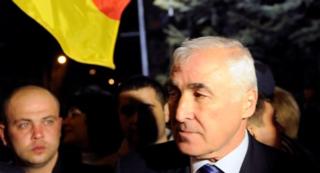
The voting results of the South Ossetian presidential election reflect the maturity of society in this republic.
In spite of the fact that the pace of political reform in Russian is slowing, the political elites in many Russian regions have already started preparations for the reinstatement of direct elections of governors and mayors.
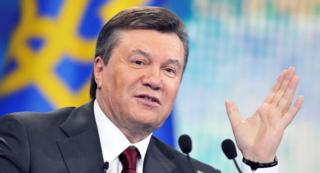
While the Yanukovych government has managed to initiate a number of economic reforms, they were implemented only partially and their success has been limited.
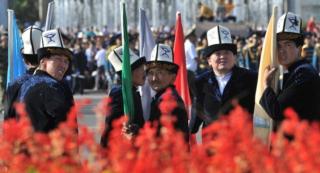
Independent Kyrgyzstan is unique in its recent political history. Over the last two years this country has functioned under a non-authoritarian system and has started moving in a different direction from its Central Asian neighbors.
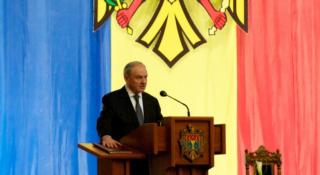
After a long waiting period, Moldova’s political stalemate has ended and the country’s integration with Europe is once again pressing onward.
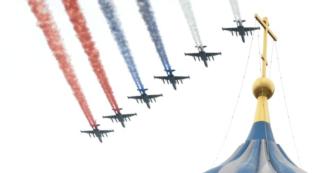
An inclusive security community in the Euro-Atlantic and stable peace in the region depends on a positive transformation of U.S.-Russian relations and historical reconciliation between Russia and a number of countries in Central and Eastern Europe.

With anxieties over the nuclear activities of North Korea and Iran looming large, heads of state from 53 countries convened in Seoul this week to reaffirm and intensify their commitment to prevent nuclear materials from getting into the hands of terrorists.
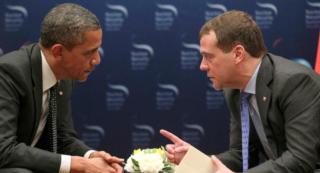
As the U.S. primaries and elections continue, the candidates should consider laying some groundwork now for a Russia policy robust enough to bear the weight of concrete U.S. interests that depend on cooperation with Moscow.

As Italian and Spanish spreads on government bonds decline, Europeans are breathing a big sigh of relief. But true recovery requires big structural shifts that will take many years.
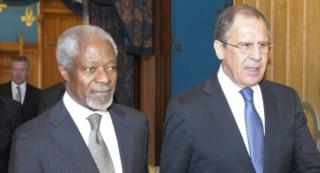
UN-Arab League envoy Kofi Annan is most likely looking to persuade Syria’s Bashar al-Assad to leave power and prevent a collapse of the Syrian state and civil war.
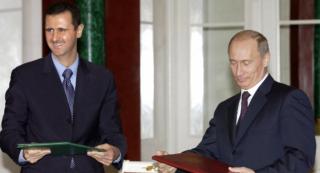
Russia’s intransigence in the face of intense international pressure to halt the violence in Syria is confusing to much of the world, but there are real Russian financial and strategic interests at stake over Syria.

The election of Nicolae Timofti as Moldova’s president confirmed that the country’s new leader had to come from outside the current Moldovan political elite.
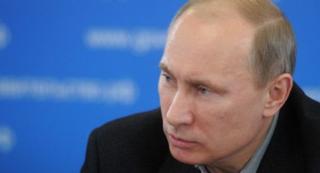
In the aftermath of the presidential elections, Putin’s uncertain political position and weakened political strength may prove both a domestic and international limitation.
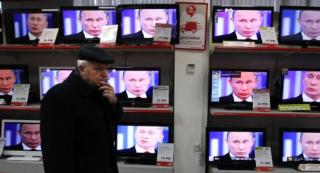
Putin's economic agenda offers only more of the same heavy-handed policies that have failed to modernize Russia and made the country more vulnerable to external shocks.

Restoration of a Congress-Duma track can send a clear message to Moscow that further improvements in the bilateral relations require progress on the issues of human rights and the rule of law.