Carnegie Moscow Center

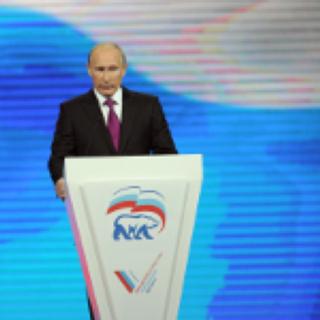
When Vladimir Putin reclaims Russia’s helm in 2012, he will have to manage an economy that has lost its momentum and is approaching stagnation. Falling oil and gas revenues will only make his job more challenging.
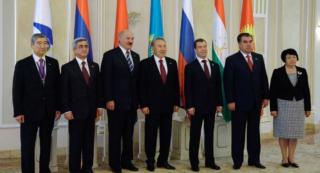
Vladimir Putin’s plans to create an economically integrated Eurasian Union could give Russia an opportunity to become a real regional leader, so long as Eurasian economic is voluntary and Moscow’s partners do not see the process as an attempt at political domination.
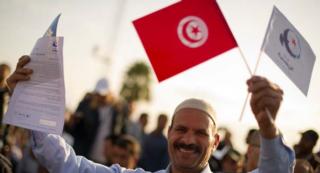
By holding largely peaceful elections just ten months after the fall of its long-time dictator, the country credited with sparking the waves of protest that swept the Arab world is serving as an example to the rest of the region.
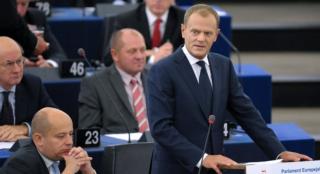
Poland, a non-eurozone member holding the rotating EU presidency for the first time, faces difficulty pushing ahead its agenda because of the eurozone crisis. The crisis also risks diminishing the successes the Polish presidency has achieved thus far.
Two decades after the collapse of the Soviet Union, the West has yet to adjust to the post-Soviet reality and Russia has not settled on its relationship with the rest of the world.
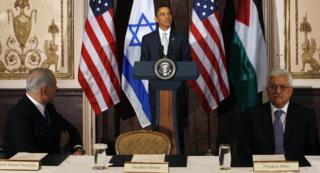
A settlement of the Israeli-Palestinian conflict is unlikely in the near term; instead, the world is likely to see, at best, conflict management rather than conflict resolution in the near future.
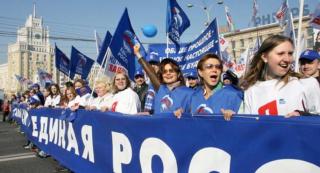
In response to United Russia’s declining popularity, the Kremlin is trying to dump all of the party’s political dead weight and pushing more support to its remaining assets, rather than forming a coalition with its junior political partners.
Countries have good reasons to become actively involved in developing effective climate policies, since underestimating global trends could significantly affect their economic competitiveness.
An economic crisis comparable in size and virulence to the Lehman Brothers episode could erupt if Italy and Spain lose their ability to borrow. The G20 must act now to stabilize the eurozone.
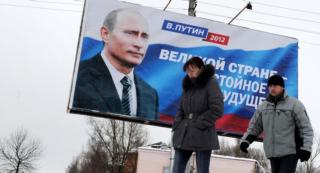
Internal and external pressures seem to have triggered a radical readjustment in the Kremlin’s pre-election planning, with potentially long-lasting consequences.
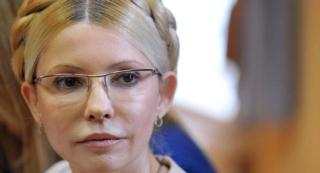
If Kyiv does not reconsider its course on the political trial and verdict of Yulia Tymoshenko, it could mean an end to Ukraine's possibilities of deeper integration with the EU.
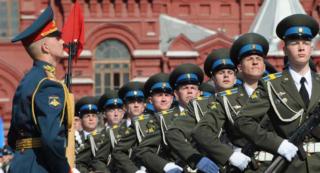
Russia is no longer an empire, but it is not yet a nation-state either. To be seen as a great power in the twenty-first century, it has to reform its institutions and economy and become a great country.
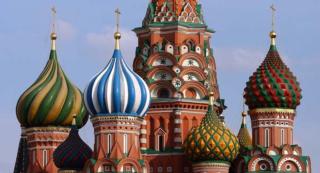
While Russia is still an important global strategic player, thanks to its oil and gas reserves and nuclear arsenal, it lacks the will and the resources to enact a return to the Russian empire.
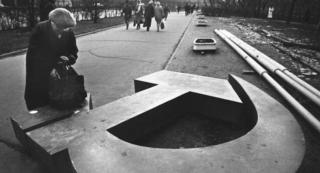
Mikhail Gorbachev reflects on the fall of the Soviet Union, U.S. actions in the last twenty years, and Putin and Medvedev’s roles in Russia today.
Russian authorities are preparing for a possible new economic crisis and social unrest by expanding the powers of the state security instead of enacting political reforms.
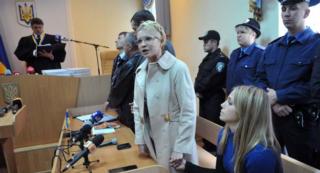
The harsh verdict for former Ukrainian Prime Minister Yulia Tymoshenko demonstrates that Ukraine’s leadership prioritizes removing the opposition’s strongest candidate before parliamentary elections above good relations with the West.
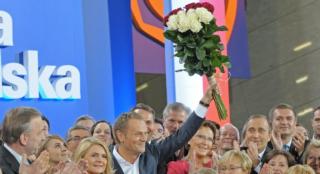
Poland’s relatively successful foreign policy contributed to the popularity of the ruling Civic Platform party and helped it win the country’s parliamentary elections. Given these election results, the Polish foreign policy is not likely to change.
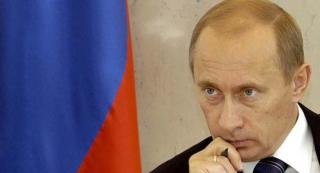
The plans of Russia’s ruling elite, headed by Prime Minister Vladimir Putin, to retain power face increasing challenges from a crumbling infrastructure, economic stagnation, and growing social unrest.
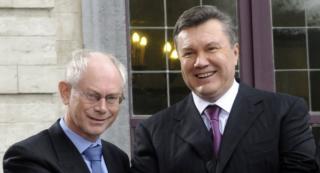
While the Eastern Partnership summit is unlikely to deliver many positive results, there are still important lessons that leaders from both sides can take away from the summit.
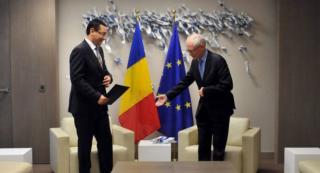
The European Union has an opportunity to make a significant difference in their eastern borderlands, through a combination of social, economic, and political incentives.