Carnegie Moscow Center

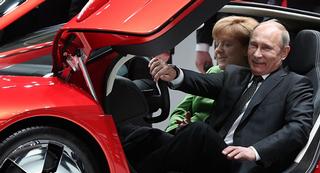
Russia’s new relationship with the EU could be that of a hybrid vehicle that can run either off the old internal combustion model of East-West geopolitical division or off the new system of global, regional, and sub-regional regimes that preserve and expand the “shared spaces” of Russia and Europe.

Sociological research shows that up to two-thirds of the population supports changes in Russia. But they are not necessarily the kind of changes that the democratic community likes to discuss, and the majority of those polled have no understanding of how their desired changes might come about.
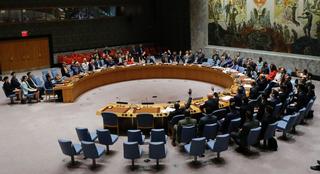
Recent US sanctions against China and Russia are signs of the Trump administration’s toughening approach to North Korea. Ironically, these sanctions come on the heels of a UN Security Council resolution imposing new measures against North Korea that the US, China and Russia voted in favor of.

Is opposition leader Alexei Navalny a “Kremlin project,” a “future tyrant,” or “Russia’s only hope?” Conversations about Navalny often proceed along these moral lines, though it is Navalny’s practicality—especially in the technological realm—that has been the driving force of his popularity.
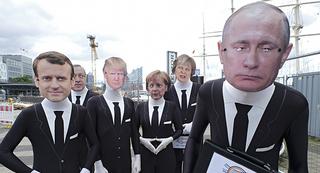
Russians have become skeptical about a truly global order. At best, interactions with Western countries will be transactional, based on national interests when those happen to coincide or come close.

The high-profile trial of former Russian economy minister Alexei Ulyukayev is not playing out according to the script that most analysts had expected. The prosecution’s case increasingly relies on the testimony of one man, state oil chief Igor Sechin, making this master of Kremlin intrigue potentially politically vulnerable.
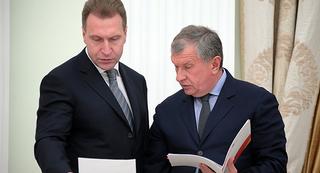
Putin has embraced patriotism and Eurasianism, but Russia must soon confront economic, security, and demographic headwinds, as well as the imperative of reform.
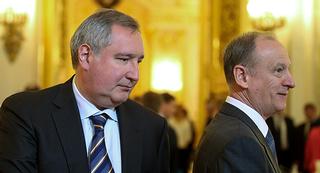
Putin directs a foreign policy devoted to the concept of Russia as a great power. Even if he steps down as president in 2024, Putin will likely continue as Russia’s primary leader for years to come.

China’s brief ban on social media posts mentioning Putin sheds light not only on Chinese Internet regulation but also on broader elements of Xi Jinping’s political system.
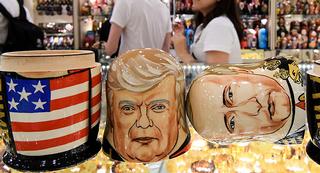
Russia’s foreign policy priorities in the coming years hinge upon solidifying Russia’s great power status outside the post-Soviet space as well as reducing the country’s political isolation.
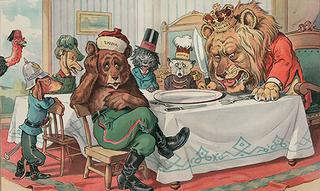
The latest U.S. sanctions on Moscow and the expulsion of U.S. diplomats from Russia are not only hurting relations with Russia but also causing divisions between Western politicians.
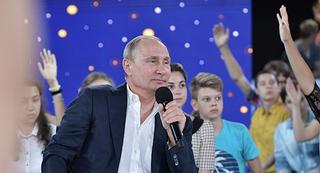
Vladimir Putin’s recent conversations with “ordinary Russians” are not an attempt to engage in direct democracy. Rather, they are intended to present the president with a new, artificial image of the Russian people; Kremlin officials are manufacturing conversations in which ordinary Russians are shown to be concerned with the same issues as their president.
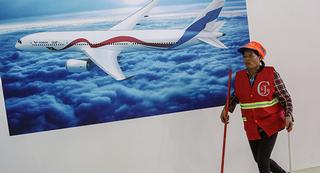
Considering the close attention that Vladimir Putin and Xi Jinping are paying to their countries’ joint jumbo jet project, it is clearly political. Russia and China have grand ambitions: they want their own civil aviation industries to be on a par with those of industry leaders like the United States and France. Moscow and Beijing are willing to team up for the sake of these ambitions, since neither can catch up to Boeing or Airbus on its own.
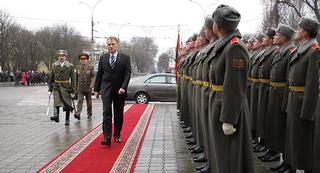
Former president Yevgeny Shevchuk’s flight from Tiraspol may signal the culmination of Sheriff’s consolidation of power in Transdniestria, giving the country’s leaders a chance to devise a strategic development program for the first time in twenty years.
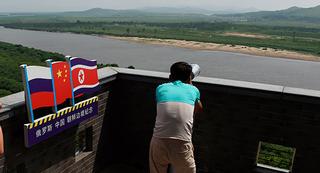
In order to force Pyongyang to abandon its nuclear and missiles programs, the international community has imposed a set of tough economic sanctions. Do they work? And what Moscow thinks about them?
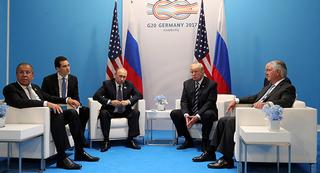
The Russian president’s decision to cull 755 U.S. Embassy employees was not the act of a man ready to give up on relations with the United States.
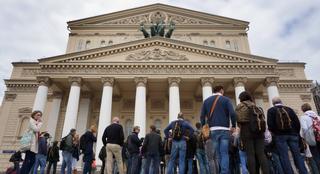
The cancellation of a controversial ballet at Russia’s premiere theater holds dark clues as to where the country could be headed after Putin.
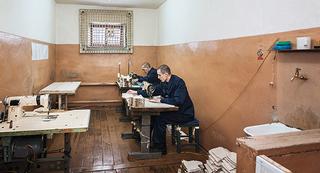
When the state has mineral resources, it hires a company like Royal Dutch Shell to extract the oil and share the profits. But when it has an abundant supply of labor, it turns a blind eye to its resources being used in tolling schemes right out of the 1990s. The existing penitentiary system is not in the interests of the state or the prisoners.
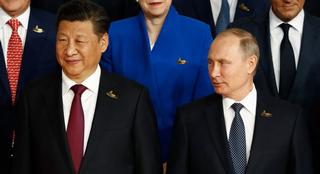
Mr Putin and Mr Xi have found an unlikely ally in Mr Trump. The latter’s clumsy approach to foreign policy and fractious relations with long-time allies leave the west poorly equipped to push back.
The demise of pragmatic politics will only amplify discontent with the regime and benefit populist opposition politicians. The public will no longer tolerate the regime’s strategy of tackling material problems with spiritual discourse, and will demand immediate practical solutions. As public discontent with the old regime grows stronger, new politicians will have an easy time promising quick material gains.