Carnegie Moscow Center

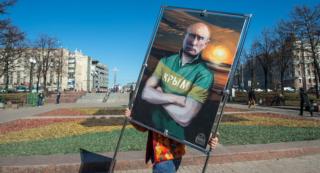
The system, its leader, and the popular majority formed after Crimea will survive the 2018 presidential election. The existing regime is incapable of democratization. At the same time, it is dangerous to ratchet up repression. The government is trying to encourage inertia, but this is becoming increasingly difficult after Crimea, Donbas, Syria, and Turkey. Aggression is self-perpetuating.
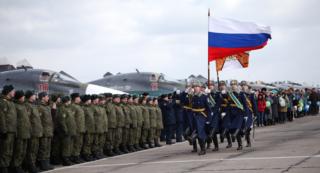
Russian television has thrived for months on a diet of victories in Syria. Now that the time has come to spin the news of a withdrawal, the argument is being deployed that it is best to avoid a second Afghanistan. Better still, the exit is being presented as another case of Russia outsmarting the United States.
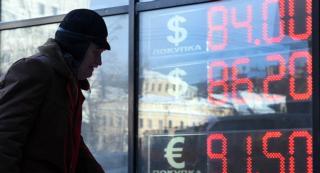
Whether Russia’s foreign policy achieves its objectives depends primarily on the success or failure of the country’s economic relaunch.
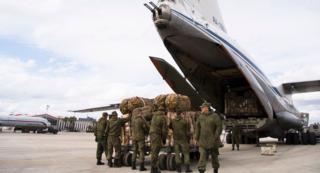
President Putin’s announcement that he is pulling back from Syria should not have come as a big surprise. He believes he has met most of his goals there—many of which have nothing to do with Syria itself. Russia has found a way back to the table where the world’s board of directors sits and resolves regional conflicts together.
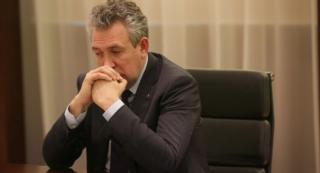
The appointment of a new head to Russia’s development bank VEB is an example of a new technocratic shift to deal with the economic crisis. These technocrats are generally proxies for powerful figures in the elite. Eventually, they could become an elite of their own.
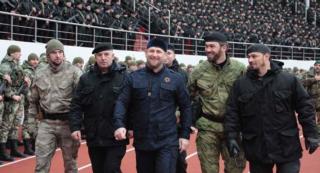
Putin has little choice but to ask Ramzan Kadyrov to remain as head of the Chechen Republic. But doing so will reveal how indispensable Kadyrov is to the Kremlin and betray Putin’s weaknesses in Chechnya.
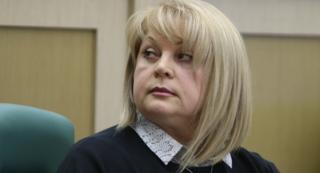
Numerous clever tricks and a slew of political parties loyal to Russia’s government now ensure the “right” election result long before any votes are cast. And this means that the election count can be shown to be fair, and at the same time managed by individuals who are widely trusted and respected.
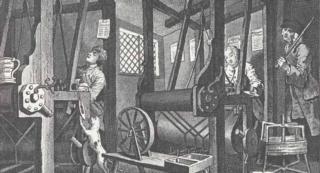
Lack of investment, a deficit of trust of the private sector in the government, and a drain of migrant workers and professionals make it much harder for Russia to recover from its current economic malaise.
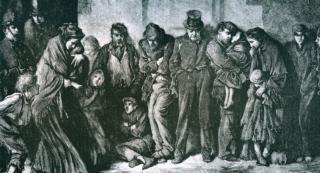
Over the last decade and a half, the Russian economy has undergone a classical resource cycle, and now it lacks both the capacity and the momentum for new growth. But the wealth accumulated in the boom years will insulate the country against a crash for at least three years.

Thus far, the Russian government has been able to quell popular discontent over the ongoing economic crisis. But time is running short: in a year and a half to two years, the Kremlin will have a real crisis on its hands.
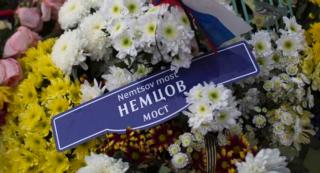
The assassination one year ago of the man who was once Russia’s brightest liberal hope did not, as many wished, change the course of the country’s politics. But it did mark a moment of irreversible change for the country’s liberal minority.
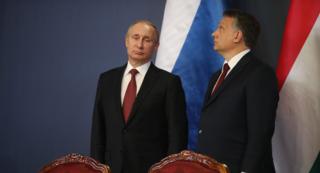
The Hungarian prime minister’s trip to Moscow was short on substance—despite loud declarations to the contrary. Even a risk-taker like Viktor Orban cannot afford to abandon the West to make separate deals with Russia.
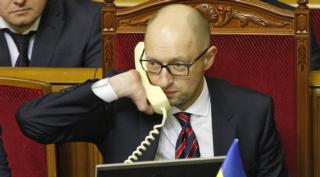
Ukraine’s Prime Minister Arseniy Yatsenyuk has been under pressure to resign, but unexpectedly lived to fight another day after a parliamentary vote of no-confidence against him failed. What lies behind his political survival?
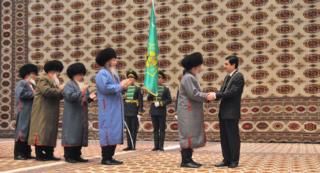
Russia and Turkmenistan have a new set of issues to tackle: Russian military activities in the Caspian Sea and problems along the Afghan border have joined natural gas contract negotiations and the status of ethnic Russians in Turkmenistan atop the countries’ bilateral agenda.
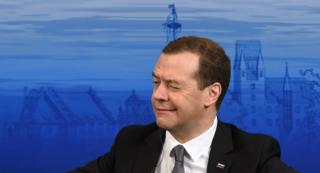
Speaking in Munich, Medvedev diagnosed an ongoing slide into a new Cold War and, accordingly, an increase of dangers—both from a potential direct clash between Russia and the United States/NATO and from their inability to cooperate to fight extremism.
Serious economic reforms cannot be implemented unless Russia’s political atmosphere and institutions grow more supportive of individual freedom.
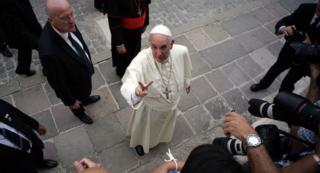
The Western political establishment is hostile to Russia. This makes it all the more important to demonstrate that the Western religious establishment is more sympathetic. Regardless of Putin’s aims, the meeting between Pope and Patriarch has become a landmark event in the history of Christianity.
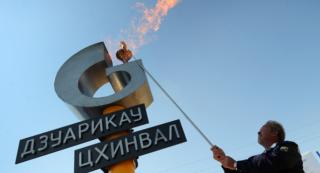
With parliamentary elections slated for the fall, Georgia’s ruling party is hoping that low energy prices will ensure victory at the polls. Once relatively independent of Gazprom, the government in Tbilisi is weighing importing natural gas from the Russian energy giant
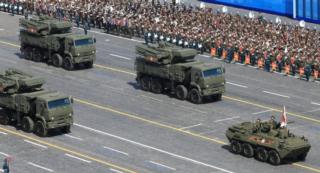
Russian President Vladimir Putin has repeatedly accused the United States of upsetting the strategic nuclear balance by deploying a missile defense system in Europe, but closer examination of the facts reveals a more complex picture.
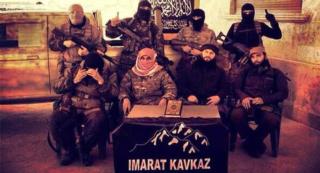
The North Caucasus Islamists’ wish to join ISIS makes some sense. By joining, they would cast themselves not just as regional players but worldwide jihadists. The relations between ISIS and the Caucasus Emirate, however, have been fraught with difficulties.