Carnegie Moscow Center

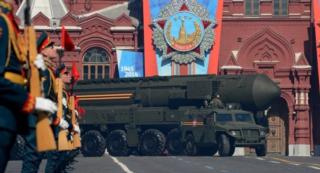
Those fearing a repeat of the Cold War should understand that the current situation may be worse than the Cold War in some respects.
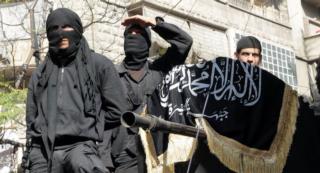
Syrian jihad will not be replicated by Central Asian combatants returning home, but fundamentalist ideals are long-established in this region and will not go away.
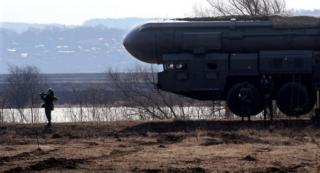
It is extremely difficult to predict the prospects for new comprehensive agreements on nuclear threat reduction in the midst of the current international crisis. But crises do not last forever, and there may come a time when all of the facets of the unique Nunn-Lugar program will be deemed useful.

Israel’s interests in the Caucasus have three principal dimensions: strategically, as a means of encircling Iran; in the mid-term, as a zone of energy supplies; and in a short-term, as a market for selling high tech arms and ammunition.

Eight months of continuous presidential vacuum is bad news for the future of Lebanon’s democracy and stability.
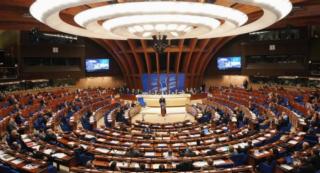
If Russia follows through with its threats to leave the Council, though, how will its place in the world be impacted? What would that decision's ramifications be for normal Russians? We asked Carnegie's experts to share their thoughts.
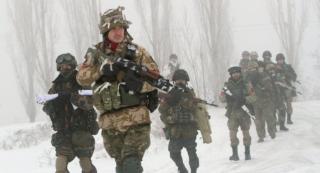
Sending weapons to Ukraine could prolong the country’s agony and distract it from the vital task of reconstruction.
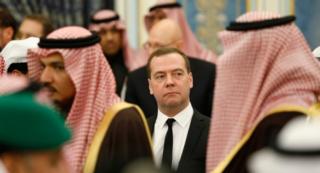
Currently, Russia and Saudi Arabia are neither friends nor foes, and the status of bilateral relations and their future remain obscure. This, in turn, is clearly reflected in the polyphony of views on Saudi Arabia existing in Russian society.

Over the past few years, India has been paying increasing attention to the threats of crime, terrorism, and espionage in cyberspace.

While dreadful news continues to pour out of Ukraine and the Middle East, East Asia appears to have found an equilibrium—at least for the time being.

Recently the normalization of Turkish-Armenian relations has drawn the attention of both Turkish and world media. However, current activities around the “Armenian question” failed to create solid ground for real compromise between the two states.

The political fallout of the horrible murders in Gyumri will not result in a strategic re-orientation by Armenia away from Russia. However, it will undermine public support for Armenian President Serzh Sargsyan and his government.
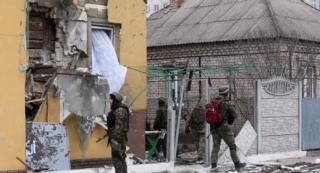
This past weekend’s intensified fighting and shelling in southeastern Ukraine, from Donetsk to Mariupol, escalated the Ukraine crisis to a new level. As more people die, political negotiations and eventual diplomatic compromise look less and less likely. What, under these circumstances, does the future hold for Donbas?
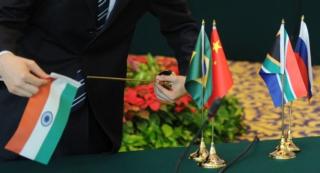
By hosting the seventh summit of the BRICS group, Vladimir Putin will demonstrate to the Russian people and the world that his country is anything but isolated.
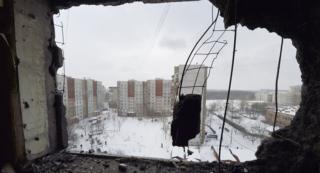
After the weekend shelling of Mariupol and the loss of so many lives, the Ukrainian president may have no political choice but to mount a serious military response.
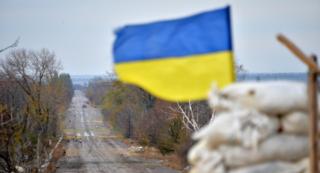
As unsavory as it sounds, Obama may need to press for a diplomatic solution with Putin.

Russia’s purpose in arranging the meeting between representatives of the Assad regime and its opponents is to promote the idea that Syrian reconciliation can be achieved through dialogue between all non-extremist Syrian groups and without involvement from outside.
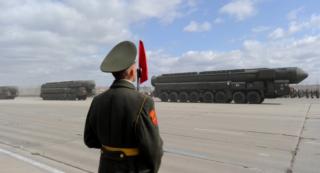
Some experts’ concern that the amended version of the Russian military doctrine would significantly alter conditions for nuclear weapons’ use in the context of the Ukraine crisis and the resulting sharp escalation of the military and political situation has turned out to be premature.
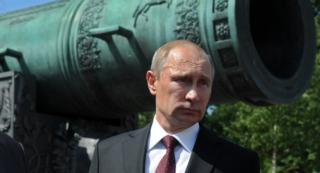
The year 2014 ended the period of cooperation between Russia and the West. A new period has begun, marked by rivalry and competition. At the same time, Russia has been seeking ways to strengthen ties with leading non-Western powers.
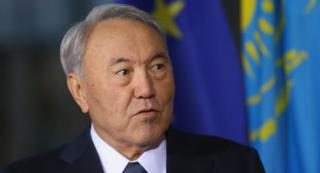
Kazakh President Nursultan Nazarbayev has managed to use the Ukraine crisis as a sort of stepping stone to elevate his international profile and Kazakhstan’s geopolitical status.