Carnegie Moscow Center


The shooting down of an Armenian helicopter on the ceasefire line of the Nagorno-Karabakh conflict zone is the worst incident of its kind in over 20 years.
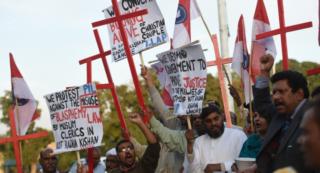
Pakistani religious minorities live in fear. This fear can only abate through the Pakistani government’s consistent and tough policies directed at the softening of the blasphemy law and cracking down on any attempts of vigilante justice.
In recent years the nature of Russian-Turkish relationship has proved to be nuanced. For Moscow and Ankara it is important to separate cooperative wheat from antagonizing chaff.

The ethno-religious tensions in Russia have subsided a bit in 2014, because the Ukrainian conflict has shifted the xenophobic sentiments from an internal to an external adversary. However, this shift does not eliminate xenophobia altogether—on the contrary, overall aggressiveness is on the rise.
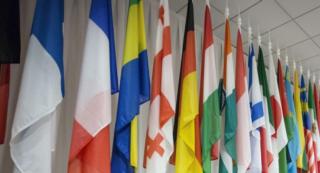
Over the next few years, the European Union will have to revamp its neighborhood policies completely. The ambition is not only to prevent state failure, but to help build functional political systems that can strive economically, provide essential services, guard individual freedoms, and maintain social peace.
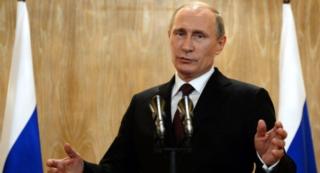
Putin’s statements on weapons of mass destruction at the Valdai forum may have been just a tactical move to offset his harsh criticism of the United States. But it may well be an invitation to a serious discussion with Washington.
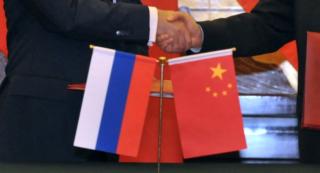
For Russia, the upcoming APEC Summit is seen primarily as an opportunity to attend important, bilateral meetings, not to talk about common issues in the Asia-Pacific.

The unity of the Georgian Dream coalition has ended and the next election has already begun, only two years after the previous one. A break-up of this big coalition was inevitable; the only surprise is that it has happened so soon.

Ukraine is not a cause, but a symbol of the serious and deepening crisis between the United States with its allies and Russia. As this crisis may become a permanent state, it is time for permanent crisis management.
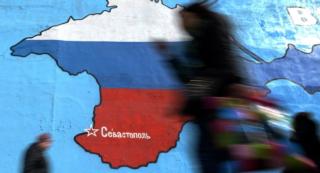
Russia’s anti-western sentiment runs deeper than just the regime’s manipulation of public opinion. Russia will only be able to move forward and become a successful member of the globalized world by resolving its deeply buried existential crisis.
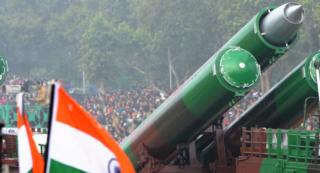
China and India would definitely want to know if Russia is really so afraid of the missiles they are developing that is ready to abandon the INF Treaty.
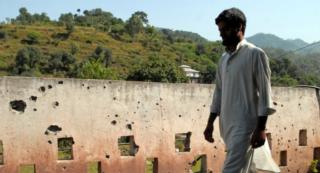
Russia certainly seeks to further its strategic partnership with India and to continue to develop its relations with Pakistan. However, its moves will face growing mistrust in New Delhi and Islamabad if Moscow remains silent on South Asia’s hot-button issues.
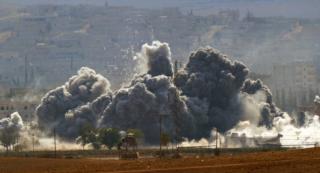
In isolation, Turkey’s actions in Iraq and Syria appear strategically myopic and potentially self-defeating, but they do accept that even an assured victory against ISIS irregulars could end up empowering the same regime Ankara has pledged to remove from power.

The situation in Russia’s Muslim community is generally stable. However, the economic crisis creates fertile soil for the growth of Islamic radicalism, for which the country should be prepared.
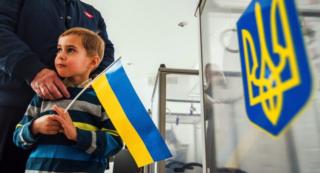
The Ukrainian government retains the prerogative to exclude violators of public trust from further government service while new political and economic institutions are built. It remains to be seen how lustration and anti-corruption laws will be implemented.

Russia, while a truly independent player, is not an equal of the world’s high and mighty. However, Putin has a chance to elevate Russia. He should use his immense political capital to embark on the hard path of modern nation-building.
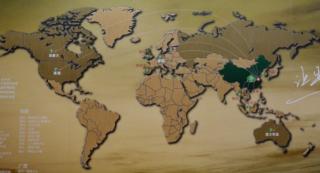
Regionalization may indeed be the future or at least the new stage of globalization. Competition among the super-regions, in this scenario, will become the essence of global geoeconomics and geopolitics.

Over a few months the Islamic State has asserted itself as the strongest—militarily and politically—extremist organization in the Middle East. Russia must develop a policy to deal with the Islamic State.
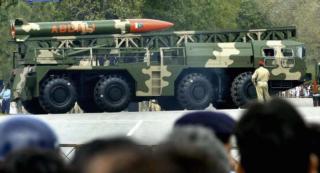
South Asia is more vulnerable to a possible nuclear conflict than any other region. It is necessary to take a number of urgent steps to stabilize relations between India and Pakistan and prevent a nuclear threat.
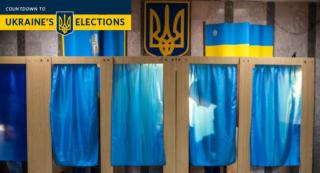
Sunday’s parliamentary elections in Ukraine have made it clear that Ukraine’s political life is quite diverse, and voters are not partial to “united” solutions. A lower turnout also suggests that Ukrainians are increasingly tired of their politics.