Carnegie Moscow Center

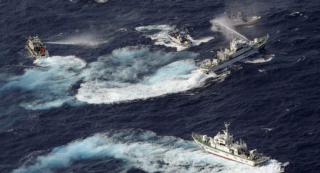
An important obstacle to the escalation of tensions in the Asia-Pacific region is the position of third-party countries, including Russia, which is interested in developing relations with China and also its neighbors.
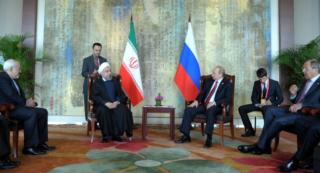
The fundamental dilemma of Moscow’s policy lies in whether it is worth cooperating to achieve a comprehensive agreement with Iran, which would primarily be a success for the United States, under conditions of confrontation with the West over Ukraine.
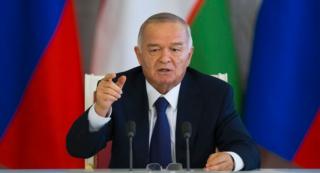
Though it is still too early to talk about the chances specific candidates have of replacing Uzbekistan’s President Islam Karimov, it is important to look closely at the current ruling elite and the president’s possible successors to see where the country might be heading.
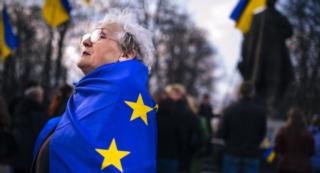
Ukraine is certainly a different country compared to seven months ago. The challenges of implementing the EU Association Agreement that it signed on June 27 are still tremendous, though. Reform, management of expectations, and reality is what is needed now.
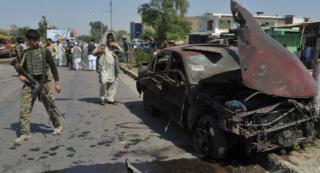
The problems arising across the globe from militant radical Islam cannot be dealt with at a later date. Russia and the West have vital mutual interests, since they share this common enemy. Given the extent of its involvement, Russia should take the initiative.
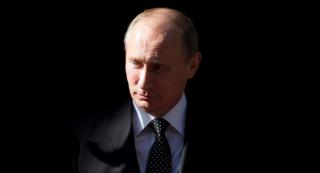
The Ukraine crisis is testing the complex relationship between Europe, America, and Russia. Yet the gap between the United States and its European allies, as far as policies toward Russia are concerned, is wide and deep.

Vladimir Putin's trip to Latin America is aimed to demonstrate several things, both geopolitically and economically. Latin America will undoubtedly add to the agenda of U.S.-Russian relations.
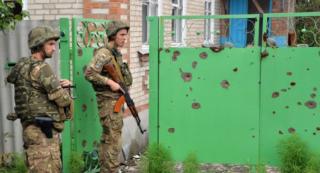
Allowing Kiev to restore the country’s territorial integrity is the best way to bring real peace to Ukraine. At the same time, pressuring Kiev to declare a new ceasefire that will give the rebels another break will only prolong the conflict.
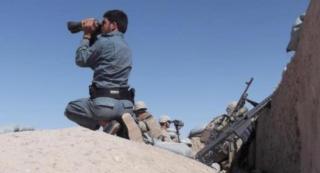
Some say the chaos in western Iraq is foreshadowing of what awaits post-2014 Afghanistan. But Kabul knows its vulnerabilities and will not shun outside help.
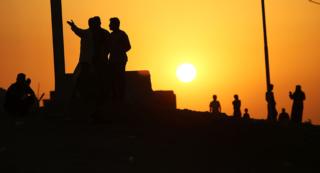
The story in Iraq, which has seemed to be all about religion and military developments, is actually mostly about politics: access to government revenue and services, a say in decision-making, and a modicum of social justice.
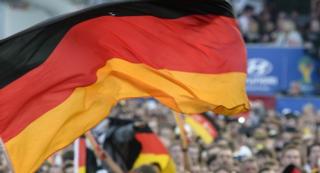
A more confident, post-modern Germany that sees the world in a very different way than Russia is emerging. While illusions are gone, however, interests remain, and they incentivize both sides to work together on a range of issues.

Russia has stepped forward in Ukraine to protect its vital interests—which the West saw as aggression by a revisionist power. The ensuing conflict will last long and have an impact far beyond Europe.
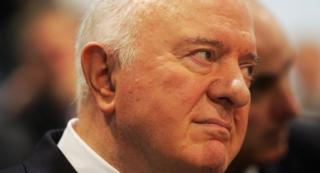
Although many today may doubt the effectiveness of his policies, because of Eduard Shevardnadze Georgia has a set of options today, being in a position that in no way resembles the reality a generation ago.
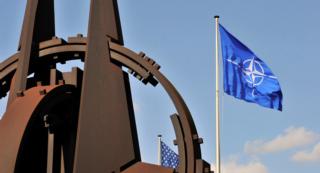
The Wales summit will be NATO’s most difficult test in a generation, but in the wake of the Ukraine crisis, NATO is finally treating the issue of enlargement with the seriousness it deserves.

President Shevardnadze belongs to the people of Georgia. At the same time, Foreign Minister Shevardnadze will forever remain a major figure in Russia’s history, because he helped wind down the Cold War.
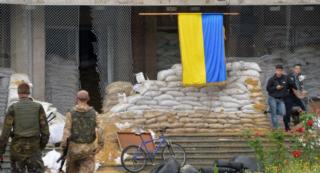
It seems the Kremlin is making a U-turn in its Ukraine policy. Although it appears that Putin has acquired a legitimate partner in Poroshenko with whom he can reach agreements, both must walk a very fine line given their respective domestic political situations. Ultimately, the ball is in Putin’s court.
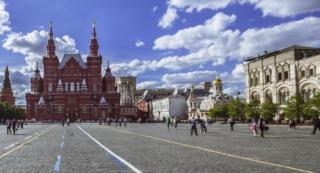
Russia could use the U.S.-led sanctions to begin its long-delayed re-industrialization and to start building a modern economy.
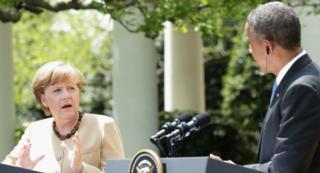
German protestations over recent allegations of U.S. espionage point to the fact that the Federal Republic is rediscovering its dignity. As Germany emerges as one of Eurasia's major powers, a sense of “normalcy” will return to relationships that used to be special, the United States being no exception.
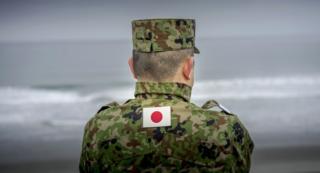
Japan’s new guidelines for overseas operation by the country’s Self-Defense Forces are not aimed at Russia. On the contrary, Japan’s pro-active policy serves the maintenance of balance of power in North-East Asia, which in its turn fits the interest of Russia.

In recent years Georgia has taken every possible step to ensure that its western trajectory does not threaten to Russia. Georgia is seeking a constructive role, consistent with its values and in tune with its geography.