Carnegie Moscow Center

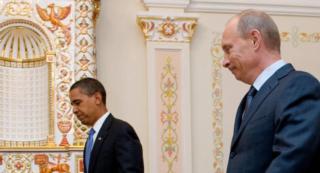
For the U.S. public and its political establishment, Russia is back as an adversary. Having taken on U.S. power, the Russian state will need to be very smart—and very good—to withstand the confrontation.

The situation around Crimea’s Tatars remains complicated despite Moscow’s evident readiness to compromise.
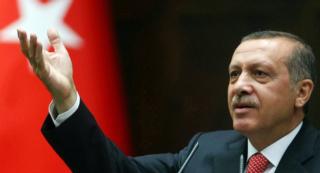
The Black Sea region could do with some Turkish soft power, but it looks as though this is not a priority for Prime Minister Erdogan.
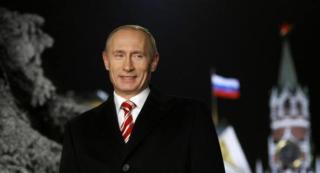
Moscow has demonstrated its strong determination to follow its own path on the world scene and build its own economic, political, and military base.
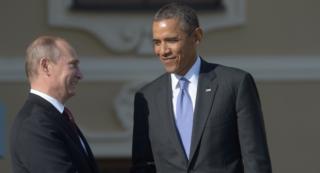
Today’s world is again facing the civilizational choice which was recently expressed in the speeches of Putin and Obama representing two civilizations with starkly different norms.
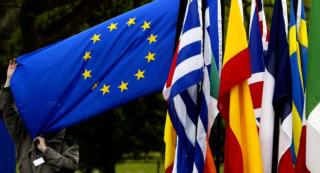
The continuing crisis over Ukraine has significantly hardened Western official and media attitudes toward Russia. However, with Washington leading the charge and NATO back in the saddle, the European Union is taking a back seat.
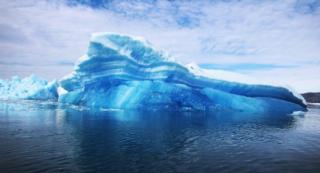
An overview of the five most pressing issues in the Arctic reveals that a number of factors in the region may help mitigate and regulate competition and promote cooperation.
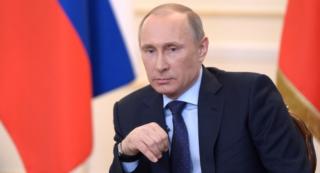
The seizure of Crimea is Putin’s personal conquest, as well as a dramatic reinforcement of his regime of personal power. For now Putin has succeeded in halting Russia’s social and economic modernization and has pushed Russia to an anti-modernization course.
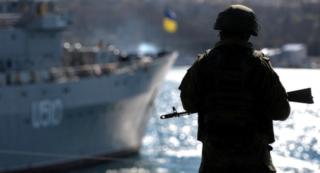
Armenian President Serzh Sargsyan has said that he supports the Crimean referendum, but it is hard to say whether Armenia’s authorities could have expressed another view.

Russia’s annexation of Crimea and possible future incursions into eastern Ukraine could reshape the geopolitical map of Europe and derail cooperation between Moscow and the West for years to come.
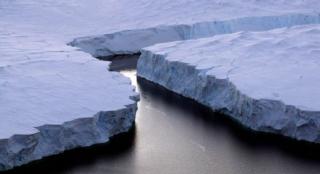
Cooperation among Arctic states is essential to reducing the potential for political, economic, or small military clashes. The fallout from the Crimea crisis, however, could spoil elements of Arctic cooperation.

As soon as the Crimea crisis struck, both Armenia and Azerbaijan immediately hardened their positions on the Nagorny Karabakh conflict.
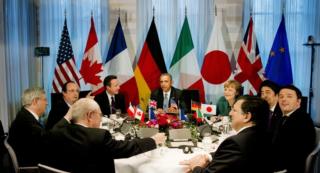
Those who believe that the Kremlin will be satisfied with Crimea and will agree to return to a new “reset” do not understand the nature of the Russian personalized power and its logic that tries to prolong its life at the expense of breaking the rules and even destroying the world order.
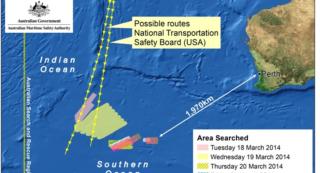
Two weeks search for the missing Malaysia Airlines plane was an example of both impressive regional cooperation and discouraging limits of such cooperation in the Asia-Pacific region.
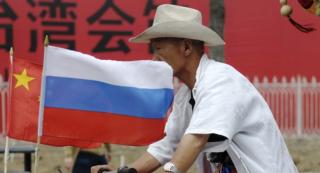
Russia’s economic, political and strategic environment in the West is fast deteriorating. One obvious way to respond to this is to reach out to Asia and the Pacific.
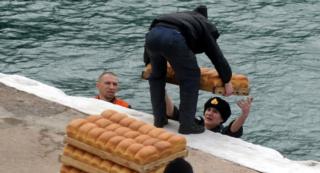
In Crimea, Putin will face the financial burden which the annexation will incur. Crimea’s case may seem to be manageable at first, but the expenditure will absorb all money and Russia’s already dwindling investment will be brought to nil.
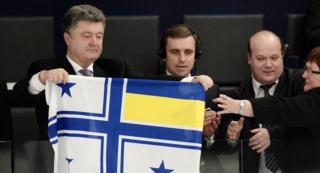
Ukrainian oligarchs face a very real threat of seeing parts of their business empires disrupted by a political crisis over which they have no control.
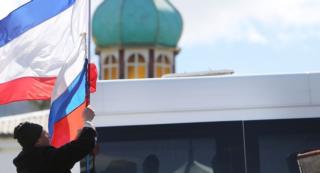
Moscow has long been unhappy about some of the rules of the game set after the end of the Cold War, such as the West’s dominance, but now it feels strong and confident enough to challenge them.
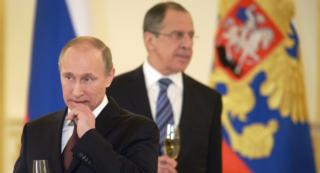
The Kremlin wants to legalize the annexation of Crimea to Russia as soon as possible because it is trying to present the world with an accomplished fact while the West is still confused and lacks effective means to stop Russia.
The West’s sanctions will be damaging to Russia and its people. However, standing up to Western pressure is likely to become the main feature of a newborn Russian patriotism and the central element of national consolidation.