Carnegie Moscow Center

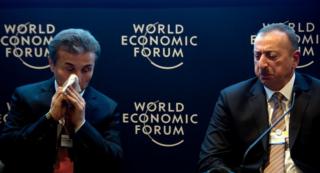
The October elections in Azerbaijan and Georgia seem to mean different things for those two countries. In Azerbaijan, there is a continuity of Aliev rule that is moving toward sultanism. In Georgia, one could observe the end of one epoch and the beginning of another.
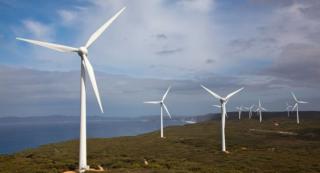
Official documents on developing a green economy do not mention actual ecological problems, including the limits to ecological development. This proves that the economy itself and socioeconomic components are the most important parts of a green economy.
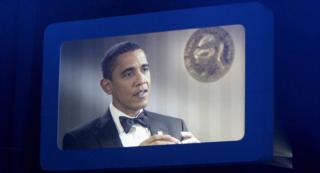
Obama needs to follow up on the Syrian disarmament plan and be ready to augment it by a serious effort at a political settlement in Syria within the Geneva framework. If there is to be a solution on Syria, Iran should be part of it. Engaging the Iranians on Syria would be a confidence building measure which would also help in the nuclear talks.
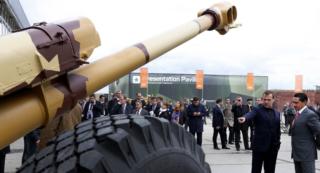
As Russia proceeds with its massive rearmament program, its arms exports, a lifeline in the 1990s, will be important, but no longer critical. The truly critical question is, what Russia itself will be arming against.
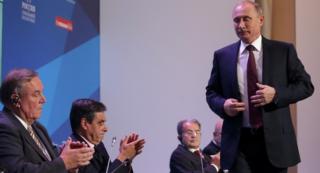
The tenth-anniversary Valdai Club meeting was named “Russia’s diversity for the Modern World.” Nevertheless, the issue of diversity was put to the side by other hot current issues: the recent Russian elections, corruption, and Syria.

Merkel’s rule, apparently, means a break in Germany’s life due to the lack of new political elites and leaders.
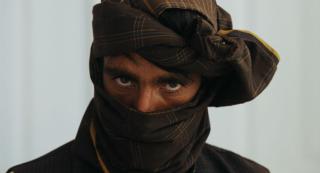
Terrorism is hardly to be found in a traditional religious society, consisting of people who are brought up and educated there, who know this tradition, its texts and practices, and whose life is religiously integral rather than separated into religious and profane parts.
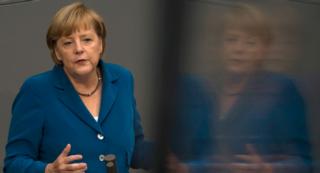
Merkel’s leadership is made up of a whole series of anti-leader qualities: attempts to put off needed decisions, not wanting to take responsibility, an emphasis on pragmatism, privatizing opponents’ ideas, and refusing to set a clear foreign policy line.
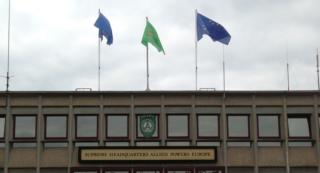
The Alliance is waiting now for the U.S.-Afghan agreement, which will give a political and legal base for the U.S. presence in Afghanistan. The problem is that Hamid Karzai is not ready to sign this agreement.
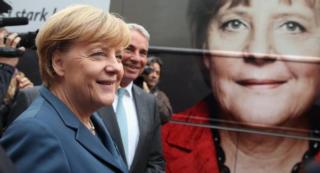
For Europe as a whole to play a strategic role in global affairs it needs to be more integrated internally. A sense of direction will be required, alongside a will to be an independent actor on the world stage, and pay the price.
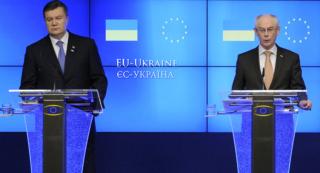
For Vladimir Putin, seeing Ukraine moving away from Russia and leaning toward the EU is unnatural, even perverse.
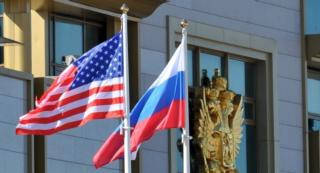
The United Nations is a recognized platform for debate, but its performance depends on its key members actually working together.

The U.S.-Russian agreement on seizing and destroying Syria’s chemical weapons defused the threat of another war in the Middle East but left many wondering what it meant for the balance of power in the region, the course of the Syrian war, and the chances of further diplomatic breakthroughs.

Beijing is dipping its diplomatic toes in the turbulent waters of the Middle East. But it is not clear if Delhi is ready to do the same.

Beijing is emerging as the big winner in Central Asia, displacing Washington and Moscow while ensuring that engagement with countries in the region takes place on its terms.
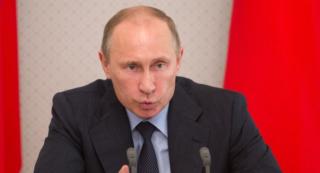
Vladimir Putin has taken the new aggressive turn in domestic policy and in the neighborhood. That has simply left him with no friends in the West.

The authorities took a new approach in the Moscow election by allowing opposition candidate Navalny to participate without the possibility of winning. But Navalny won a moral victory and became an opposition leader with a national reputation.
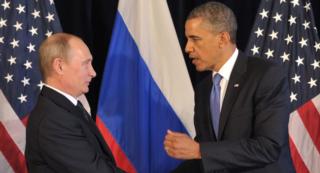
Unexpectedly, Russia has emerged as a positive force in the eyes of the West. The eternal spoiler has turned into a benevolent power which toils to find a common solution with the West.
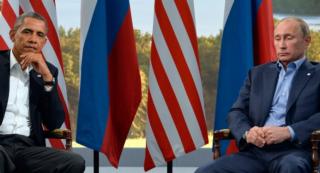
Both America and Russia have turned from the Yalta legacy of the “areas of influence” and interference in domestic affairs of other states to noninterference even in the case of mass slaughter.
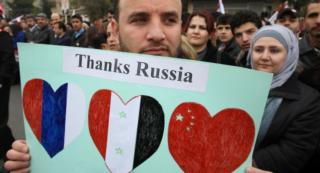
Russia has managed to step up from a naysayer and a spoiler vis-a-vis U.S. actions to an independent full partner. With this, Russia has again earned its permanent Security Council seat.