Carnegie Moscow Center


Introducing a normative dimension into the U.S. relationship with the Kremlin will complicate bilateral relations, but it will also help the United States regain the trust and respect of Russia’s pro-Western constituency.
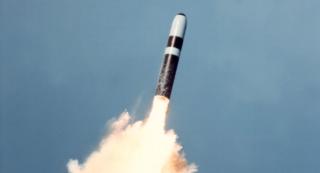
The “Great Triangle” of the Asia-Pacific region formed by the United States, Russia, and China is particularly important in both geopolitical and military-strategic terms.
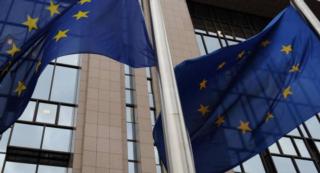
In order for the EU to have a successful policy toward its biggest neighbor, Europeans must understand the recent changes that have taken place in Russia and their implications for the country’s future.
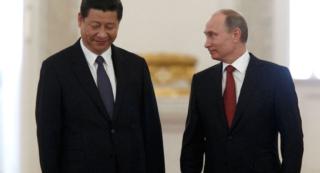
Russia has embarked on its own “pivot” toward China, but it is far from certain that Moscow will find Beijing a comfortable partner.
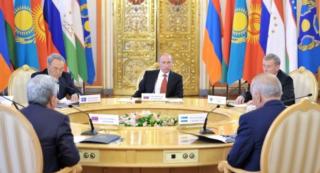
For the foreseeable future, the Commonwealth of Independent States should remain Russia’s significant foreign policy priority. Its policies toward individual CIS countries will be shaped by Russian leaders’ practical interests and needs, and also by the changing environment.
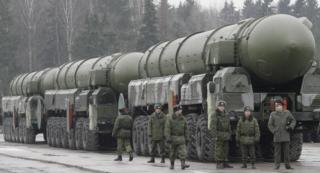
In 2013, the state of, and prospects for, U.S.-Russian cooperation in arms control and security look more dubious than at any point since the end of the Cold War. The main obstacle is unfavorable domestic political environments in both countries.
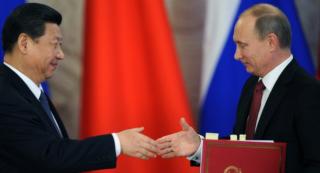
The emerging Sino-Russian relationship in the Xi-Putin era is likely to take the form of a tandem in which China will be the driving force, though not at the cost of Russia surrendering its independence.
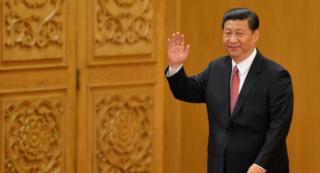
Xi Jinping’s visit to Moscow may not necessarily be historic, but it is certainly symbolic of the long way bilateral relations between Russia and China have come.

U.S.-Russian public health cooperation has led to extraordinary achievements, from the development and production of the Sabin polio vaccine to the eradication of smallpox. But the full potential of this collaboration has not yet been achieved.

Western society wants to bring back a normative dimension to foreign policy and stop the export of corruption from authoritarian and semi-authoritarian countries to the West.

Xi Jinping’s first foreign trip as China’s president reflects the remarkable progress made in the Chinese-Russian relationship. But potential pitfalls remain.

China’s new leaders will stay focused on domestic issues. With its growing relative economic and military advantages, China is largely comfortable with its current foreign policies.
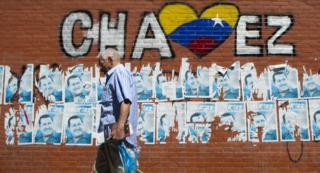
Hugo Chávez shattered Venezuela’s peaceful coexistence with poverty, but leaves behind a weaker democracy, an economy in shambles, a fiercely polarized society, and high crime and murder rates.

Russia has no intentions of getting involved again in Afghanistan. Yet Central Asian republics now fear instability on their borders as NATO’s 100,000-strong presence ends.
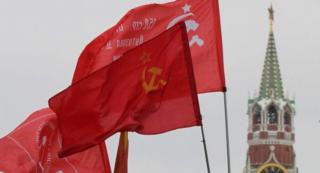
A true de-Stalinization process in Russia will require no less than a reinvention of Russian nationhood based on a rejection of the traditional concept of the state, an end to the political and historical immunity of the secret police, and the emergence of a concept of "we, the people."

Joseph Stalin, the Soviet leader responsible for the deaths of millions, still commands worryingly high levels of admiration in some post-Soviet countries.

Poland’s decision to indirectly criticize Russia on human rights issues as part of the EU and not as a single state is a strategic decision. This allows Warsaw to voice its concerns while still maintaining its position in the EU and reaping the benefits of productive relations with Moscow.
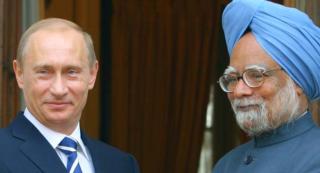
The Russian government should transition to a comprehensive and overarching strategy in South Asia.

The Kazakh nuclear experience is a reminder of the power of diplomacy and the economic incentives at the disposal of the international community.
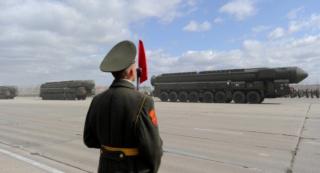
Obama’s bid to reduce the number of nuclear weapons globally requires an updated and comprehensive look at Russia’s security needs to be successful.