Carnegie Moscow Center


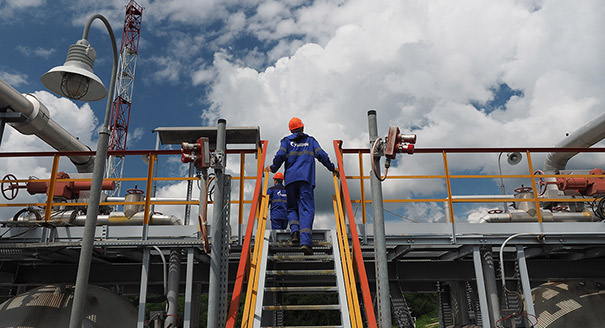
The main obstacle to energy negotiations between Russia and the EU is the clash between their perceptions of energy security. Moscow claims that the biggest threat to European energy security is Ukraine’s unreliability as a gas transit country, while Brussels believes the construction of new Russian pipelines circumventing Ukraine will do nothing to improve the EU’s energy security.
Unlike Russian gas pumped via Ukraine and Germany, that flowing through Turkey will face tough competition from Azerbaijani, Iranian, Iraqi, and possibly even Turkmen and Israeli gas. Gazprom’s rivals won’t need to ship their gas as far, and they will have much lower pipeline construction costs. The gas market in southeastern Europe is not that big and doesn’t have a lot of room for growth.
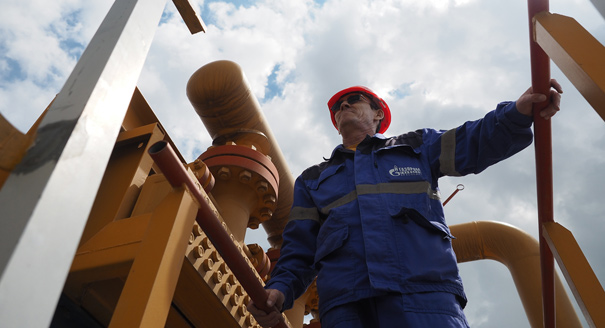
Why is Gazprom selling gas to Europe below cost? So that companies from the United States and other countries do the same, fall into a price war, and eventually go broke.
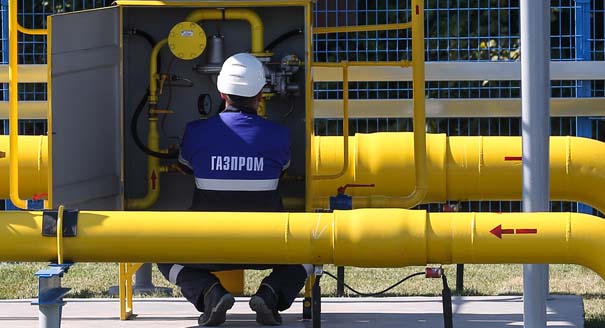
The construction of a new pipeline that will send Caspian natural gas to southern Europe is making Gazprom executives uneasy. Once the pipeline is completed, Gazprom will lose its monopoly in southern Europe and may have to resort to price dumping to stay competitive.
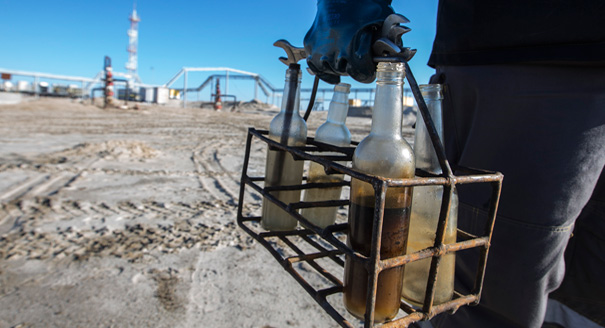
A recent slight increase in Russia’s oil output is likely to be short-lived. Oil production may start to decline by the end of the year, falling almost twofold by 2035 due to a lack of financing for new field exploration and development.

Changing and burdensome tax regulations for the Russian oil industry are deterring foreign investors and causing problems with attracting financing for long-term growth. New proposals by the Finance Ministry, if implemented, would only make things worse.
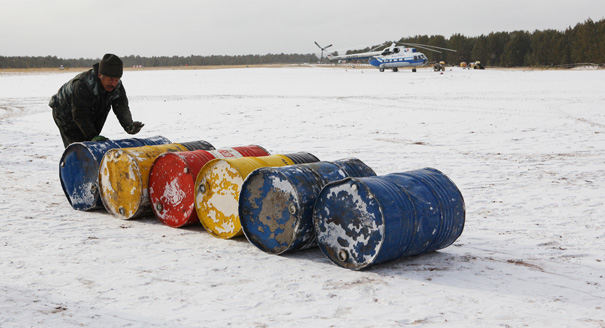
Russia’s oil and gas industry faces long-term systemic problems, even in the unlikely scenario that the price of oil rises sharply again. This has severe implications for the country’s economic prospects.
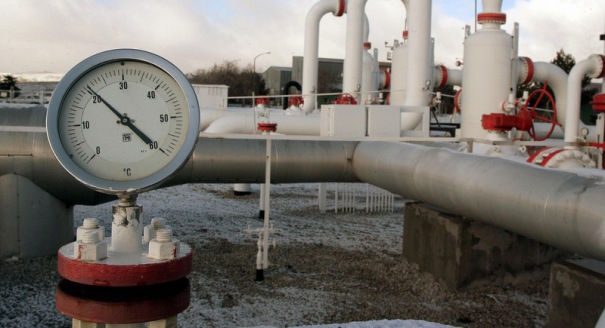
Vladimir Putin’s trip to Turkey could help him recover from the cold-shouldering at the G20 summit in Brisbane, but it will not make Ankara abandon its great strategic goal to become an indispensable supplier of natural gas to Europe and a major competitor for Gazprom.
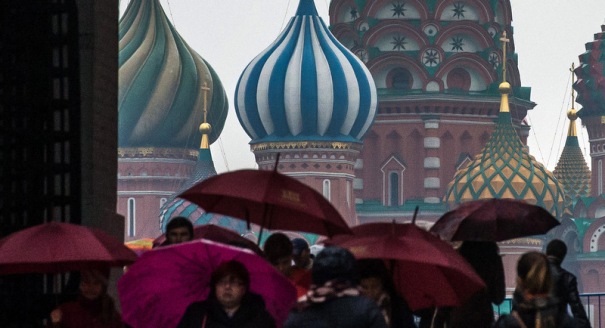
The old Soviet “enemies-are-everywhere” mentality frequently leads Russian decision makers to losses and defeat.
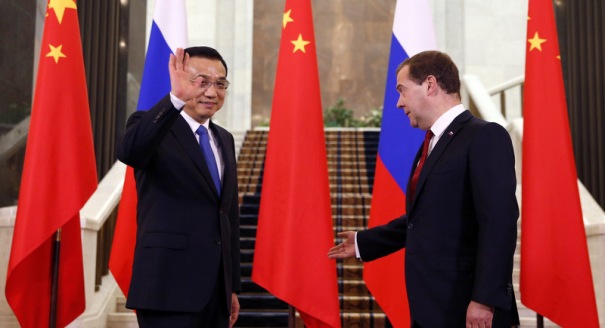
Moscow’s most recent, failed attempt to cooperate with China on the Altai gas pipeline shows that its political ambitions are not compatible with elementary arithmetic.