Carnegie Moscow Center


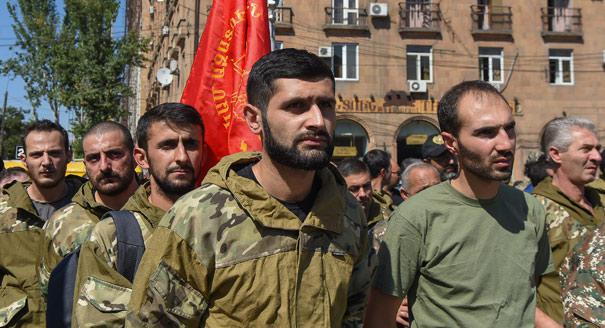
The most likely scenario amid renewed clashes between Armenia and Azerbaijan is a battle for small and not particularly important pockets of land, allowing for the symbolic declaration of a victory. But raising the bar in a conflict makes it very difficult to stop as planned.
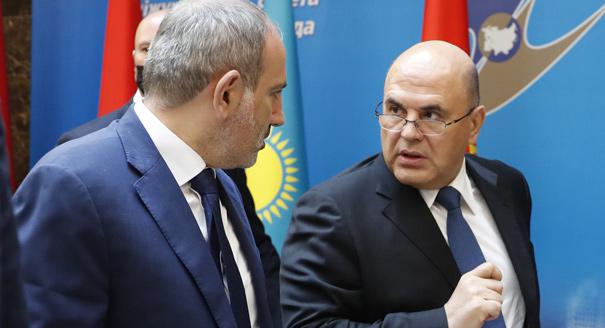
It’s in neither Armenia nor Azerbaijan’s interests for Russia to pick a side in their conflict: Nagorno-Karabakh would go from being a unique place where Russia and the West cooperate to yet another theater for their rivalry, with all the ensuing risks and dangers.
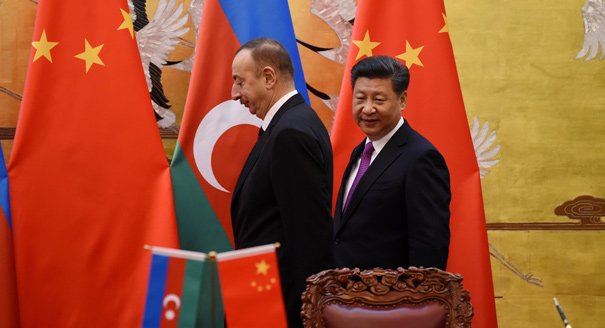
At a time when demand for diversified foreign policy in the South Caucasus is clear, Beijing is building political frameworks that are attractive to countries in the region. In addition, China’s reluctance to get involved in the region’s internal problems makes it a convenient partner for everyone.
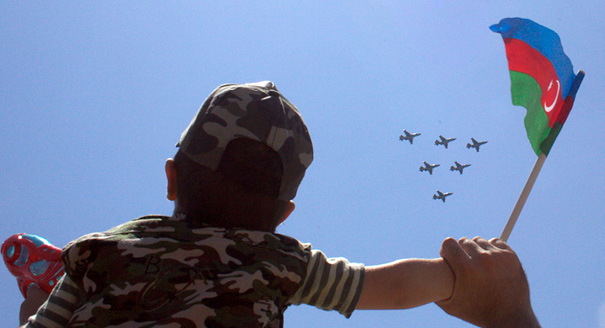
Unexpectedly, Baku has begun to debate joining the Collective Security Treaty Organization (CSTO). However, Azeri rhetoric aside, until Baku comes to see accession to the “Eurasian NATO” as critical to regaining control over Nagorno-Karabakh—its top political priority—it is unlikely to pursue CSTO membership, just as it has declined to participate in other multilateral initiatives in which Yerevan is involved.
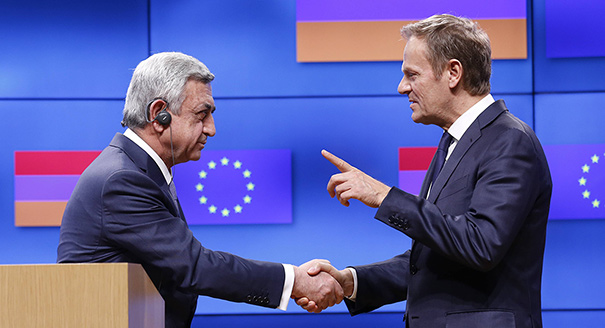
Four years ago, Armenia’s failure to sign the EU Association Agreement was an early indication of the impending Ukraine crisis. Now, an Association Agreement-lite has been signed with Brussels. While this doesn’t represent a normalization of relations between Russia and the EU in the post-Soviet space, it’s important symbolically. Rather than an “either/or” approach to integration, the EU and Russia are gradually moving in the “both/and” direction.
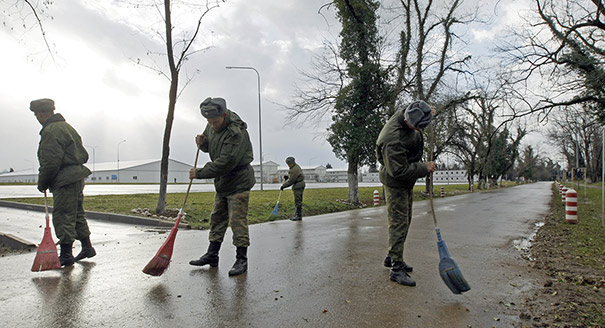
Russia and the West have a choice in the South Caucasus. They can either treat the situation in Abkhazia and South Ossetia as being isolated from other conflicts—such as those in the Donbas and Transdniestria—or they can use it as an additional argument in their overall confrontation.
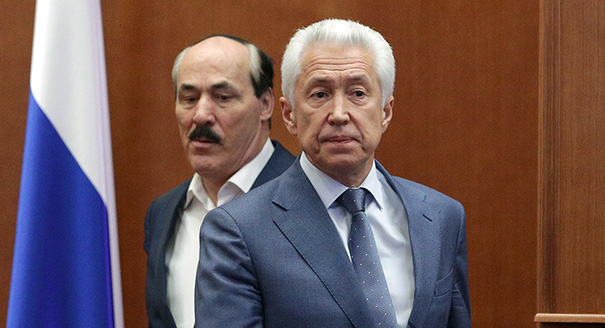
Dagestan’s outgoing leader was also once presented as a figure who would instill order in the republic and combat clan rule. Indeed, Ramazan Abdulatipov tried to reform the regional elite. But clan rule, nepotism, corruption, and the threat of terrorism are still there four years later. It has proved impossible to modernize Dagestan without changing the Russian system as a whole.
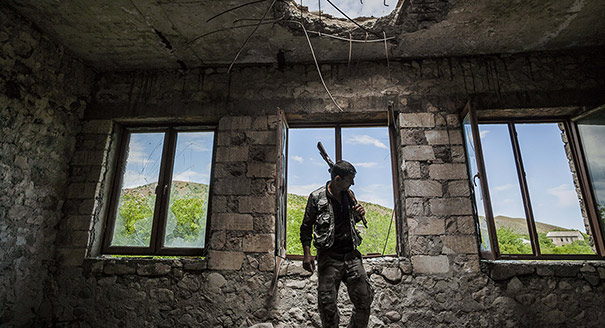
The conflict in Karabakh is the only one in the post-Soviet space where Russia and the West are ready to work together. But none of the mediators are currently discussing the core issues in the dispute.
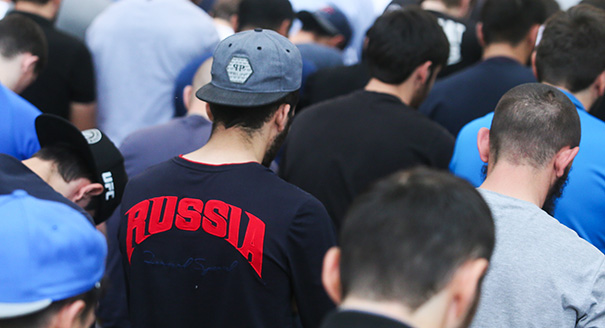
Russian Muslims are protesting the situation in Myanmar. Chechen leader Ramzan Kadyrov is laying claim to a separate regional foreign policy based on the defense of Muslims abroad. It is a broader phenomenon than that and reflects the distinct identity of Russian Muslims and the failure to build a proper nationalities policy in Russia.
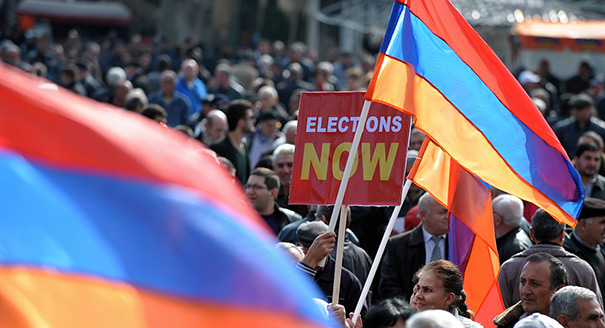
The parliamentary elections in Armenia aren’t just about President Serzh Sargsyan’s effort to stay in power by swapping his current post for the prime ministership. Armenia’s international allegiances are also up for grabs, leaving Moscow to choose between supporting some opposition politicians and simply throwing its weight behind the ruling party.