Carnegie Moscow Center


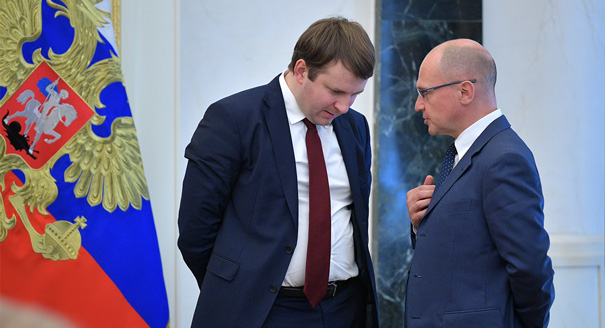
The president’s withdrawal from economic issues leaves politicians of a certain type with room to maneuver. Their hope is to formulate a new economic path that they may even be allowed to put into practice. If they are lucky, and if Putin decides to vacate the Kremlin in 2024, they will be implementing this path from the office of the president.
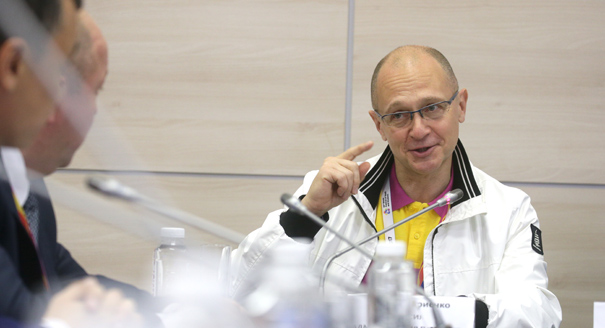
A new experiment in the use of artificial intelligence will be monopolized by the Kremlin. It could have major political consequences in Russia.
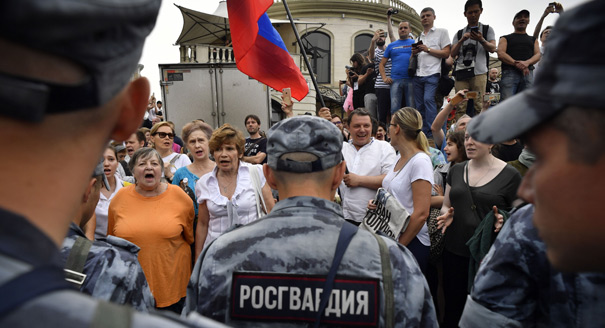
Having lost his leadership, President Putin now has one chance to carry out major reform that would at least temporarily restore the status of national leader to him. The problem is that after twenty years at the helm, he needs to offer society something a little more solid than the national projects. His final reform must in some sense put an end to the way of ruling the president has adhered to since he first came to power: i.e., using brute force to rule the country.
Putin’s press conference made it clear that for the president, the question of whether ordinary people want to participate in modernization is secondary to the fact that the government wants to carry it out, and that there are enough people around who are “full of optimism and ready to work.” The subject of optimism and the future epitomizes the problem of the gap between the modernization agenda and public sentiment.
The largest coalition of support for the Russian regime in modern history is over. Due to the fusion of the ruling elite and business, the Russian authorities have no one left to blame for poverty and falling standards of living besides themselves. But the government may have one last trick up its sleeve: repression.
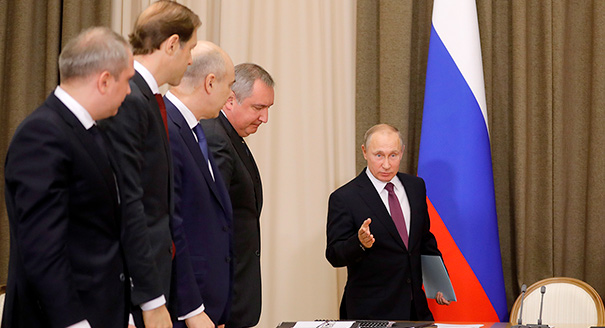
The less specific presidential orders are, the greater the speculation about what Putin actually wants done. This deliberate vagueness allows the president to see more clearly both the new power balance and the political material he will have to deal with in the next six years.
The conflict that will dominate Putin’s fourth term is not between the doves and hawks, but between two economic schools: the industrialists, who believe the economy is made up of manufacturing machines, and the liberals, who are convinced that it consists of money. No technocrat will be able to form an efficient team from people who have fundamentally different ideas of what the economy actually is.
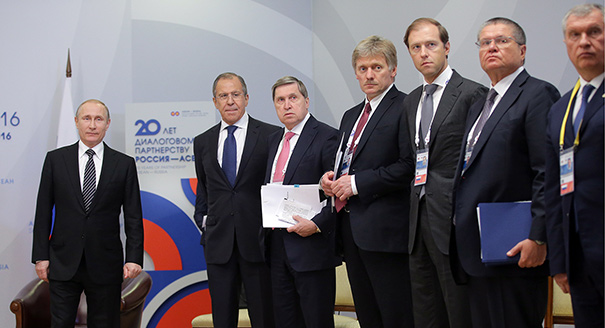
As President Putin approaches his fourth term, his personal power is diminishing. In the recent corruption case against Minister Ulyukayev, the licensing of European University, and lawsuits against Sistema Financial Corporation, Putin has been either unwilling or unable to interfere. With the president off to the sidelines, there are signs that Russia’s “night rulers” are expanding their power.
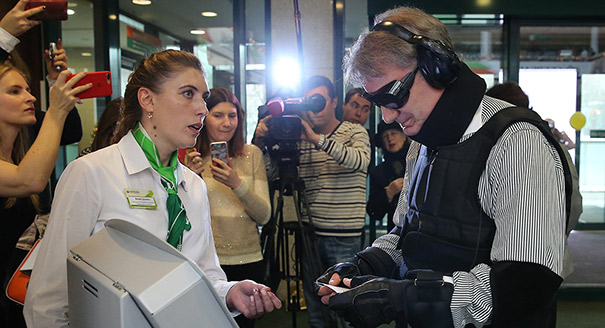
Russian new regional governors are being given a version of Western-style management training perfected by Sberbank boss German Gref. They are like managerial special ops forces deployed behind enemy lines by Moscow.
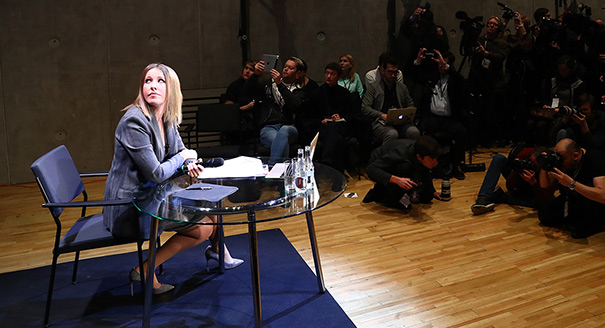
Ksenia Sobchak’s run for the Russian presidency is not meant to siphon votes away from Alexei Navalny. The Kremlin’s aim is to create a pseudo-opposition, which will channel the discontents of the liberal urban electorate.