Carnegie Moscow Center


Twenty years after Russia cast off its Soviet economic model, its central bank is still struggling to keep inflation under control. To moderate price increases, the central bank must clarify its approach to monetary policy.

Russia’s economic performance exceeded expectations in 2010, but inflation continues to worry policy makers. While they are attempting to curb rising prices, they are avoiding other necessary reforms for fear of inciting protests as elections approach.
Russia’s GDP is expected to grow at low rates the next two years and the country's budgetary outlook remains uncertain, while recent riots and violence suggest that the country’s political situation is deteriorating.

With inflation rising, trade balances falling, and economic growth slowing, the outlook for Russia's economy is bleak. Official plans for strict budget tightening will only add to the troubles.

Moscow’s unwillingness to trust market forces and continued insistence on top-down economic policies undermines any attempt at a true economic partnership with Europe.

Despite the renewed flow of bank credit, investment remains low in Russia. If investment growth fails to materialize soon, the economy may be headed for a long period of stagnation.
In 1998, Russia successfully dealt with a severe fiscal crisis by restructuring its debt. If Greece chooses to do the same, it should take note of three valuable lessons from Russia’s experience.

Twelve years after defaulting on its debt, Russian policy makers are again facing difficult choices regarding public spending. With debt remaining at relatively low levels, however, the government should focus on economic recovery, not deficit reduction.

Though Russia's GDP contracted by less than expected in 2009, exports appear to nearing their maximum level and the banking system is facing a debt crisis, raising important questions about the future of Russia's fiscal policy and economic growth.
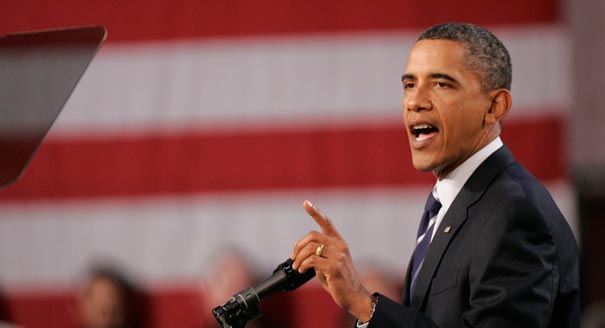
Obama is trying to position himself as the ‘president of all Americans,’ to modernize the United States, and to resolve pressing problems such as unemployment, health care, and the budget deficit.