Carnegie Moscow Center

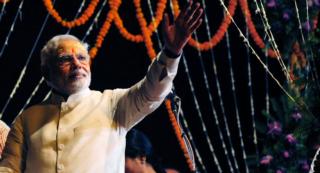
The Indian landslide victory of the Bharatiya Janata Party and Narendra Modi may lead to a strengthening of the strategic partnership between India and Russia.
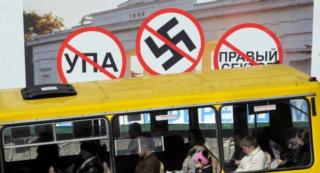
The message in Moscow is that Ukraine has been taken over by “Fascists” and neo-Nazis: if the enemies are Fascists, then all means for combatting them are acceptable.

Threats from South Asia challenge Russia’s security. Moscow needs a new approach to the region that prioritizes better relations with Islamabad.

The worse the situation becomes in Russia, the better it looks in the eye of the people. This can be explained by mass self-deception and people’s desire to believe in a fairy tale. However, Russia is approaching a moment of truth when people will realize how serious the country’s problems are.
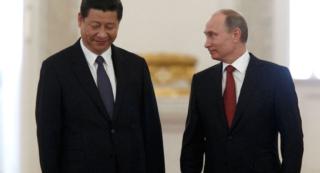
Vladimir Putin’s first visit outside the former Soviet Union since the beginning of the Ukraine crisis is to China. The vector of Russian foreign policy has changed dramatically, and Russia has been seeking ways to strengthen ties with leading non-Western powers.

Germany is Europe’s sole emerging power, and potentially a power in Eurasia, and Ukraine is a good place to start working toward its new role. For starters, Germany needs to stop thinking of Ukraine as a U.S.-Russian issue, and assume responsibility there on behalf of the EU as a whole.
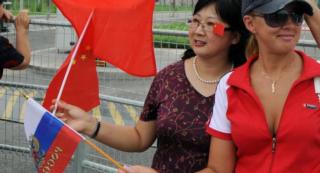
Since the 1990s, warnings from Russian liberals that Western pressure would push Russia toward China have failed to materialize. Now, however, faced with U.S.-led geopolitical pressure in Eastern Europe and East Asia, Russia and China are likely to cooperate more closely.
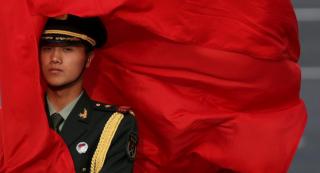
Putin’s travel to China should demonstrate that Russia is not alone, and, no doubt, this visit will be a success. However, China can call the shots in the upcoming gas deal. If a deal is concluded on favorable terms, this will signal a big step toward securing the strategic partnership between the two countries.
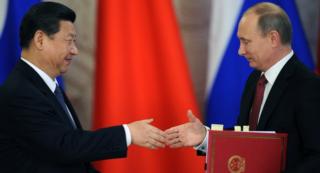
If the Kremlin allies with China too closely, it will not only estrange Russia from most of Asian countries, but also may provoke China’s appetite to gobble the newly-born child of Russia, the Eurasian Union.
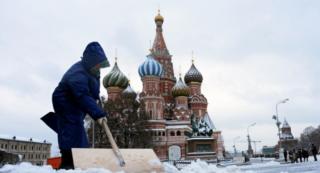
Putin looks like he will continue to ride the tide he has set into motion for the time being. But amidst his tactical successes the signs of a looming strategic defeat can be already seen.

The ceasefire, which halted the war over Nagorny Karabakh 20 years ago, has been broken with grim regularity. Ordinary soldiers and civilians are the ones who pay the price for a lack of agreement on the front line, which is called Karabakh’s Line of Contact.

The most probable Egyptian president Abdel Fattah Al-Sisi is actively exploiting Nasser’s legacy to establish his leadership. But whether he will be able to develop into a full-fledged national leader will become clear in the next few months.

Sanctioning Russia’s oil remains on the table, but playing this card comes with serious economic risk for all.
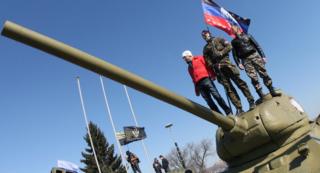
Russia may be the only side that can achieve its goals in Ukraine because it actually has a clear objective: federalization of the country.

After the end of the political protests of 2011–2012, Russia has found itself in a troubled break between two eras. This is a time of conservatism, which, in its Russian incarnation, has morphed into a gloomy, almost medieval archaism.

The quarterly journal Pro et Contra, published by the Carnegie Moscow Center, is being retooled as a web-based online publication, which the Center plans to roll out later in 2014.
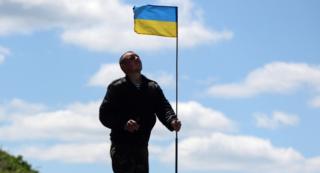
Russia certainly pursues its interests in Ukraine, as does the United States, but the actual forces engaged there are the locals. The victorious Maidan has proven both unwilling and powerless to bridge or stitch together the fault lines which have emerged.

Putin not only seeks to revisit the results of the end of the Cold War, he also wants a final say in establishing the new world order and Western consent to his interpretation of the rules of the game.
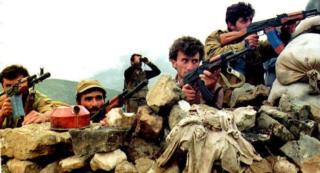
For the first time in many years, the U.S. government made its own policy statement on the Nagorny Karabakh conflict on the occasion of the 20th anniversary of the 1994 ceasefire. In his speech, the American co-chair of the Minsk Group of the OSCE issued an invitation to the governments in Baku and Yerevan to step up their commitment to the peace process.

Putin’s current conciliatory tone and his support of the Ukrainian “dialogue” should be interpreted not as a change of his doctrine but a change of tactics.