Carnegie Moscow Center

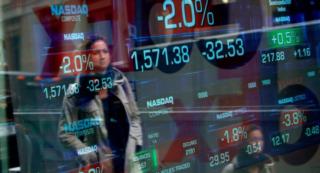
Every country in Eurasia has to dance with the United States, politically, economically, militarily, and culturally. A recovery of the U.S. economy would mean that friendly relations with it will pay off and that an unnecessary confrontation will not.
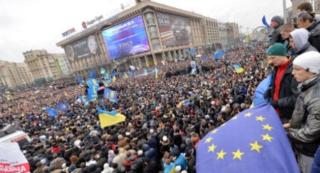
Victor Yanukovych has presented his nation as a gift to Vladimir Putin, but the Ukrainian people have gathered in Kiev’s Independence Square to resist this move. Violence is still possible, and more is at stake than just the political future of one country.
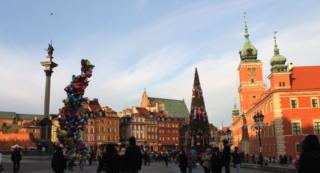
In 2013, Poland got a chance to position itself as a major player within the EU, although “its” Eastern Partnership initiative did not fulfill the expectations. In 2014, Warsaw’s foreign policy—if conducted correctly—could be great for Poland from the image perspective.
By pretty much any historical standards, the wider Europe at the dawn of 2014 is incredibly peaceful. However, peace in Europe should be a signal not for Panglossian optimism but for redoubled Europeans to be vigilant against the risk of new conflicts, large and small.
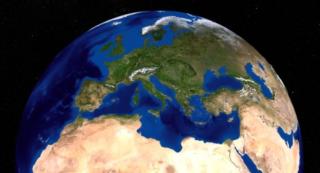
Understanding that the world has found itself in a period of interregnum, or “time without a trajectory,” is the key legacy of 2013.
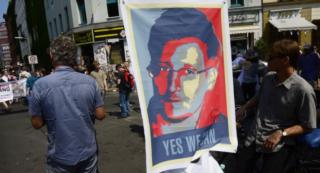
Edward Snowden revealed a lot not only about the National Security Agency activities, but also about the state of the world.
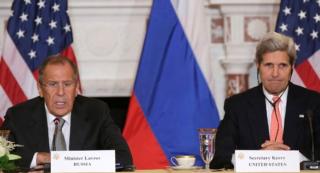
U.S.-Russian relations remain charged, even poisonous, despite some productive cooperation. Transforming the relationship will require a concerted effort in 2014.
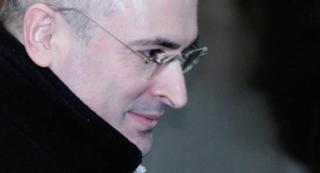
Putin’s pardon of Khodorkovsky is the demonstration of the absolute power of the Russian president who enjoys his omnipotence and who has found one more way to demonstrate it.

Despite the diplomatic victories of Vladimir Putin, the economic stagnation in Russia is a far deeper and long-term factor.
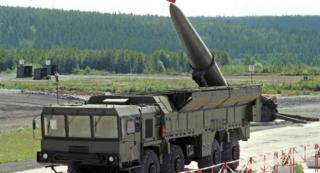
No agreement prohibits deploying of Iskander missiles along Russia western border, but it makes the military situation tense. It appears that Russia chose the path of escalation in relations with NATO.
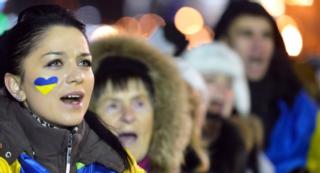
This year’s top three “men of the year” include Pope Francis, Vladimir Putin, and Edward Snowden. But if the “people who made history in 2013” were to be chosen, it should be the actual people—those Ukrainians who have gathered in the Kiev Independence Square.
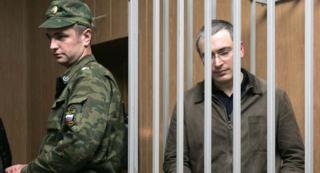
Putin’s announcement about an impending pardon for Mikhail Khodorkovsky at his year-end press conference in the Kremlin today speaks volumes about the state of Russian domestic politics.
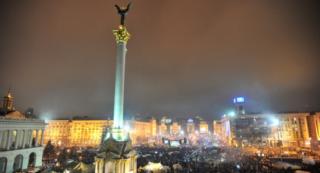
The Russian-Ukrainian economic agreements look like Putin’s victory, but the Kremlin will have to deal with an array of powerful opponents. The battle for Ukraine has entered a new stage.
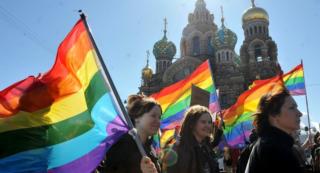
Not only in Russia where ideologists use the issue of homosexual rights as a dividing line between the East and the West, but in some other post-communist states as well the European agenda on gay and lesbian rights is not shared by the majority of population.
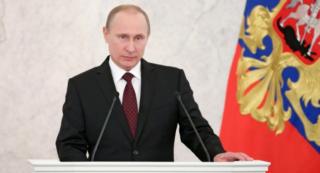
Vladimir Putin’s address to the Federal Assembly means that the president has exhausted himself and can no longer find a single thought or idea that would suggest that he is staying in the Kremlin because he still has something to offer Russia.
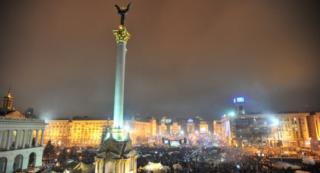
Viktor Yanukovych is not ready to step back from the struggle for monopolistic power. His game with the West has only one purpose for him—to trade less humiliating conditions for surrender to the Kremlin.
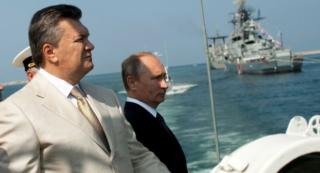
Integrating Ukraine would have been a terrible deal for Russia. On the other hand, if the EU were to help Ukraine become more modern, Russia would be a net beneficiary.
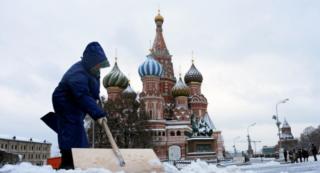
The 20th anniversary of Russia’s Constitution and the Russian president’s State of the Nation Address delivered before the Federal Assembly are an opportune moment to sum up the state of Russia in 2013 and look ahead, in terms of its political system, economic, foreign, and security policies.
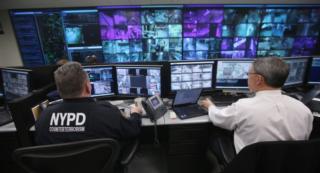
Russia and the West both consider terrorism one of their gravest security threats. To what extent are they cooperating in the fight against terrorism, and what are the prospects for strengthening this cooperation?
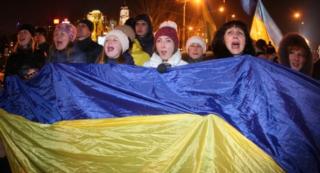
If Europe decides to venture into Ukraine, then it should seriously invest in Ukraine, economically, financially, and politically. As for Russia, it would be better off to continue its policy of non-interference that it is officially maintaining now.