Carnegie Moscow Center


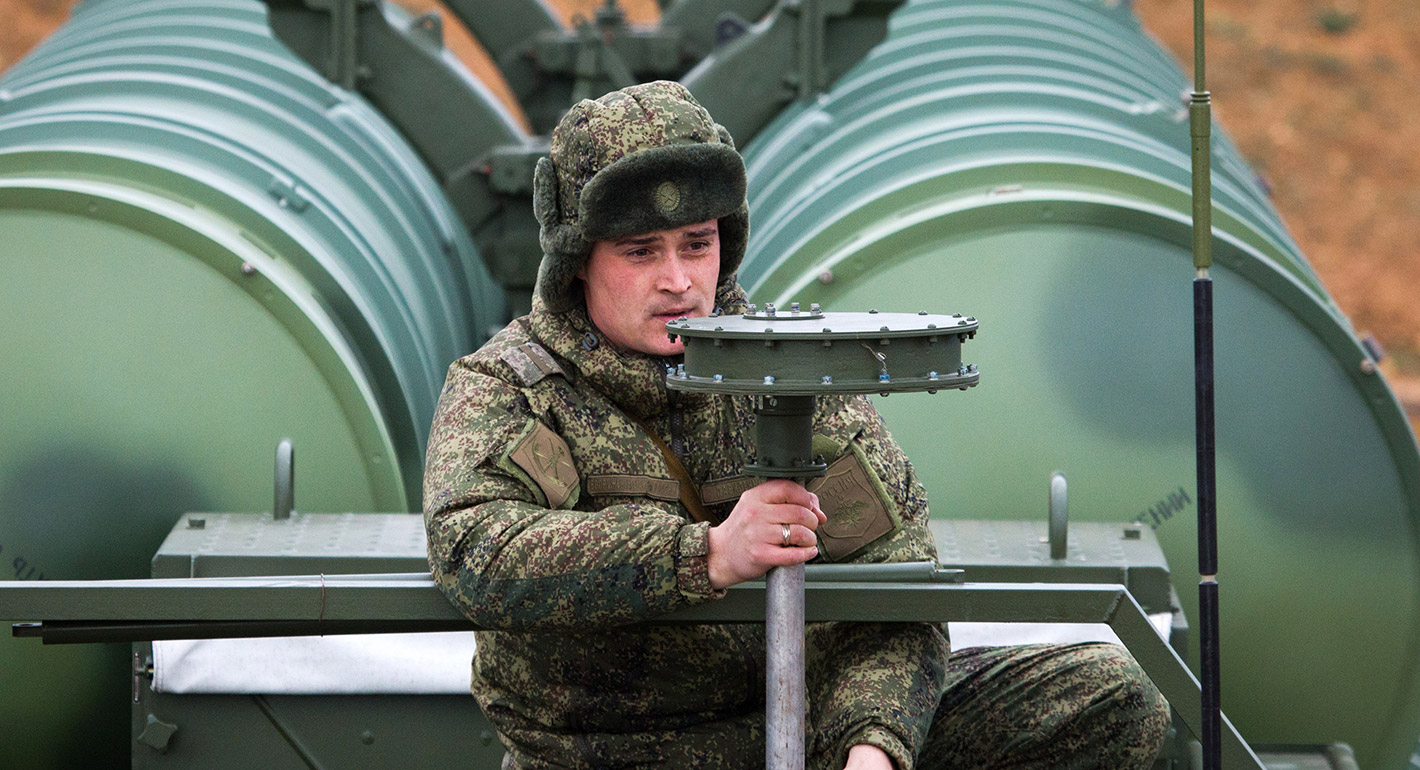
Russia’s concerns that U.S. missile defense and hypersonic missiles threaten its nuclear arsenal are overstated, but the deterioration of arms control treaties has profound negative implications.
Entanglement, driven by the development of new non-nuclear technologies that can threaten nuclear weapons and their associated systems, is giving rise to the risk that a non-nuclear conflict between the great powers might escalate into a global nuclear war.
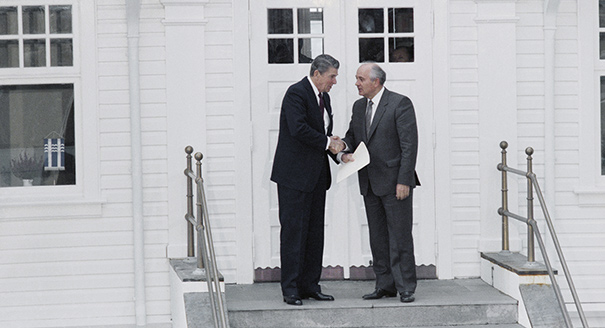
The Reykjavik summit from thirty years ago shows what can be done when two leaders, whose states are supposedly implacable enemies, take responsibility and act to enhance the world’s strategic stability and safety.
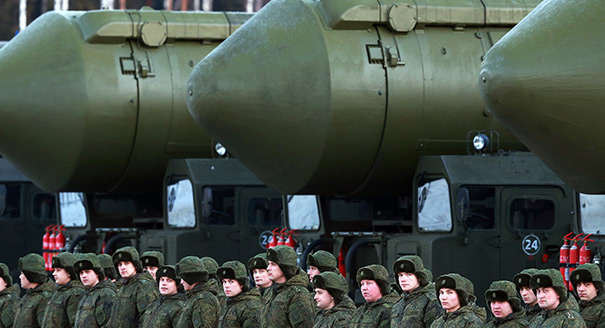
The most advantageous option for Russia and the United States is to sign another START agreement on more cuts in nuclear weapons. However, if that is not possible, it makes sense for the two sides to extend the current treaty signed in 2010.
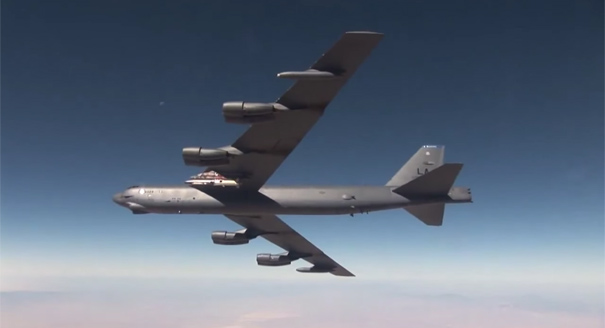
Against a backdrop of Russian, Chinese, and U.S. strides in science and technology, trilateral consultations could help address potential threats from new weapons.
Russian President Vladimir Putin has repeatedly accused the United States of upsetting the strategic nuclear balance by deploying a missile defense system in Europe, but closer examination of the facts reveals a more complex picture.
The current nuclear hysteria resides first and foremost in the minds of Russian and U.S. government officials. Fears of a nonnuclear, armed confrontation between Russia, on the one hand, and the United States and NATO, on the other, are also unfounded.
The tensions in Russian-Western relations will not lead to a direct collision between Russia and NATO. The current surge of mutual psychosis has no relation to the military security.
The Ukrainian crisis has threatened the stability of relations between Russia and the West, making it all the more critical for Russia and the United States to talk, to relieve the pressures to “use or lose” nuclear forces during a crisis and minimize the risk of a mistaken launch.
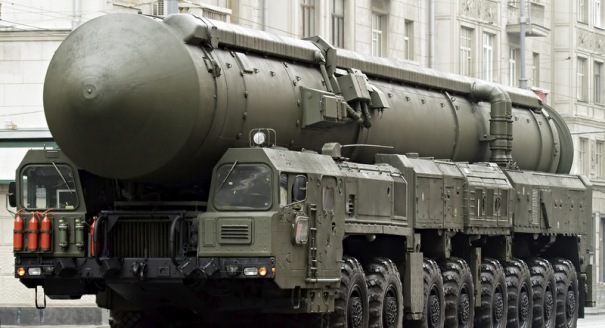
It would be advisable for the presidents of Russia and the United States to make joint decisions to abandon the concept of launch-on-warning strikes based on the information provided by early-warning systems as well as refrain from conducting the respective exercises of the countries’ strategic nuclear forces.