Carnegie Moscow Center

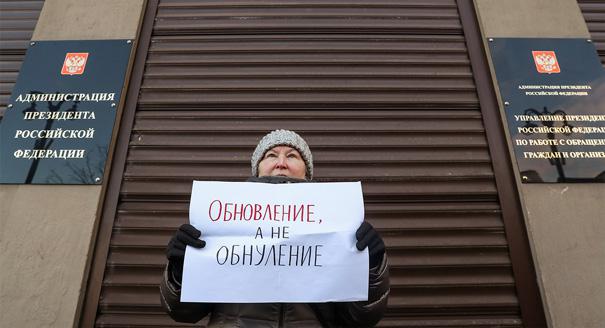
Faced with a pandemic, growing inequality, and widespread dissatisfaction, the Kremlin has launched a series of measures aimed at consolidating Russia’s authoritarian political system. Will they work?
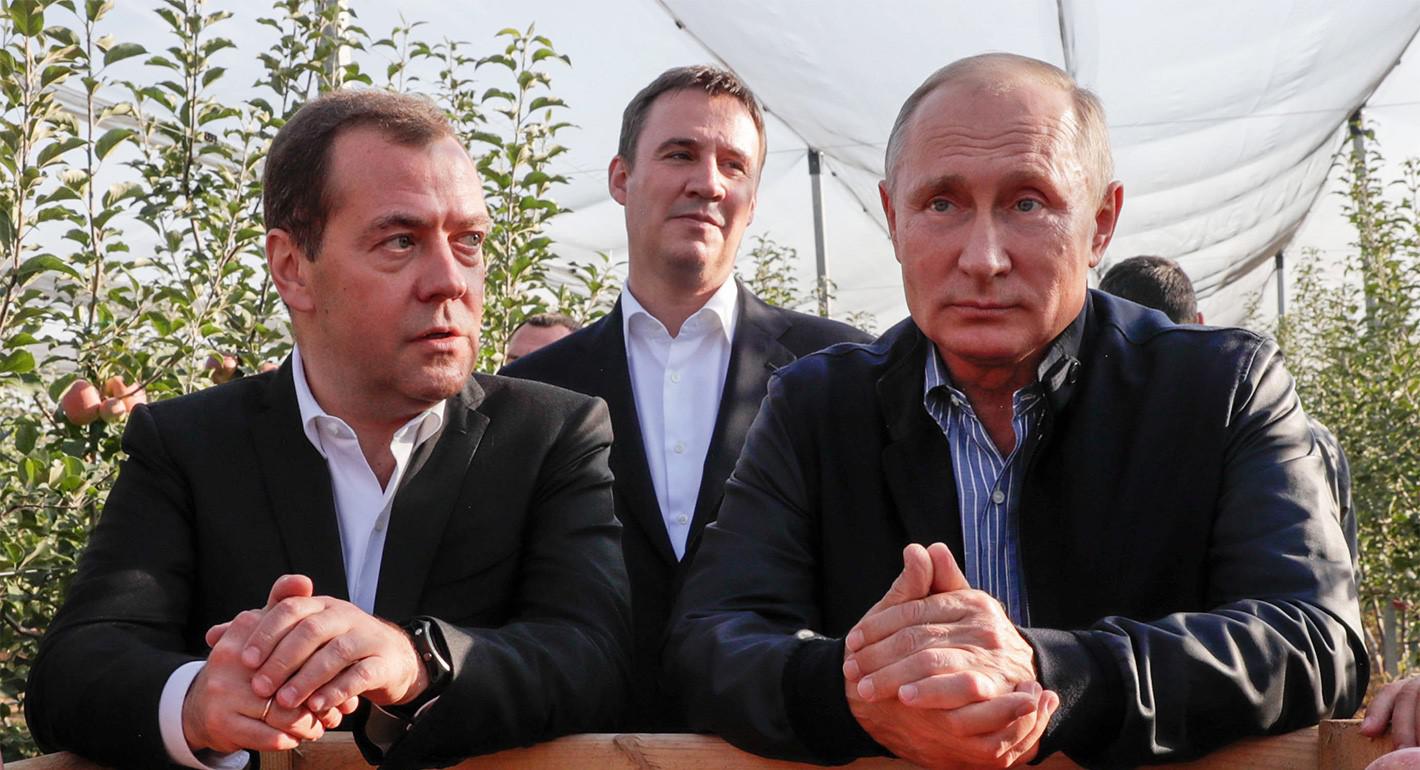
The 2024 election will be one in which the generation of “Putin’s children,” those who have made their careers and profited from the twenty years of Putin’s presidency, face a serious challenge to keep the assets they have acquired.
The Russian public’s appetite for change has increased considerably in the past two years, according to a new poll by the Carnegie Moscow Center and the Levada Center. What kind of change do people want, and what are they prepared to do about it?
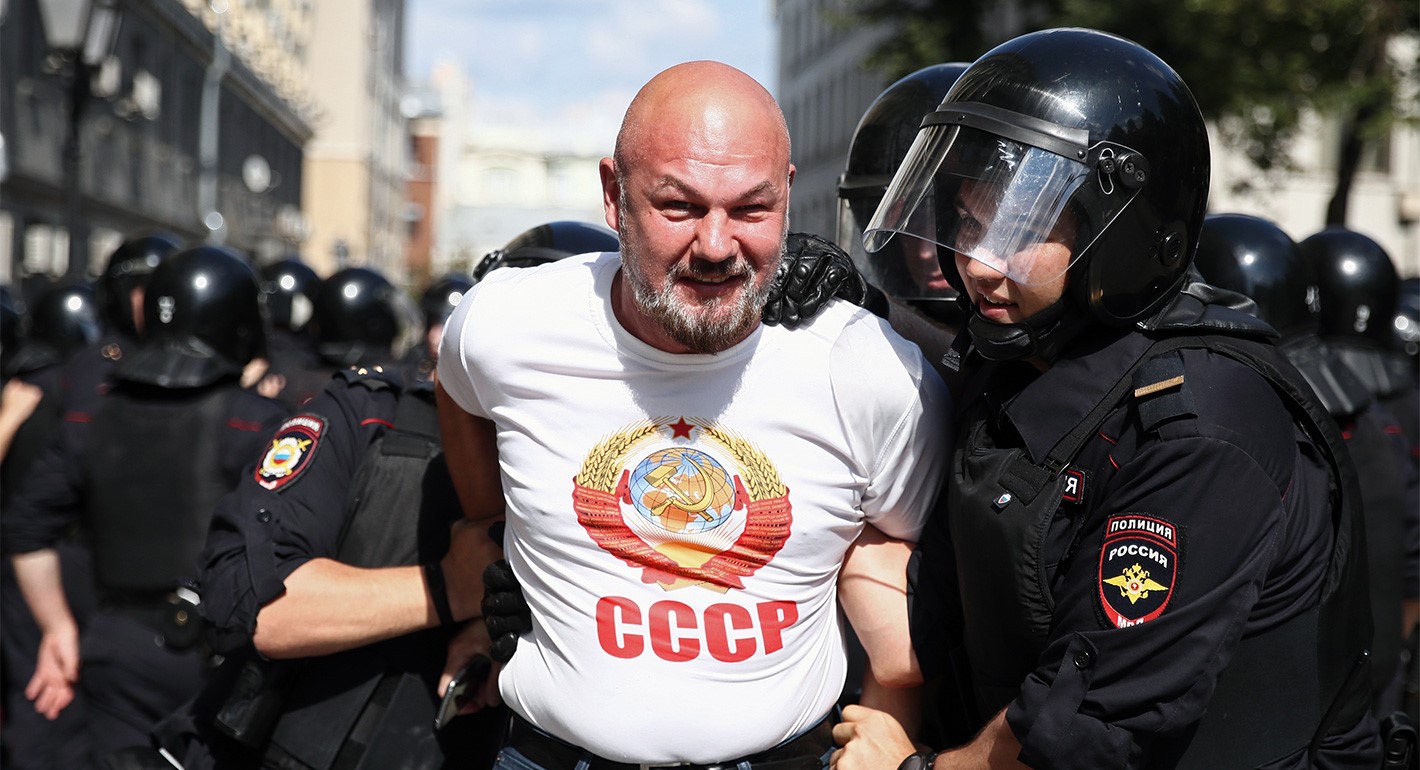
If the thirst for political change continues to gain momentum in Russia, a full-scale demand for political freedoms and alternatives may emerge quite soon.

Russians have a dream for their children and their grandchildren of a different environment that is favorable for entrepreneurship and private initiatives. This is where the true interests of Russians and their perceptions about the future diverge radically from the interests and perceptions of the state in which they live.

Most Russians are not ready to publicly recognize their country’s interference in other states’ affairs. But in less formal conversations, far more people allow for the possibility of such interference than polls show. This reflects Russians’ complicated relationship to their country’s political narratives and its standoff with the West.
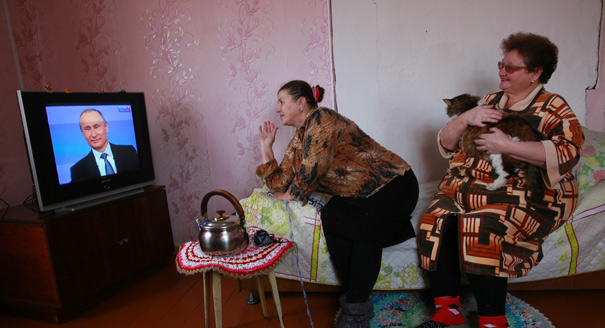
The approval ratings of Russia’s leaders and its institutions have been declining for more than three years. The erosion of popular support has been accelerated, rather than caused, by the unveiling of the government’s pension reform plan, and Russians are increasingly concerned by the state of not only their pensions but also their country’s foreign policy and its economy

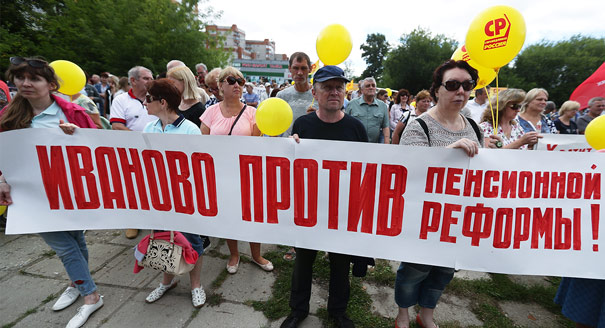
The government’s pension reform plan has shocked the majority of Russians, who, in focus group discussions, expressed confusion, fear, and frustration with the government, including President Vladimir Putin himself. Russians expect the proposed measures to pass. But they are also prepared to resist them in various ways, and they want concessions and guarantees of employment and healthcare, especially for society’s most vulnerable members.
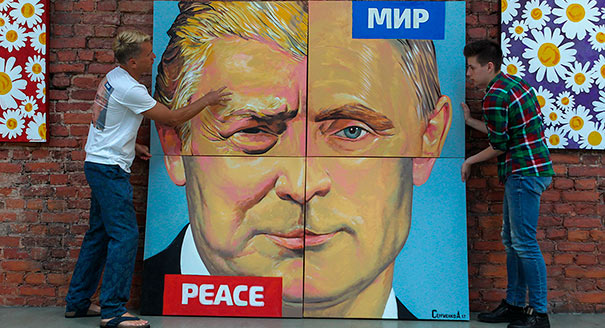
Opinion polls and focus groups show that, despite intense anti-American feelings in Russia, Russians do pin hopes on the Putin-Trump summit. They want to see a de-escalation in confrontation and a re-focus away from foreign affairs by Putin, and they want Washington to show respect for Russia.
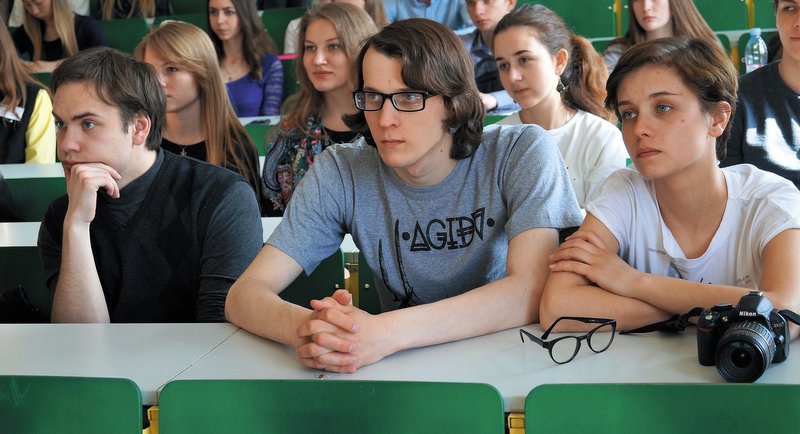
Most Russian citizens do not express a strong desire for sweeping change and do not have in mind a specific road map for reforms. And yet most Russians understand that the country cannot move forward, or even stay in place, without reforms.