Carnegie Moscow Center

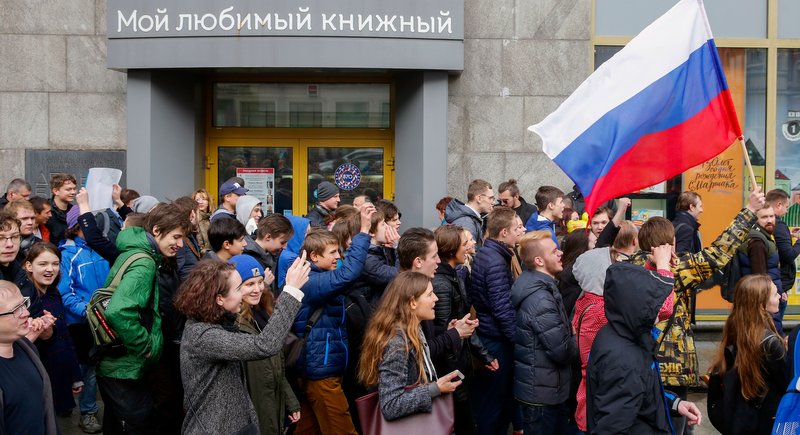
Russians do not express an overwhelming desire for change. Few understand how it could occur in their country. But most recognize that Russia cannot move forward without reform.
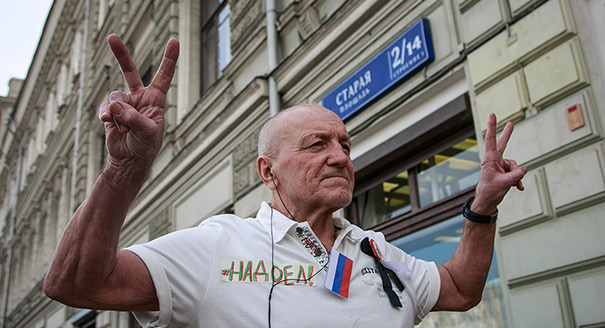
Sociological research shows that up to two-thirds of the population supports changes in Russia. But they are not necessarily the kind of changes that the democratic community likes to discuss, and the majority of those polled have no understanding of how their desired changes might come about.
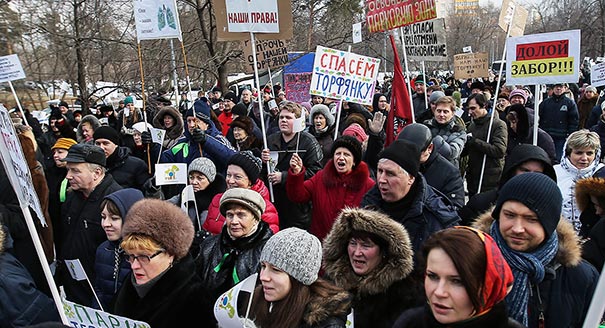
A localized civil society movement in Moscow is pushing for the government to curb unfair urban development practices and give residents greater autonomy over their own neighborhoods.
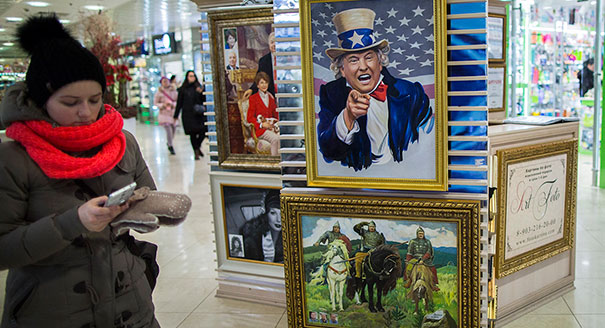
Russians’ fondness for Donald Trump doesn’t mean that anti-American sentiment has suddenly disappeared in Russia. But even though Trump’s election is unlikely to reverse decades of mistrust, his statements about improving relations with Russia have already had an impact on Russians’ attitudes toward the United States.
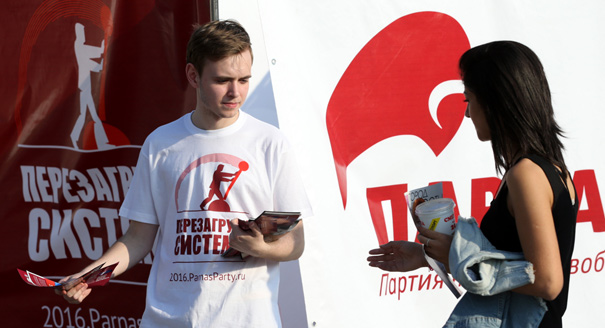
Russia’s parliamentary election campaign again dealt a crushing blow to the country’s liberal parties, which still believe the key to their success is appearing on television, whether in commercials or in debates. This is a losing strategy; liberals must learn to listen to the Russian people’s needs to garner support.
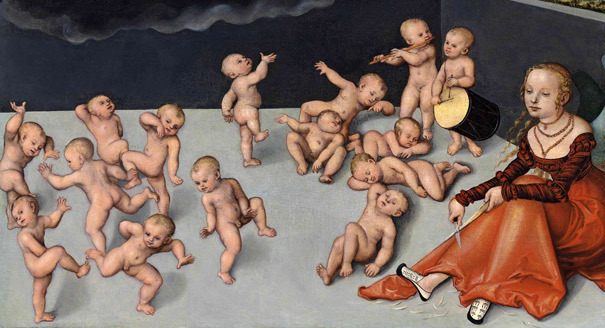
The annexation of Crimea in March 2014 fundamentally changed Russia’s political climate: support for Vladimir Putin’s regime rose and remains high, despite a certain cooldown in recent months. Discontent is building but remains far from boiling point, and we are unlikely to see large-scale protest voting or mass rallies in the parliamentary elections this fall.
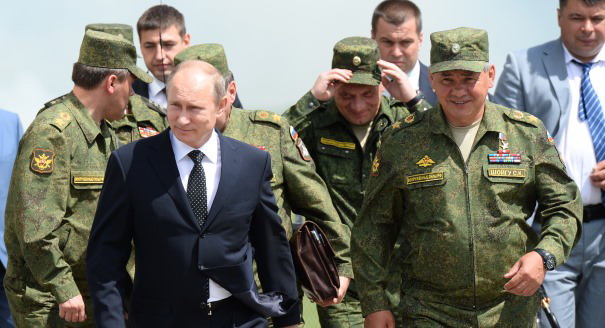
Information about the views of the Russian elite, a segment of the population that has grown increasingly guarded and circumspect during the 2000s, is hard to come by. Nevertheless, aggregate data analysis suggests some conclusions about key features of elite opinion following Russia’s annexation of Crimea in 2014.
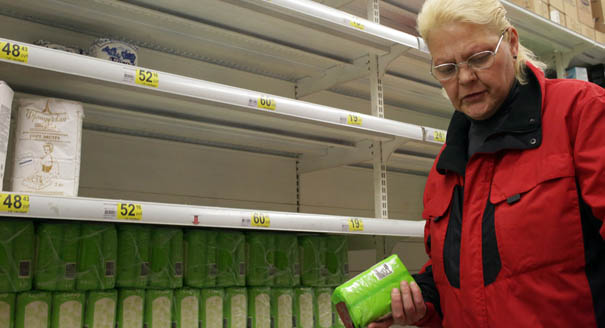
Thus far, the Russian government has been able to quell popular discontent over the ongoing economic crisis. But time is running short: in a year and a half to two years, the Kremlin will have a real crisis on its hands.
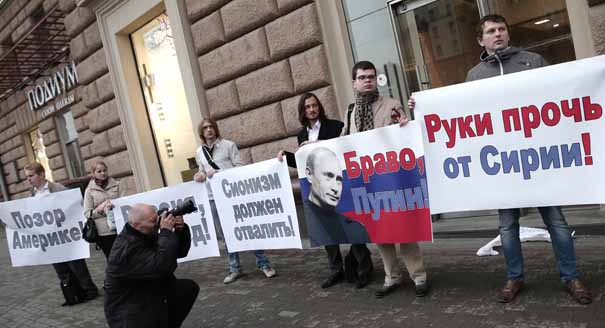
Little more than a week into Russia’s bombing campaign in Syria, new evidence has emerged about the Russian public’s attitudes towards Putin’s latest military intervention.
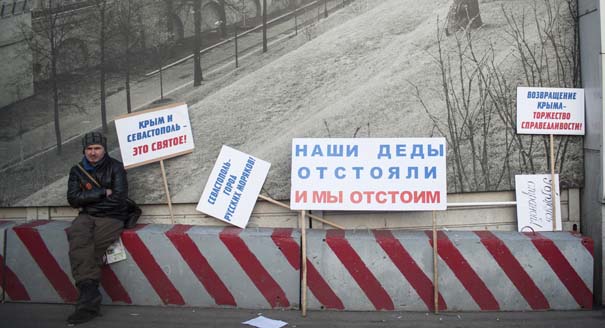
Russian public opinion polls since the beginning of the Ukraine crisis reveal a contradiction: ordinary Russians are against war and intervention abroad. But a skillful television propaganda campaign has persuaded them that in Ukraine they are helping their own and opposing Western designs against them.