Carnegie Moscow Center


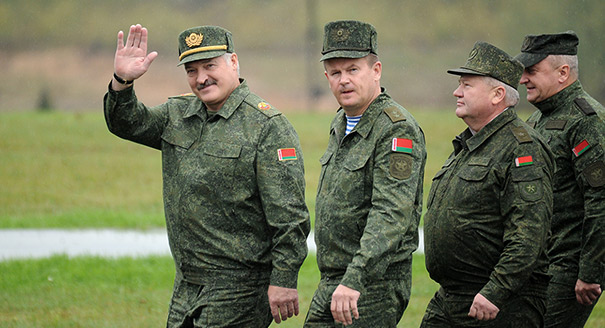
In the past few years, Minsk has started citing Russia as its main threat—but only as a theory intended primarily for external consumption. Now it has been dangled before domestic audiences.

Belarus’s newfound role as a peacemaker has helped Minsk gain previously unimaginable freedom of maneuver with both the West and Russia. Minsk will likely continue to defend and uphold its status as a mediator, even if warring parties do not want to negotiate.
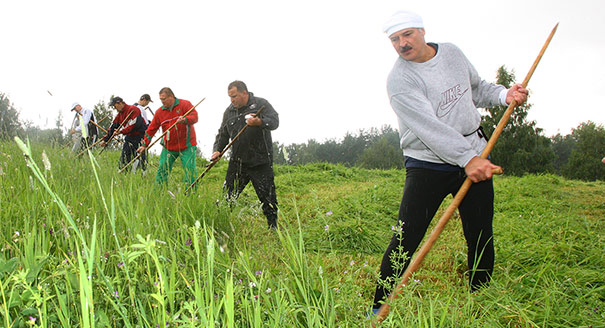
Alexander Lukashenko has built a highly consolidated, adaptive authoritarian regime. Examining how the Belarusian political system is structured and how its relationships with its citizens, Russia, and the West have evolved may help shed light on possible paths that Minsk could take as Lukashenko ages and economic challenges continue to mount.
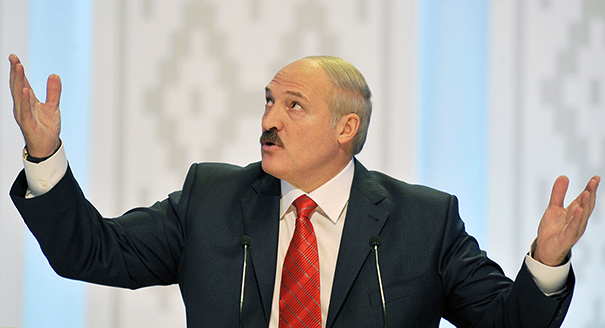
Alexander Lukashenko, who used to take offense at not being invited to the Eastern Partnership summits, declined an invitation to last month’s summit. This clearly demonstrates that the initiative has lost its value even in the eyes of its members, but it doesn’t mean that closer cooperation is impossible for Belarus and the EU. Both parties are simply coming to the realization that quick breakthroughs won’t happen.
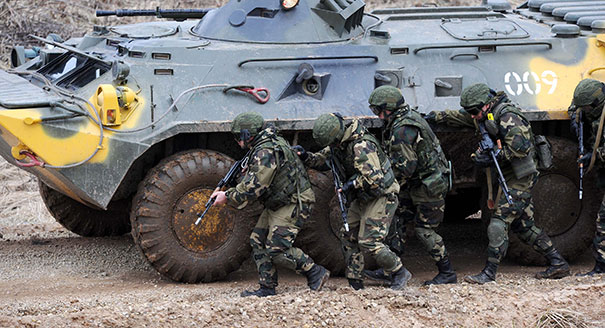
Despite all the reputational risks posed by its war games with Russia, Minsk is trying to reap diplomatic benefits from them. The Belarusian military can show Western observers that Minsk’s guarantees can be trusted. On the other hand, it can convince Moscow that the country isn’t “going down the Ukrainian route,” because it isn’t afraid, despite the West’s concerns, to carry out major exercises with Russian forces.
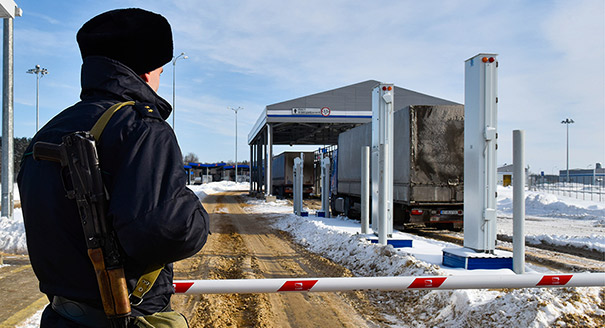
The dispute over newly established security zones on the Russia-Belarus border reveals that Moscow no longer sees Minsk as a reliable defense partner.
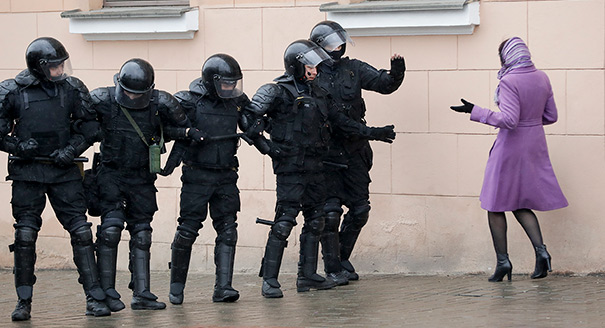
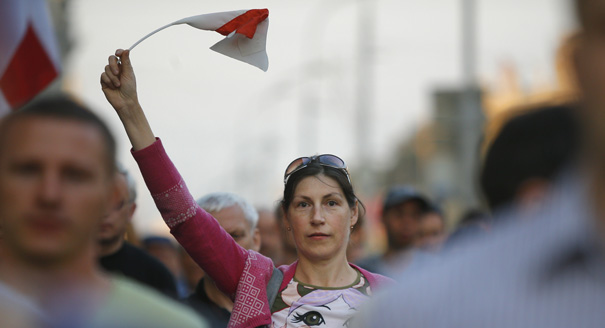
The West’s reaction to the crackdown on protests in Belarus has so far been muted. Brussels noticed that Belarusian siloviki showed at least some restraint in their response, which indicates that all is not lost. Western diplomats don’t want to throw away years of progress toward convergence with Minsk because of something that could be written off as a brief spark of rage.
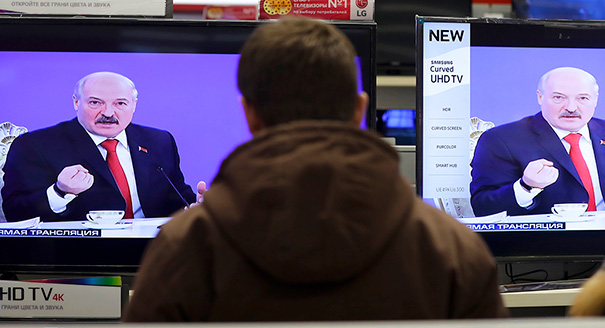
Even if Minsk and Moscow are able to resolve their current dispute, the standoff will go down in history, at least in Belarus. After Belarus’s declaration of independence and the creation of its state infrastructure—its bureaucracy, currency, and armed forces—this conflict will be one of the most important stages in the country’s movement away from Russia.
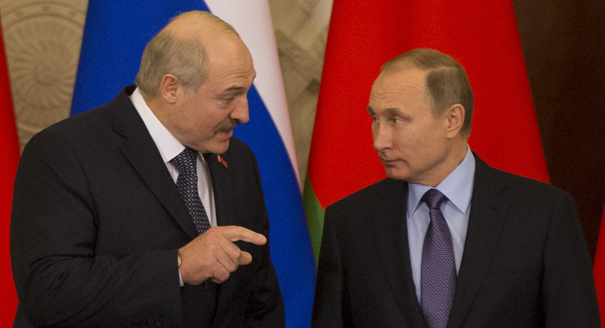
Russia and the West are less and less willing to compromise with Belarus. Both know that Belarus is in a weak negotiating position and are demanding more of Minsk than ever before.
In light of Minsk’s strict control over the electoral process, the election of two oppositionists to Belarusian parliament suggests that President Alexander Lukashenko is looking to improve relations with the West. How far will he go?