Carnegie Moscow Center


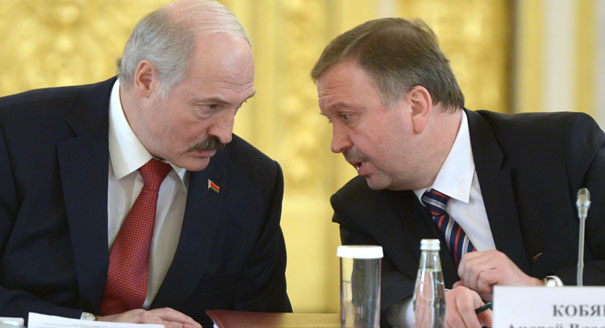
Belarusian President Alexander Lukashenko and his administration have increasingly divergent views about reform. Why hasn’t Lukashenko sacked his freethinking ministers? Is “Europe’s last dictatorship” actually liberalizing?
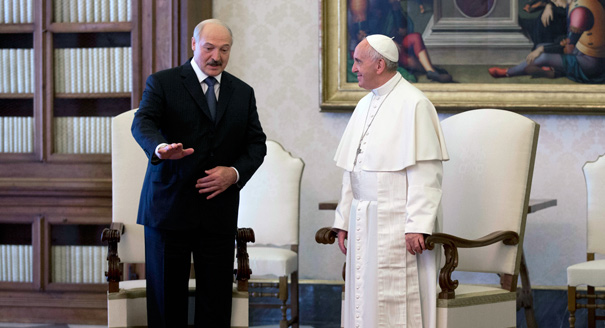
Lukashenko has used a recent audience with the Pope as a way to enhance Belarus’s ties with the West. But the West no longer expects Minsk to be a close ally and to embrace European standards. Instead, it’s expected to be a source of stability. This mismatch in expectations will soon come to a head and the rapprochement will grind to a halt.
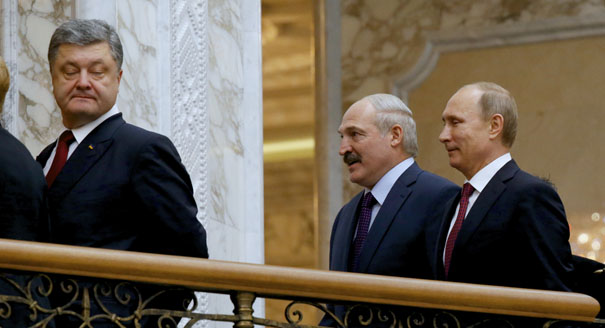
Belarusian leader Alexander Lukashenko has contradicted himself several times on the issue of the status of Crimea. His ambiguities have helped him to maintain good relations with both Russia and Ukraine, and to forge a new relationship with the West.
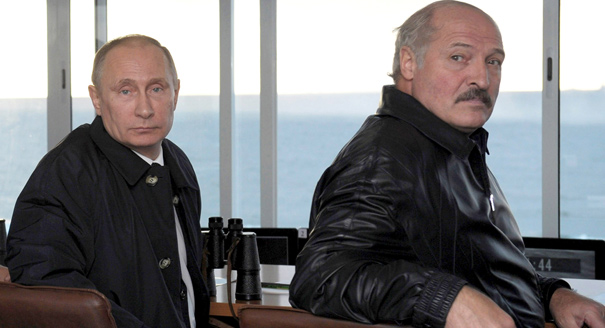
Lukashenko’s fortunes have changed. Once known as “Europe’s last dictator,” he has won friends in Europe, while antagonizing his traditional ally, Russia. It’s a situation that has left the Kremlin in a difficult positon: should it punish Belarus for its pro-Western tendencies? Or should it continue to prop up the Belarusian economy rather than risk further unrest in the region?