Carnegie Moscow Center

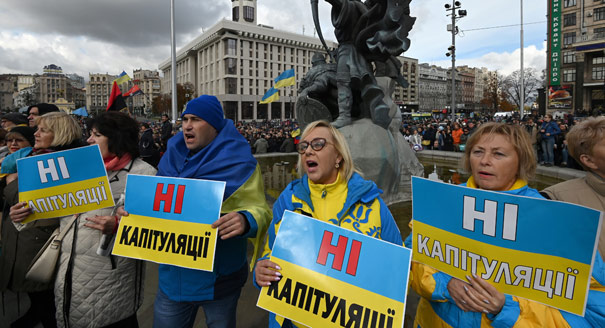
Street protests in Ukraine and the threat of destabilization are working to strengthen the authoritarian tendencies of President Zelensky’s rule. He sees that everywhere he has not managed to install his power vertical and his people, the seed of chaos and sabotage is germinating.
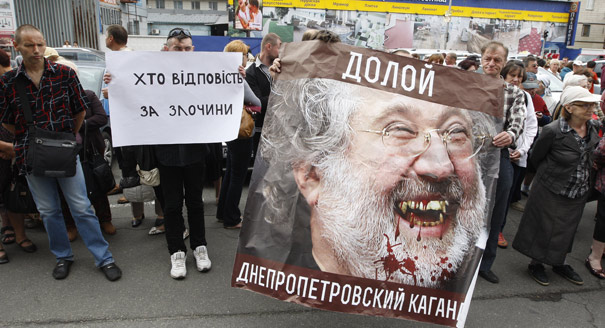
Kolomoisky has been making use of his ambiguous position as the future president’s business partner since the very start of Zelensky’s election campaign, but this didn’t prevent Zelensky from sweeping to victory in the elections. Now, however, the trickster oligarch is becoming increasingly toxic for Zelensky’s team, not only within the country but also abroad.
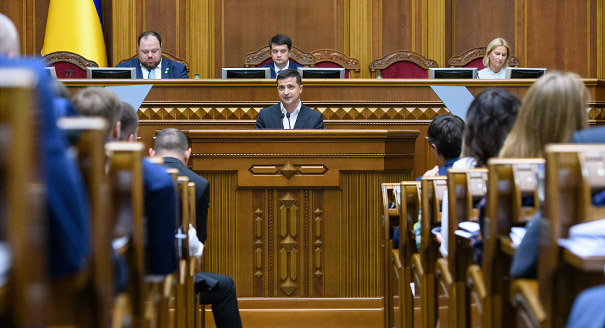
The new Ukrainian government’s main problem is the harsh reality awaiting it. The majority of the new ministers—progressive young idealists who have studied at Western universities, founders of successful startups—may not be sufficiently familiar with the conditions of everyday life in the country away from the post-industrial digital economy clusters. A collision with that reality could be a shock, both for the reformers themselves and for Ukrainian society, which is desperate for immediate change.
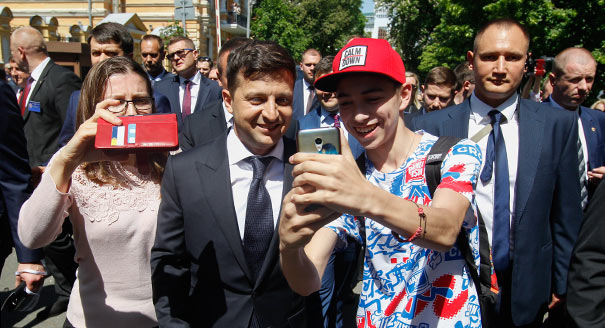
Under President Zelensky, the decisionmaking center is being dislodged to make way for the president himself and the circle of people close to him. The role of the government will be reduced to that of technical implementation, while the new parliament, with its single-party majority and weak opposition, will also lose a lot of its former influence. This style of ruling is more akin to a super-presidential republic than the parliamentary-presidential model customary for Ukraine.
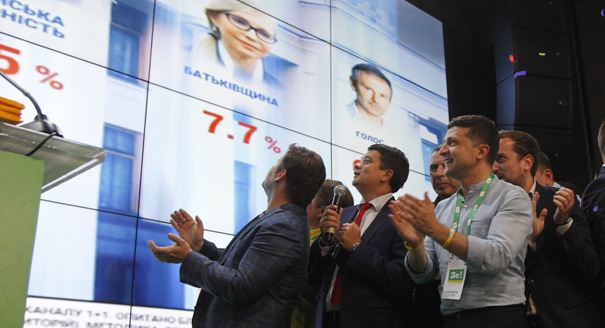
No other president in the history of Ukraine has had such resources under his control while facing such a weak and fragmented opposition and enjoying such enormous popularity among his compatriots. In this new reality, a “velvet usurpation” with the consent of most of the population no longer seems like an impossible outcome, nor does the expression “comic dictator” seem like such an oxymoron.
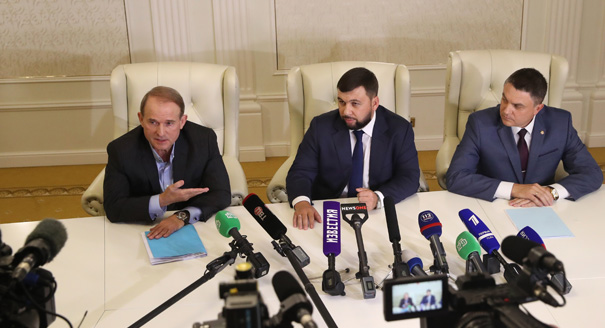
The schism in the pro-Russia camp is preventing the return of the political model of two Ukraines, a model that is the perfect breeding ground for politicians who boost their ratings by fanning the flames of the interregional confrontation in the country. Typically, the same thing is happening in western Ukraine, too, where unity in the pro-European-patriotic camp has been splintered by rivalry between former president Petro Poroshenko’s European Solidarity party and rock star Svyatoslav Vakarchuk’s Holos (Voice) party.
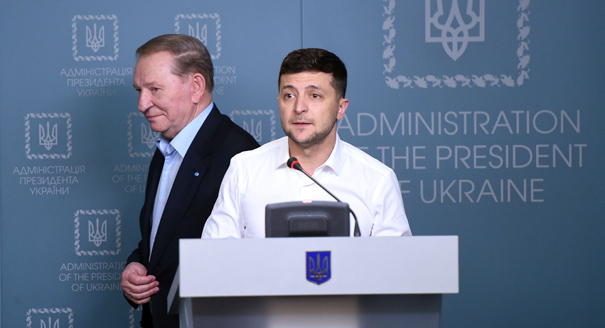
Zelensky is trying to find balance on the incendiary issue of the Donbas. During his visits to Europe, he adhered carefully to the previous foreign policy line, calling on European leaders to keep up pressure on Russia through sanctions. But at home, he is more open to compromise, and is trying to find allies among the oligarchs.
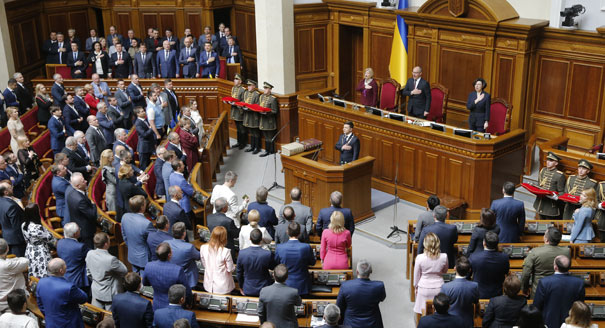
In calling early parliamentary elections, Ukraine’s new president is clearly hoping for yet another round of voting against the current authorities, in which the party system of the last five years will be defeated. But in destroying the system of checks and balances based on the “corrupt consensus” of oligarchic groups, Zelenskiy risks getting carried away and crossing the line into usurping power.
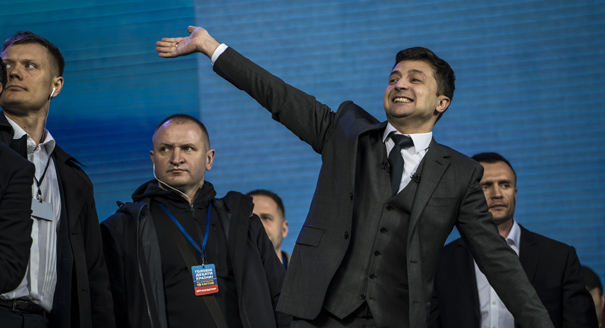
Ukraine’s president-elect Volodymyr Zelensky has formulated his ideal country as one that is neither a “corrupt partner of the West,” nor “Russia’s little sister.” This pragmatic kind of civil patriotism is close to the hearts of most Ukrainians, for whom the most important task right now is to fix the country’s domestic problems following the crusade-like presidency of Petro Poroshenko.
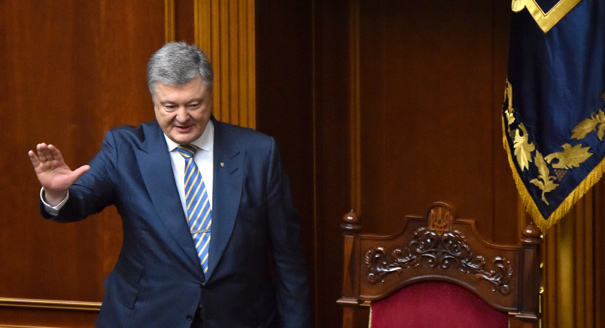
With polls showing incumbent Ukrainian President Petro Poroshenko heading for a major defeat in the runoff election, governors and ministers are looking for contacts with the likely winner and his team. The president has fired a series of governors to send a warning to the rest. But the message is too late and not convincing.