Carnegie Moscow Center

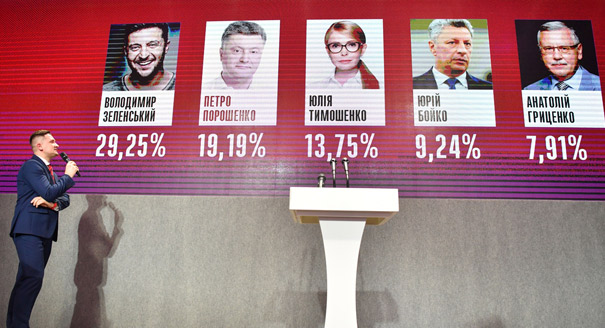
The clash between the new populism of Zelenskiy, who staked everything on Russian-speaking Ukraine, and Poroshenko’s national-patriotic conservatism is leading to a partial resumption of the old standoff between the two Ukraines.
Ukraine votes for a president on March 31. Will the pro-Western incumbent, Petro Poroshenko, win? Or will he lose to his old foe, Yulia Tymoshenko, or wild card Volodymyr Zelenskiy?
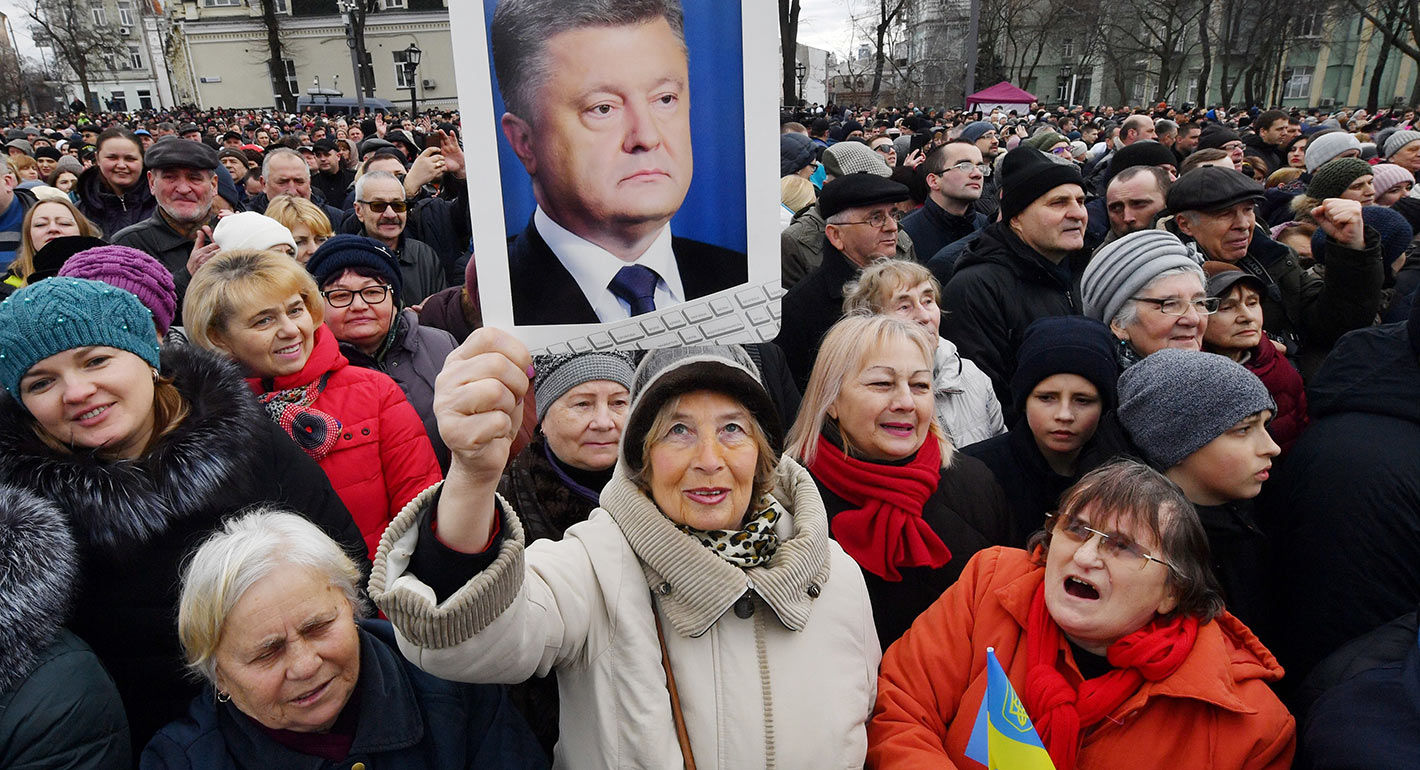
For Ukraine’s patriotic voters, the war with Russia is the defining issue in the upcoming presidential election. The country is choosing a leader at a time when being the commander in chief is not simply a title and honorary regalia, but the president’s primary responsibility. This factor may win incumbent President Petro Poroshenko a second term.
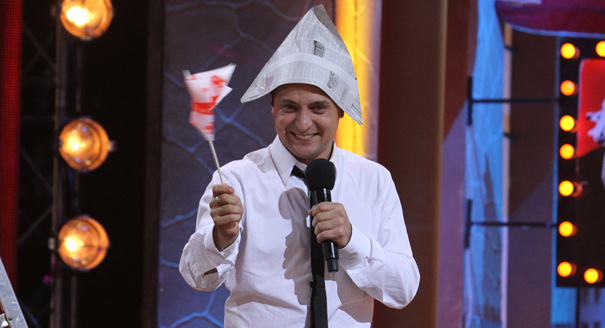
After throwing his hat into the Ukrainian presidential race, popular comedian Volodymyr Zelensky will likely attempt to woo the country’s Russian-speaking southeast. That will make the race more difficult for incumbent Petro Poroshenko and front-runner Yulia Tymoshenko. It will also challenge Russia, using ideas amenable to the Kremlin to undermine its favored candidate.
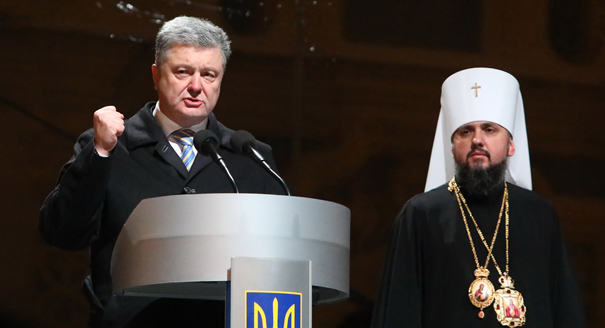
President Poroshenko is making use of the newly created Orthodox Church of Ukraine for political ends. The new church may become a state-sponsored church, while the pro-Moscow church could present itself as a marginalized persecuted entity.
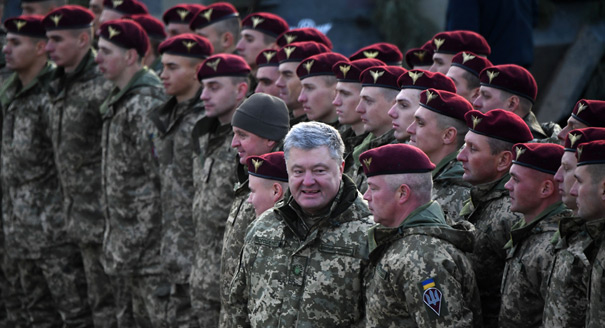
President Poroshenko’s partial declaration of martial law may be a short-term success for him. But much of the Ukrainian public is skeptical of his intentions.
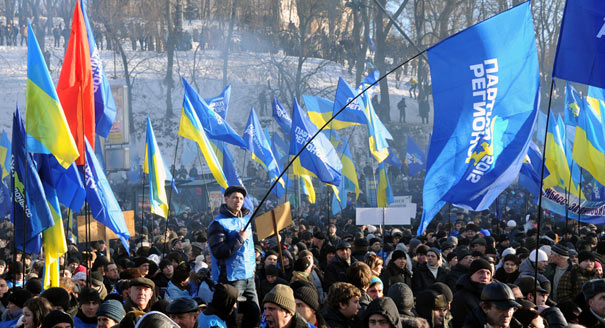
Ukraine’s pro-Russian opposition is targeting next year’s parliamentary elections, not the presidential ones—so is Russia. But they cannot agree among themselves on who their leader should be and what their strategy is.
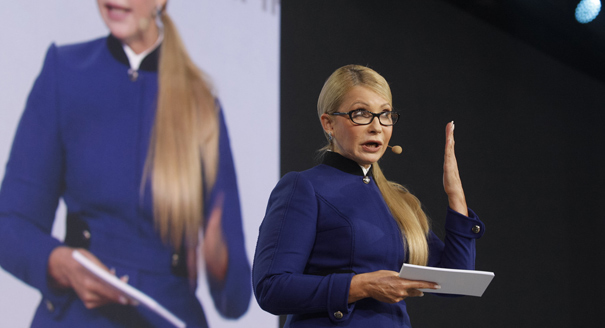
Russia’s recent imposition of sanctions on Ukrainian politicians and businessmen is all about Ukraine’s upcoming presidential election. No, the Kremlin isn’t trying to get Ukrainian oligarchs to back a hypothetical pro-Moscow candidate. Rather, this is a misplaced attempt to restore the pre-war status quo, consolidate the elites of Ukraine’s notorious southeast, and end the war that hinders the business community.
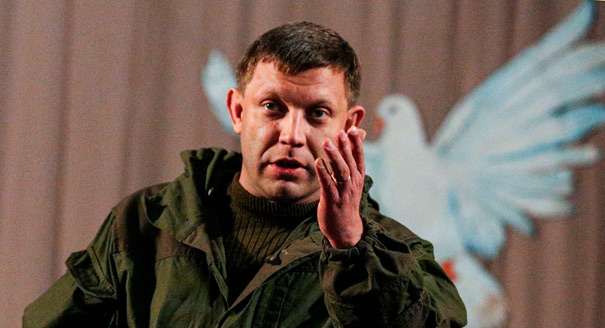
Former Ukrainian security service officer Alexander Khodakovsky is a leading candidate for the leadership of the Donetsk People’s Republic (DPR). His appointment would be in sync with the current trend of replacing popular leaders with in-system security officers. The move would close a chapter in the revolutionary history of the DPR, and would indicate that Moscow is prepared to reintegrate Donbas into Ukraine and transfer power in the unrecognized republics to leaders who are more acceptable to Kiev.
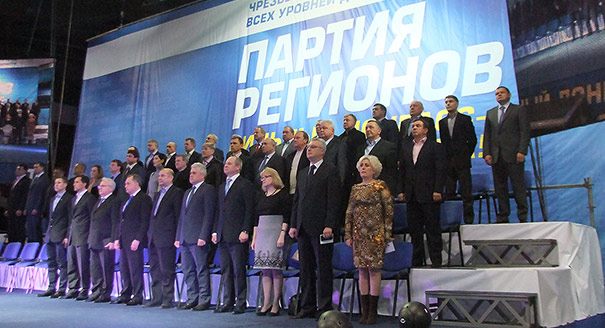
The power vacuum caused by the Maidan protests of 2014 allowed marginal political figures in the Donbas to capitalize on longtime discontent with the omnipotent Party of Regions and its local bosses. Almost none of the former regional leaders managed to find a place in the new political reality, but their authoritarian model left a useful blueprint for the new leaders of the Donetsk and Luhansk people’s republics.