Carnegie Moscow Center

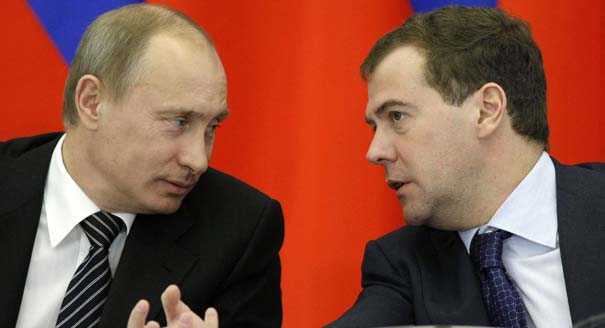
The mayoral election in Sochi on April 26 marks a serious turning point in Russian politics; competition, both from the opposition and from within the party of power, is becoming more intense.
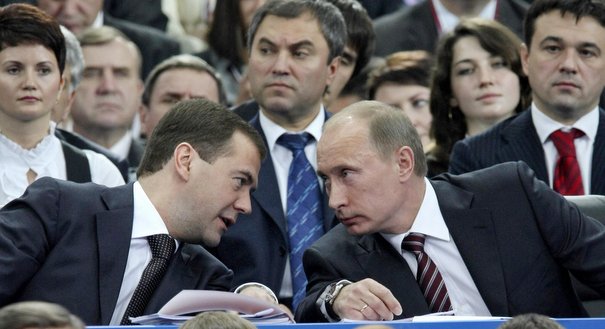
The recent gubernatorial changes in Murmansk showcase that governors are increasingly judged by to their loyalty to the Kremlin, rather than how effectively they can manage their region.
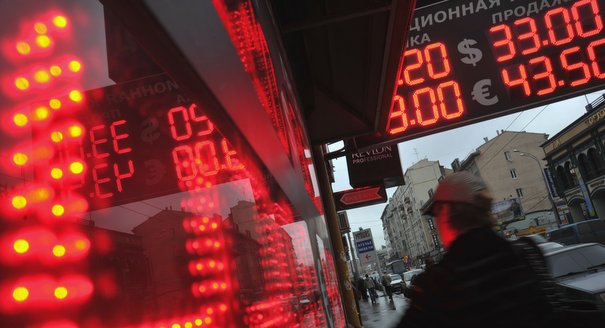
If Russia’s regions are to weather the financial crisis, both local and federal governments need to support and protect small businesses.
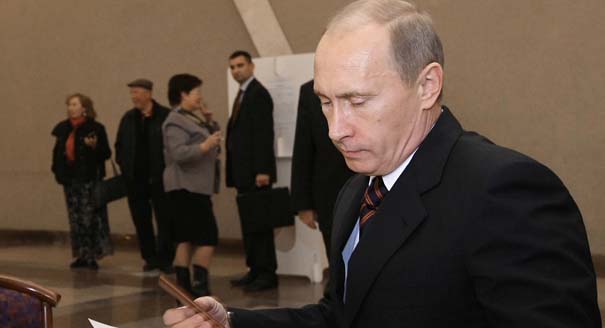
The results of Russia's recent regional elections are of less importance than the fact that United Russia is gradually transforming from a monolithic bureaucracy under strict Kremlin control into something resembling a true political party.
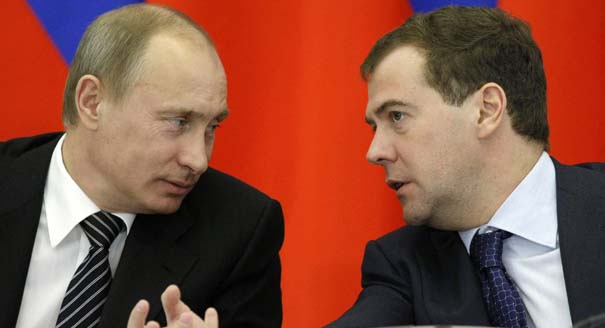
Dmitry Medvedev's recent surge in official activity is simply a PR ploy to shift focus away from Vladimir Putin as Russia's financial crisis deepens. It does not indicate any serious political or personal changes.
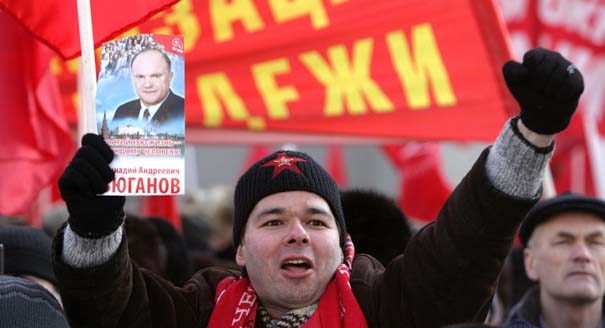
As protests against Moscow spread throughout Russia, regional governors loyal to the Kremlin, but lacking proven leadership skills, may be unable to meet the challenge posed by angry citizens.
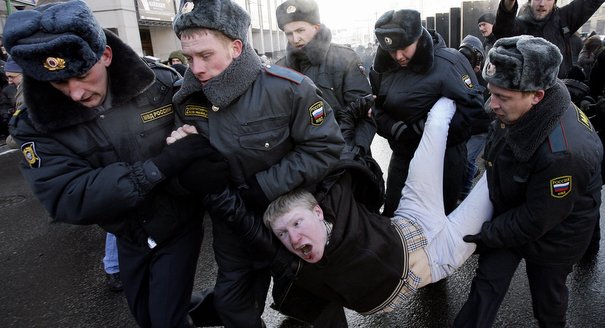
Recent Russian protests are likely meant to test the response of the authorities rather than indicate people have reached their breaking point.
The severe economic crisis in Russia is currently spilling over into the political and administrative spheres. However, the government is not responding properly. Instead of improving administration effectiveness, the Russian government is simply reshuffling regional heads. In economics, the Kremlin is putting unneeded burden on businesses and regional governments.
Weakened by the economic crisis, President Medvedev and the Kremlin do not want to risk any chance of allowing popular dissent to develop in Russia's regions. But by attacking its opponents the Kremlin is showing its helplessness. Before the crisis it had hoped to modernize the country, now it must resort to damage control.
In his first—and possibly last—state-of-the-nation speech, President Medvedev seemed to focus on returning Putin to the Kremlin instead of adequately addressing Russia’s troubled economy. It is clear from the address that the president intends to increase United Russia's dominance by increasing its control over both the regional elite and the government.