Carnegie Moscow Center


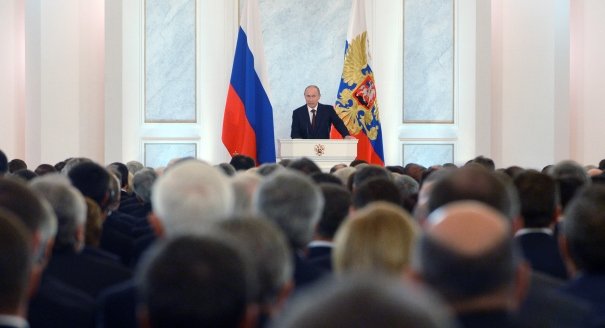
The Kremlin recognizes that decentralization is both necessary and inevitable, but Putin’s proposals for the Russian regions demonstrate that the regime is not quite ready to make decentralization a reality.

Russian society is waking up and pushing back against Putin’s brand of authoritarianism, with the potential to bring about a transformation of the system into one based on the rule of law.

The Kremlin is unlikely to agree with all of the Institute for Social, Economic and Political Studies’ proposals for improving the gubernatorial election process.

If the Russian authorities want to gain a free hand in implementing their social and economic measures, they must first extricate themselves from the current political crisis.

The recent regional elections have shown that rather than making the political system more open and competitive, the Kremlin has found new ways to outmaneuver the opposition while maintaining its hold on power.
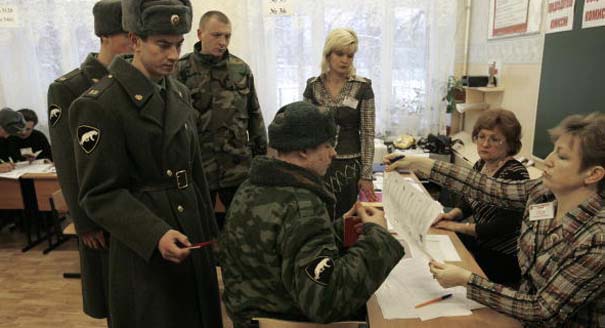
On the eve of regional elections, the authorities have responded to protesters' demands for a more competitive and transparent political process by employing ever more sophisticated tricks to retain their hold on power.

Inter-religious and interethnic relations are rapidly deteriorating in Russia, but the authorities lack the programs to cope with them, the mechanisms to create new programs, and the realization that both are urgently needed.

The Kremlin's proposed anti-corruption campaign will serve to bind the bureaucracy together in order to avoid disloyalty, with the main goal of redistributing the wealth of the elites among their members.
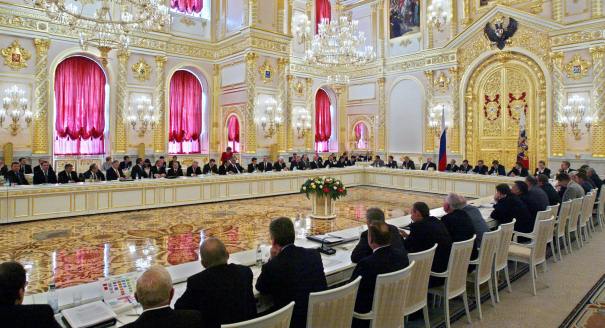
The Kremlin is implementing counterproductive changes in relations between Moscow and the regions that offer little promise of improving the situation in the country.
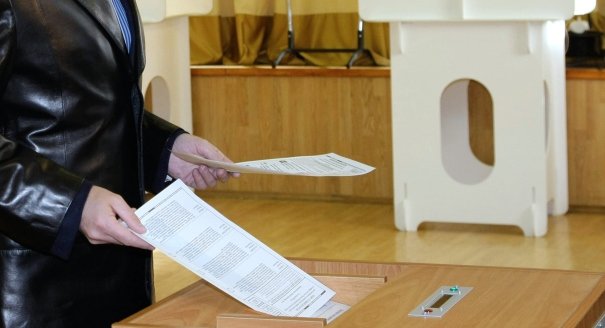
The current three filter system for gubernatorial elections not only aggravates the opposition and fails to vent mounting social pressure, but it also strengthens the position of incumbent governors.