Carnegie Moscow Center

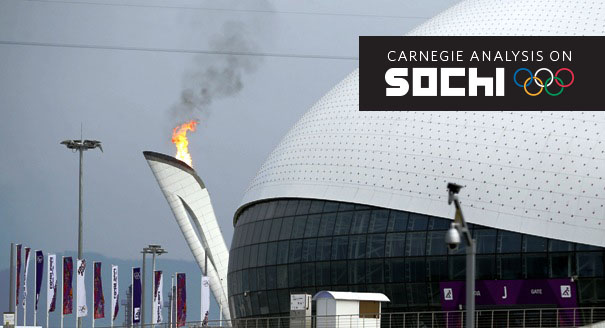
The Sochi Olympics turned out to be a trap for Vladimir Putin. Instead of being a symbol of his glorious leadership, Sochi is becoming a symbol of corruption and instability.
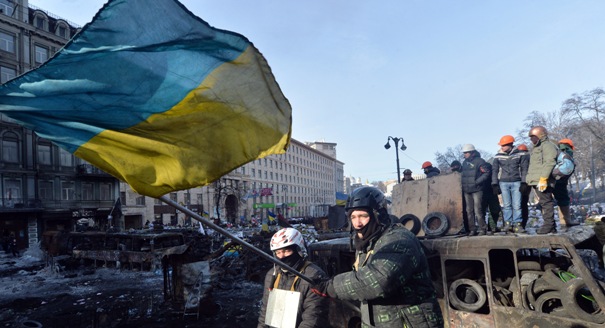
Ukraine is in for a long ordeal that has just begun. The previously dormant segments of Ukrainian society are getting involved in the protests. Meanwhile, the regime is ready to defend itself by any available means.
Since the crisis in Ukraine is climaxing, the Munich Security Conference will have to deal with the Ukrainian question. The Munich event that was supposed to be devoted to security problems takes on a larger significance—it is supposed to raise the question of civilizational split.
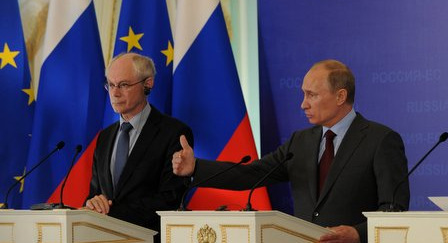
The Russia-EU summits are basically a relic of the 1990’s when there was still hope to integrate Russia into Europe’s normative framework. Now it is high time to end the protocol routine and move on to expert negotiations on specific issues.
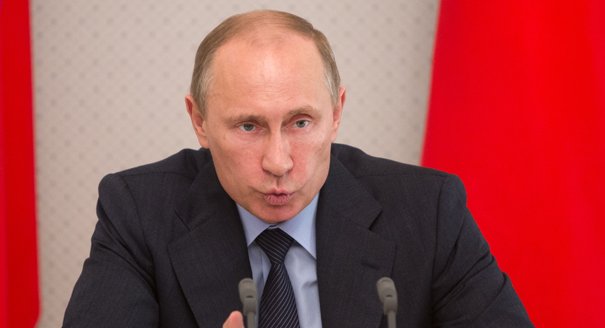
As the Kremlin confronts a weakening of the props that have enabled it to maintain power, Putin has turned to imperialism as a support for Russian authoritarianism.
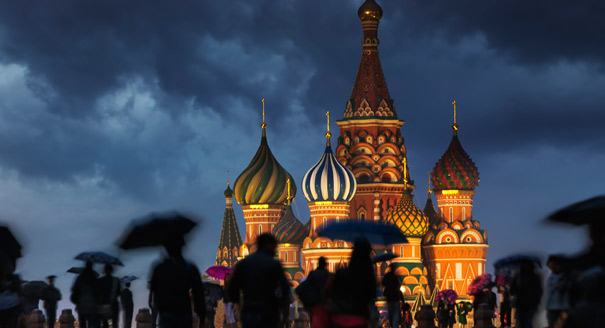
The Russian system of autocratic rule has been exhausted. Still many factors help delay the deterioration of the crisis. So Russia is waiting for its Godot, that is for someone to come, either from up on top or down below, to solve all problems for it.
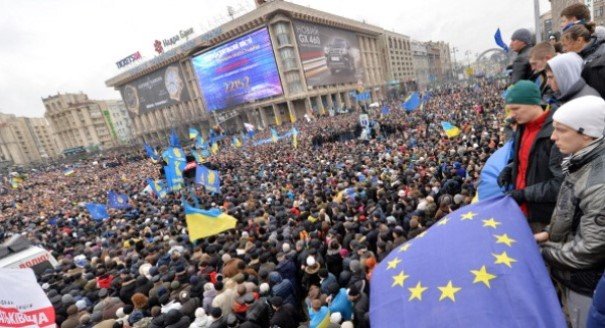
Victor Yanukovych has presented his nation as a gift to Vladimir Putin, but the Ukrainian people have gathered in Kiev’s Independence Square to resist this move. Violence is still possible, and more is at stake than just the political future of one country.
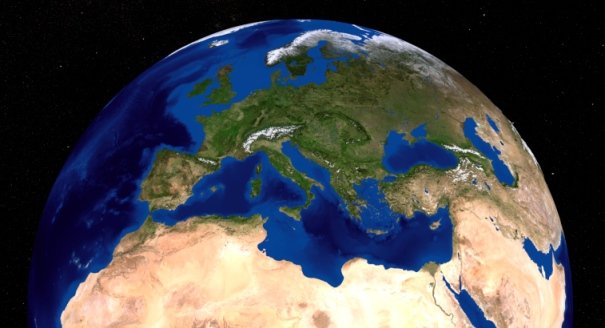
Understanding that the world has found itself in a period of interregnum, or “time without a trajectory,” is the key legacy of 2013.
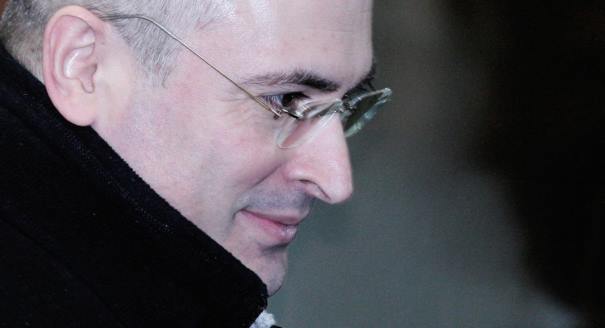
Putin’s pardon of Khodorkovsky is the demonstration of the absolute power of the Russian president who enjoys his omnipotence and who has found one more way to demonstrate it.
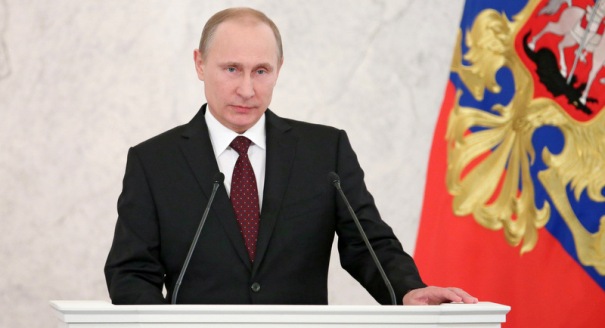
Vladimir Putin’s address to the Federal Assembly means that the president has exhausted himself and can no longer find a single thought or idea that would suggest that he is staying in the Kremlin because he still has something to offer Russia.