Carnegie Moscow Center

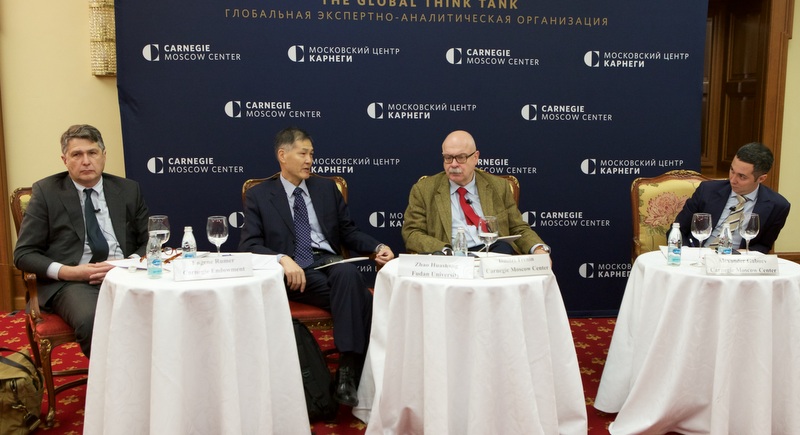
Carnegie Moscow Center organized a conference on contemporary issues in Central Asia.
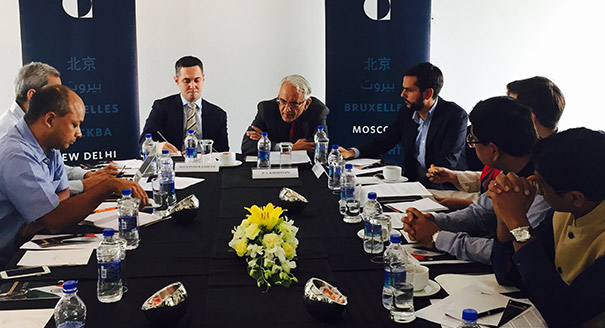
By reaching out to Asian powers, especially China, Moscow is trying to replace the West as a source of capital and investment, as well as a major market for Russian exports.
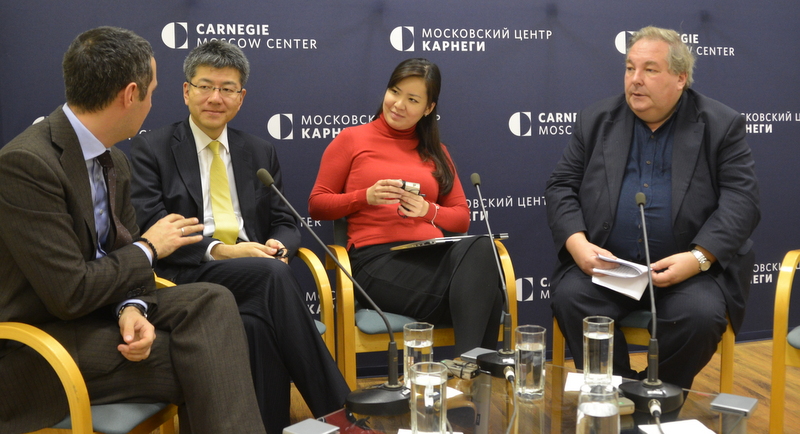
Carnegie Moscow Center hosted a discussion about the current situation in Southeast Asia and the potential of Russian-Japanese cooperation in the region. The discussion was organized jointly with the Institute of Oriental Studies of the Russian Academy of Sciences.
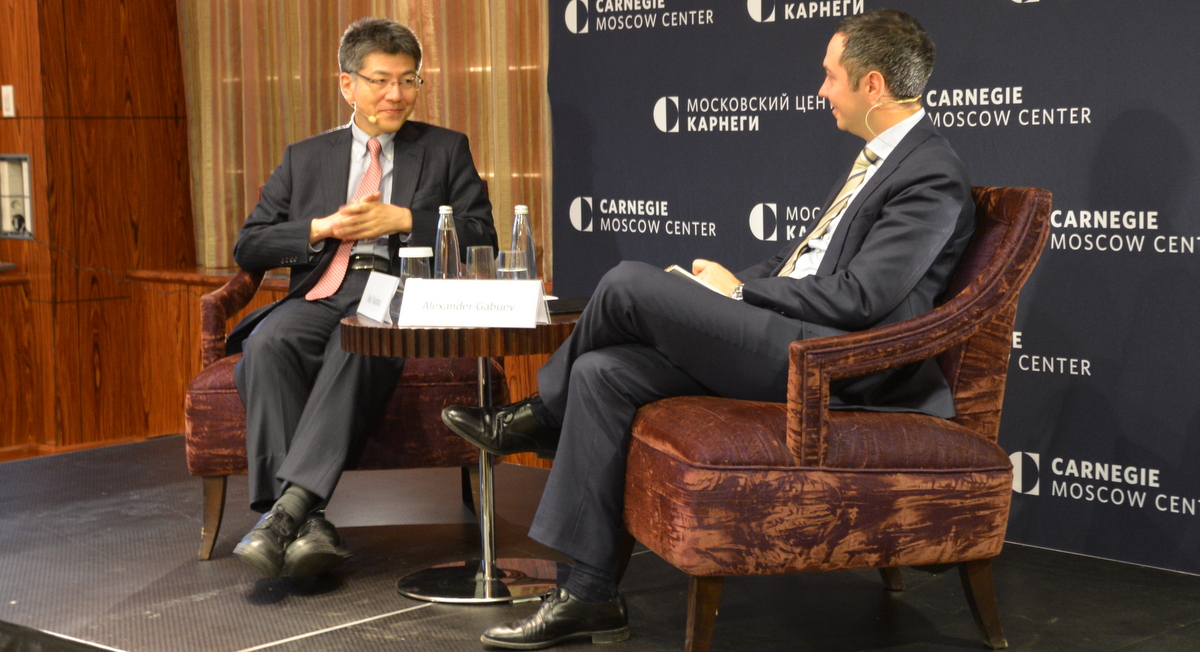
Carnegie Moscow Center hosted a discussion about key trends in the development of modern China and potential consequences of the 19th National Congress of the Communist Party of China.
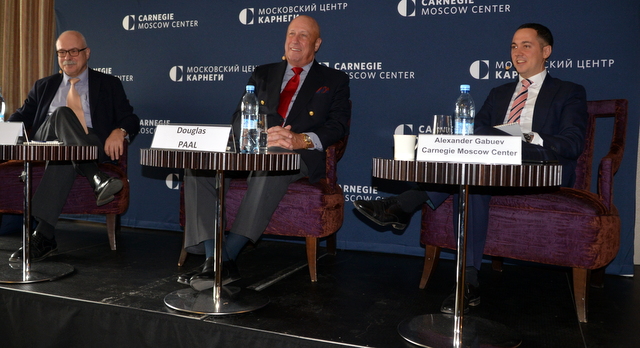
The Carnegie Moscow Center hosted a discussion about the strategic future of U.S.-Chinese relations.
The Carnegie Moscow Center hosted a discussion about the role of history in the contemporary development of Russian-Japanese relations.
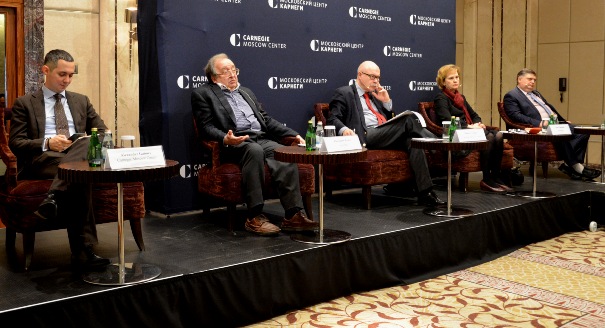
In partnership with the Russo-Japanese Business Council, the Carnegie Moscow Center hosted a panel discussion on the prospects of Russo-Japanese relations prior to Prime Minister Shinzo Abe’s visit to Sochi and his talks with President Vladimir Putin.
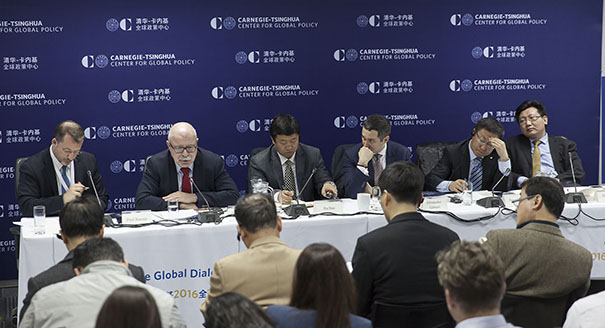
Geopolitical circumstances have prompted Russia to forge closer ties with China, but behind the warming façade, the two countries’ differing goals could create new sources of tension across Eurasia.
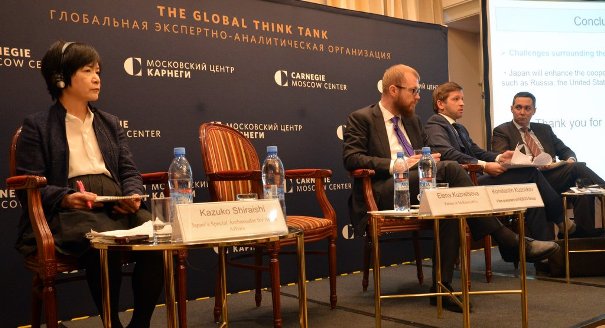
The conversation addressed the overlapping national interests of Moscow and Tokyo in the Arctic, possible opportunities and roadblocks for Japanese investment in the development of the Northern Sea Route, and business projects in the Russian Arctic, as well as security challenges and ways to mitigate them.
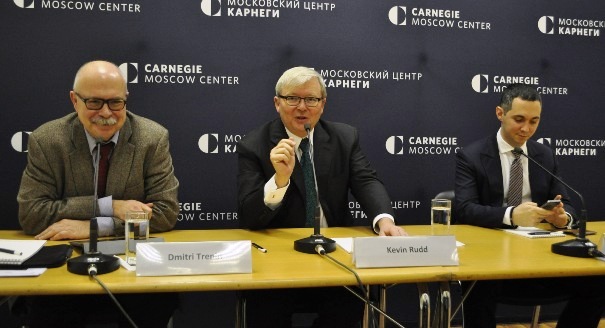
Xi Jinping’s foreign policy is much more proactive than his predecessors, driven by his desire to complete the transformation of the Chinese economy and pursue the China Dream.