Carnegie Moscow Center

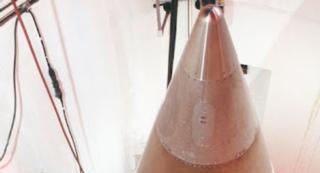
The Obama administration’s decision to abandon plans to deploy a European ballistic missile defense system has helped sooth relations with Russia and provided an opportunity for U.S.-Russian cooperation on missile defense.
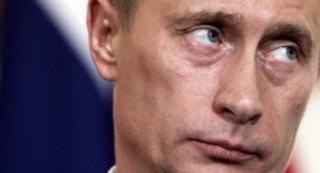
Although Prime Minister Putin’s eighth annual call-in show was much livelier than the typical state television coverage of the government’s public policy, it will take much more than a yearly show to establish a genuine two-way dialogue between the government and the people.
In response to the diverse challenges facing the region, the Euro-Atlantic Security Initiative—an international commission to build the intellectual framework for an inclusive transatlantic security system for the 21st century—has been launched.
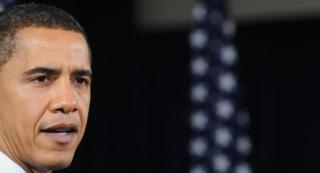
While a Nobel Peace Prize seems the occasion to address an international audience, Obama must use this opportunity to speak to his domestic constituency on the three great present challenges to world peace: nuclear proliferation, climate change and the allure of radical Islam.
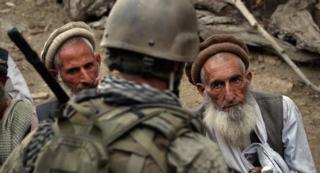
In his long-awaited address, President Obama presented a series of objectives but no clear strategy. His plan will likely leave Afghanistan looking worse than it does now.
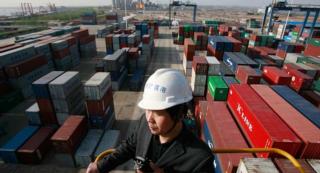
As Asian countries seek to maintain trade advantage by manipulating their currencies, the United States and Europe, who have little room to devalue, may respond with protectionist measures that will hurt global trade.
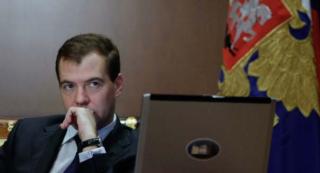
Russian President Medvedev’s draft Treaty on European Security aims to create an undivided Euro-Atlantic security space and bury the legacy of the Cold War. It is a positive step, but concrete action is needed to reconcile the differing interests and potential tensions of the parties involved.
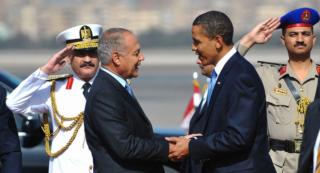
The Obama administration must engage in a new type of dialogue with the Middle East, one modeled after the process used to improve relations with the Soviet bloc, if it wants to have any chance of impacting political reform in the region.
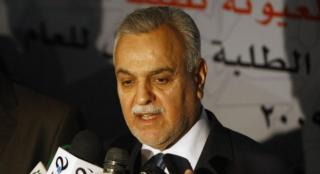
One of Iraq’s vice presidents, Tariq al-Hashemi, has vetoed the country's new election law, threatening to delay elections which according to the constitution must happen by the end of January 2010.
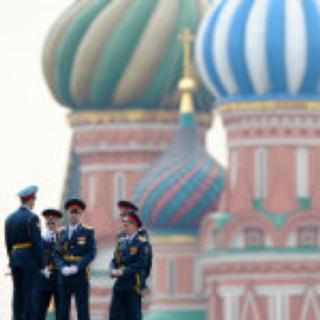
Signs of strength are emerging in the Russian economy, aided by increasing exports, oil prices, and industrial production. However, weak domestic demand may hamper the recovery’s sustainability.
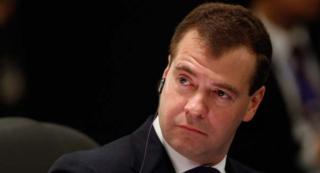
President Medvedev’s modernization program seems more like another attempt to freshen up Russia’s democratic façade while maintaining the status quo, which could potentially worsen the country’s stagnation and perhaps make it irreversible.
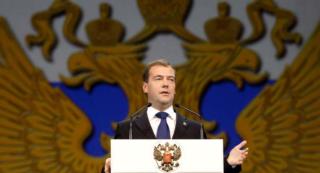
President Medvedev's recent annual address reveals a political style characterized by sharp and wide-ranging criticisms, rhetorical flourishes, and the absence of a bridge between his strategic plans and his concrete proposals.

The Carnegie Moscow Center works to facilitate Andrew Carnegie’s belief that the world could be made a better place through the spread of knowledge and international cooperation. This year, the Center celebrates its 15th anniversary.
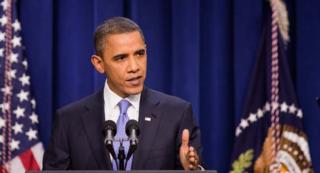
Despite the complexities involved, the new START treaty should be signed by spring 2010. The main stumbling block is that the United States prioritizes a regime of transparency, whereas Russia demands a reduction of strategic weapons.
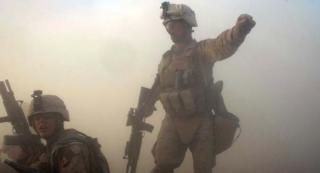
While the U.S.-led NATO operations in Afghanistan have resulted in somewhat enhanced security capacity for Central Asian countries, their long-term security challenges seem to be increasing, given the current situation in Afghanistan and the growing instability of Pakistan.
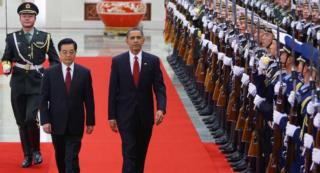
President Obama’s trip to Asia will signal renewed U.S. commitment to this vitally important region. Perhaps the most important stop will be in China, where Obama will seek to ease lingering strategic distrust and discuss key issues of trade, climate change, and security.
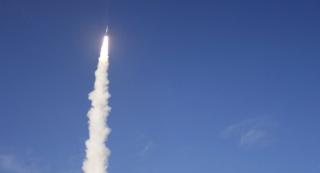
U.S. plans to build a global missile defense system have caused consternation in Moscow, where a potential U.S. first-strike capability is still viewed as the most serious external military threat to Russia.
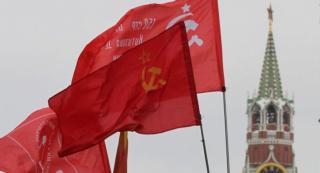
The Russian perception of Stalin and his crimes has more to do with the nature of Russian statehood than with the monstrous actions of the man himself.
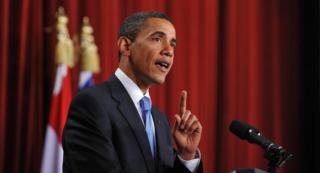
On the anniversary of President Obama’s election, relations with Russia have become a bright spot among the president’s ambitious foreign policy efforts, while other central international goals remain unachieved.
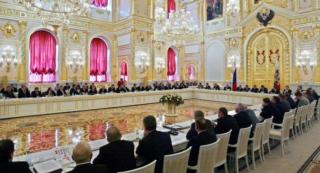
A new system has been implemented for naming the candidate for a gubernatorial post in Russia; the fate of 10 percent of the governors hangs in the balance.