Carnegie Moscow Center

The 2016 budget openly declares that Russia will not compete with the rest of the world in science and technology—at least not outside the defense sector. It suggests that the Kremlin has chosen to wait for oil and gas prices to increase (regardless of the likelihood of this actually happen) while continuing to support the military-industrial complex.

The Paris attacks signify the broadening of an “area of darkness,” of places targeted by the Islamic State, into Europe. The jihadists are not making a distinction between Russia and France. This compels Russians and Europeans to reflect on what they have in common despite their many differences.
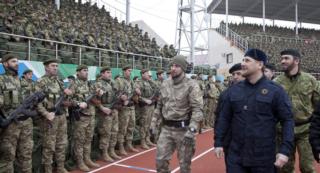
Despite his harsh rhetoric, Kadyrov now takes a pragmatic view of the Islamic State’s influence on the situation in Chechnya and is committing himself to “exorcise” would-be recruits or returnees from the Middle East rather than merely destroying them.
A first strike with nuclear weapons in a conflict between the great powers is bound to be catastrophic. At a time when speculation on nuclear weapons use has increased Russia and the United States should restate their commitment to the nuclear war prevention on which they had agreed in the Cold War era.
China’s ambitious plans for a new Silk Road of railways, highways, and pipelines are driven by both domestic economic needs and geopolitical ambitions. Russia and the states of Central Asia have yet to make a substantial input into the project.
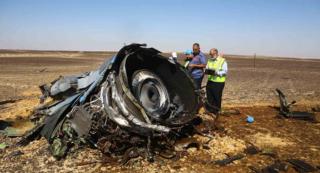
Russia’s leadership has so far resisted saying that the crash of the airliner in Egypt was an act of terrorism, for fear of a public backlash. But even if that were confirmed, Vladimir Putin would most likely decide to escalate Russia’s campaign in Syria.
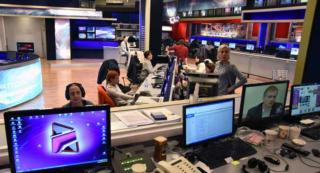
The Georgian government’s move to take over Rustavi-2 television drags the country further into the politics of vendetta.
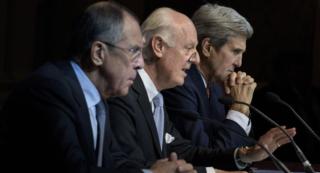
Russia sees the renewal of diplomacy on Syria as a chance to lose the status of international pariah. It has found relevance by getting involved in a crisis where Western strategy is full of holes.
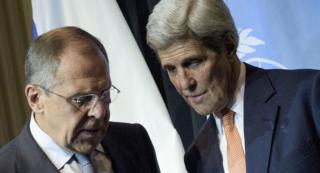
Aware of the perils of a long military operation in Syria, Russia is taking another look at energizing the diplomatic track. But a number of issues will be very difficult to resolve, in particular the fate of President Assad.
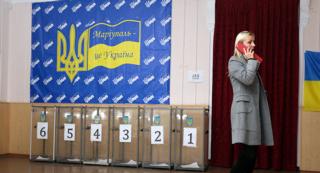
While local elections proceeded peacefully, the fires are still burning around Kyiv.
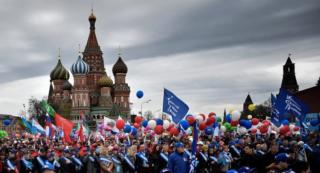
Russia is reverting to the same economic level it had fifteen years ago. Small and medium-sized businesses, which could boost the economy, are held back by regulation and corruption. As a major economic catastrophe is unlikely, this state of affairs looks set to continue into the long term.
Vladimir Putin takes advice from three distinct groups of foreign policy ideologists who can be labeled warriors, merchants, and pious believers. Each of them serves a role, but they have very different views of how Russia should develop.
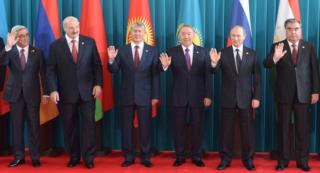
The limited information available from the recent CIS summit in Kazakhstan suggests that Russia’s neighbors—and especially the states bordering the Caspian Sea—did not approve of Moscow’s military strikes in Syria.
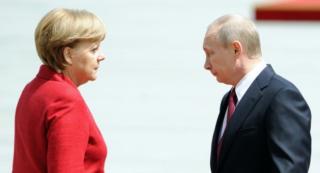
The proponents of the Petersburg Dialogue believed that cooperation between Germany and Russia would increase stability in Europe. But today expectations are self-deluding.
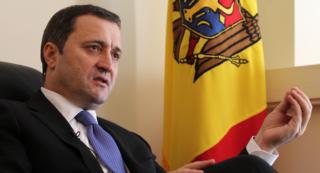
The dramatic arrest of former prime minister Vlad Filat is probably the work of his fiercest political rival utilizing an unprecedented mistake. It will help expose Moldova’s culture of corruption but may put a halt to its integration with the EU.
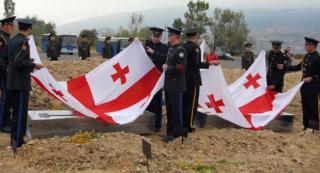
The start of an investigation by the International Criminal Court into the August 2008 Georgia-Russia war could be embarrassing for Russia, but have graver legal consequences for Georgia.
The Kremlin needs the constant narrative of a war in which it plays a righteous role to maintain public loyalty
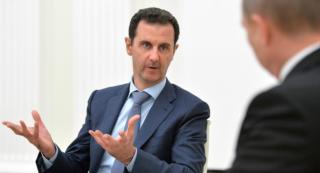
The Assad regime is Russia’s main stake which allows the Russians to influence the situation in Syria and demonstrate their importance in the international arena by positioning Moscow as one of those players without whom the crisis cannot be solved.
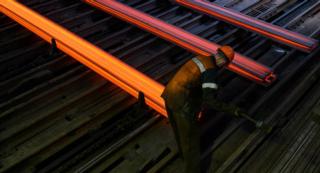
Since the first Five-Year Plan, the steel industry has been a major engine of the Russian economy. Despite being privatized, market-oriented and relatively competitive, it became burdened with large amounts of debt and may be headed for greater government involvement with the maladies that entails
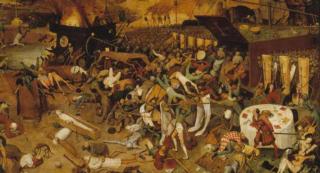
In Syria, as elsewhere, Russia is acting according to a system whereby it escalates a crisis so as to claim a role in the world and challenge “American leadership.” This pattern of behavior dangerously simplifies the complexities of world politics. When one intervention ends, Russia is forced to look for a new one.