Carnegie Moscow Center

Early hopes for a democratic transition in Central Asia after the fall of the Soviet Union were dashed, but new hope was raised as the global community re-engaged with Central Asia in the wake of 9/11. Martha Brill Olcott explains how the region squandered its "second chance," and what might happen next.
Highly touted in both Washington and Moscow as a "strategic partnership" in 2001, the relationship has drifted and the gap between glowing rhetoric and thin substance has grown. When major policy differences emerge, as over war in Iraq in 2002-2003 and recently over Ukraine, all too easily the U.S.-Russian relationship spirals into "crisis," and the threat of a "new Cold War" looms.
This revised edition explores the true nature of Putin’s leadership and how far he is willing to go and capable of going with further transformation. The book includes an examination of the recent presidential and parliamentary elections and their effects on Putin’s leadership and Russia.
For hundreds of years, dictators have ruled Russia. Do they still? Did the processes unleashed by Gorbachev and continued under Russian President Boris Yeltsin lead eventually to liberal democracy in Russia?
The Bush and Putin administrations have misleadingly folded Chechnya into the global war on terror. Their critics have done little better by defining Chechnya as a human rights challenge. However, ignoring Chechnya or focusing primarily on human rights misses the larger issue, which is not what happens to Chechnya, but what kind of Russia emerges from that forgotten war.
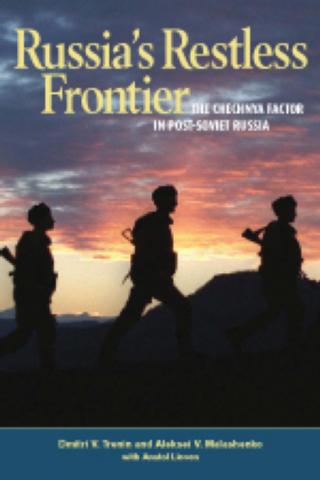
Trenin and Malashenko examine the implications of the war with Chechnya for Russia's post-Soviet evolution. Considering Chechnya's impact on Russia's military, domestic politics, foreign policy, and ethnic relations, the authors contend that the Chechen factor must be addressed before Russia can continue its development.
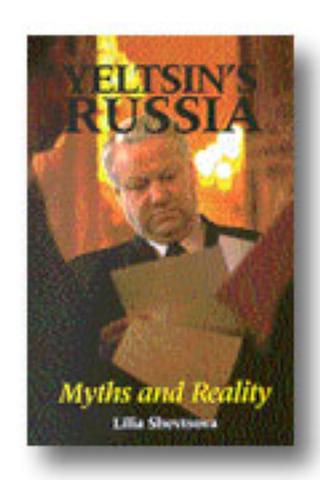
Combining keen political analysis with the unique perspective of a native observer, Lilia Shevtsova offers a valuable assessment of the forces that will shape the post-Yeltsin era.