Carnegie Moscow Center


Without a clear plan for the 2014 withdrawal from Afghanistan, Washington may find the country worse off, in some respects, than it was in 2001.
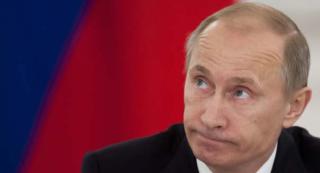
The Russian government's move to end USAID activities is the latest example of longstanding Russian distrust of foreign governmental and NGO assistance programs.
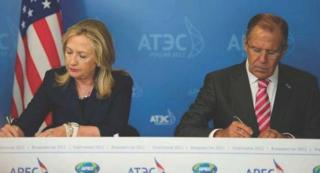
Despite high-profile disagreements on Syria and the broader changes brought in the wake of the Arab Spring, the United States and Russia continue to share similar interests in the region.

Moscow is neither pro-Assad nor anti-West, but its position on the issues of the primacy of the UN Security Council and the importance of sovereignty will not change.
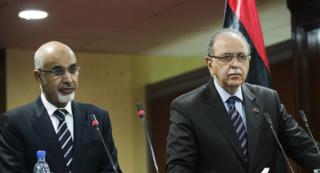
The attack on the U.S. consulate in Benghazi is a tragic reminder of Libya’s worsening security and the challenges of governance that the country faces.
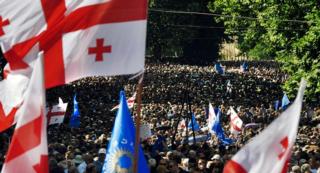
Georgia’s parliamentary election on October 1 will be its most important since the disputed polls of 2003 and is being closely watched abroad, where it is being seen as a test of how Georgia can manage a competitive election process.
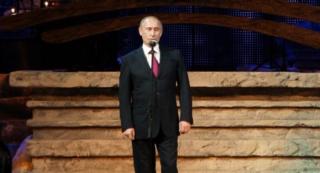
The Kremlin assesses the U.S. presidential candidates by one criterion: which will help it pursue its own domestic agenda. Moscow could be happy with both a second Obama term and a first Romney one.
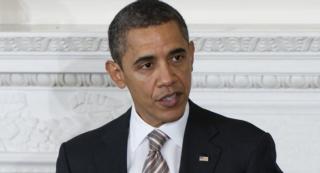
Historically the U.S. Democrats have been perceived as weak in foreign policy and national security, but President Barack Obama has a strong record in these spheres.
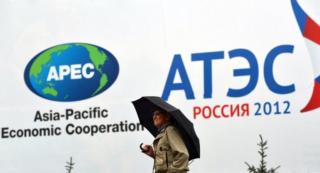
Modern Russia has exploited its Asia-Pacific advantages rather poorly, if at all. The country must find a pathway to a dynamic future and make a pivot from West to East—where the greatest geopolitical challenge is rising.

Conditional and tentative peace between Russia and other European countries is being replaced by much more durable relationships which eschew war as an instrument of policy among the countries concerned.

The APEC agenda focuses on trade and investment liberalization, business facilitation, and economic and technical cooperation—all things that are top priorities for Russia, if it seeks to develop its Asia-Pacific territory and increase its presence in the region.
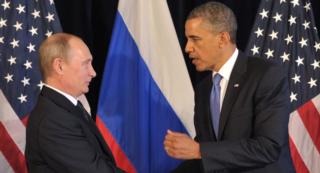
By the time the dust has cleared from the 2012 elections, relations between Moscow and Washington will be in need of new energy and a new agenda.

While Russian military reform, aimed at creating a modern military institution, has proven relatively successful, the Putin leadership’s strategic thinking remains outdated.

Inter-religious and interethnic relations are rapidly deteriorating in Russia, but the authorities lack the programs to cope with them, the mechanisms to create new programs, and the realization that both are urgently needed.

Russians need to see themselves as a Euro-Pacific country, and act accordingly by developing Russia's own Asia-Pacific territory and increasing its activity in the whole region.

Politicization and internal disengagement have increased tension within both Russian Orthodoxy and Islam in Russia, and secular and religious authorities are consciously facilitating these societal divisions in an effort to strengthen their positions.
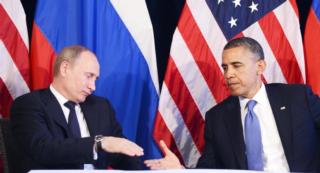
While it may be morally satisfying for U.S. politicians to criticize Russia, moral outrage without a smart negotiating strategy will do little to advance vital U.S. interests—including democracy and human rights.

If Republican presidential candidate Mitt Romney is elected, there is reason to worry that bilateral relations between the United States and Russia may become frayed. However, Russia will not be Romney’s foreign policy priority.
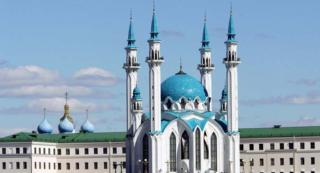
The recent terrorist attack in Tatarstan has put an end to the illusion that this Russian region, unlike the North Caucasus, will be able to avoid the radicalization of Islam.
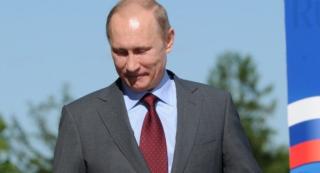
Putin's regime has transformed Russian authoritarianism into a brand of personalized power that has the potential to shift toward a dictatorship.