Carnegie Moscow Center

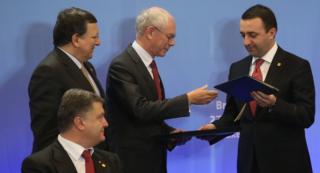
There are few if any reasons for Russia to worry about an immediate negative impact on trade and economic interests of signing of the AA/DCFTA by Ukraine, Moldova, and Georgia. The Russian government’s position is more likely to reflect concerns about the loss of geopolitical influence rather than trade and economic relations.
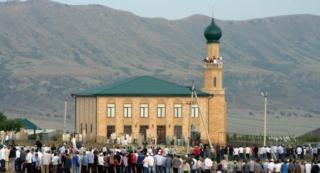
The roots of the insurgency in the North Caucasus remain: local muslims, especially in Dagestan, still experience rule by Moscow as brutal and corrupt and feel they have no stake in Russian society. These roots are only likely to get deeper as Russia becomes more autocratic.

If Russia wants to stay in the game of global competition, it has no choice but to work toward becoming a civic nation, a rules-based polity, and a modern economy.
This week the U.S. government has presented to Moscow the candidacy of its future envoy for customary prior approval by the host country. Then, at some point, the Russian government not objecting and the U.S. Senate willing, a small but important element of U.S.-Russian diplomatic normalcy will be restored.
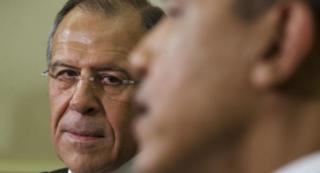
The 25-year-long quest for Russia's integration with the West is off. A new normalcy is setting between Russia and the West resembles the Russo-British Great Game of the 19th century—this time between America and Russia.
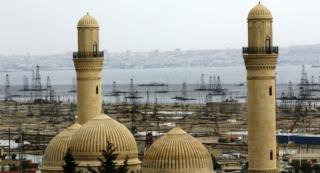
With the conflict reaching Iraq, which reflects to the same religious divisions as in Azerbaijan, the risk is greater that Azerbaijanis Shia and Sunnites will be affected by the sectarianism of the Middle East.
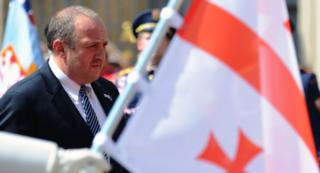
An exertion of soft power by stealth is Russia's best chance of re-establishing influence in Georgia. And its only chance of success is if the new economic relationship between the EU and Georgia fails to deliver results.
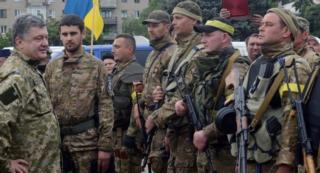
Ukraine is the most important strategic issue for Russia, and Putin, who mistrusts the West, worries that NATO enlargement may concern Ukraine.
Russian state and national identity are still based on the search for the enemy. However, the patriotic euphoria that followed Crimea has begun to wear off. As the Kremlin attempts to understand what to do next in Ukraine, it has become clear that Russians are not prepared to pay for it with their lives.
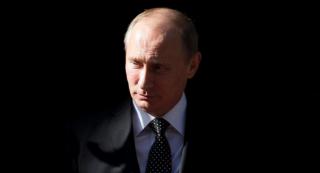
The initiatives outlined by Putin in his speech at the St. Petersburg International Economic Forum may lay the groundwork for radical changes in economic policy.
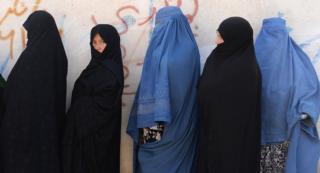
The world treats Afghanistan as a doctor would treat a seriously ill child that nevertheless shows some signs of improvement. If Moscow sincerely wants Afghanistan to return to peace and stability, then it should stop looking at this country through the prism of its present relations with Washington.
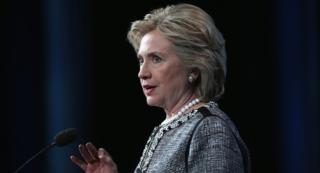
Hilary Clinton has just released her memoirs, “Hard Choices.” In it, she describes Russia as one of the hardest of those choices for the United States. But in the present circumstances of the difficult international landscape, the United States can only do so much.
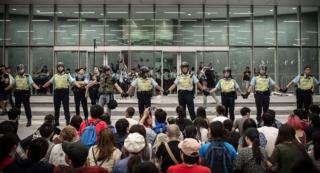
The Chinese do not have to listen to the Russians to see threats to their national sovereignty and domestic stability on the horizon. Both see Western support for democracy as a tool to contain them internationally and to weaken them from within.
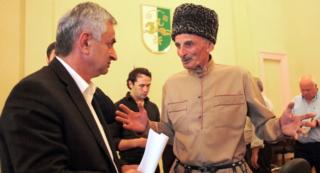
The coup d’état in Abkhazia attracted virtually no media attention in Russia, and even less attention was paid to the parliamentary election in South Ossetia. It seems that after almost six years of Abkhazian and South Ossetian “independence,” these territories stopped being Russia’s headache, only to be replaced by Crimea.
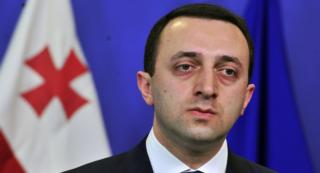
Local elections in Georgia demonstrated that less than two years after taking office the Georgian Dream has shed a large section of its support.
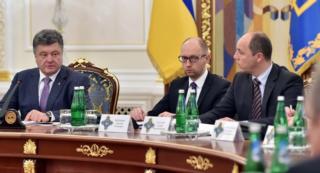
Ukraine needs strong, loyal managers in order to face the long and daunting list of tasks confronting the country. However, to move Ukraine forward the president and his team will need to put aside their own ambitions.
Does liberal democracy depend on the existence of ideological and civilizational rivals to spur it into cycles of reinvention and renewal?
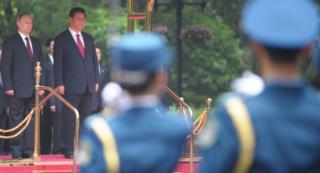
In mid-2014, the United States' relations with China and Russia are substantially worse than those two countries' bilateral relations. The unique position that the United States has held since the 1990s as the dominant power in Eurasia is now history.
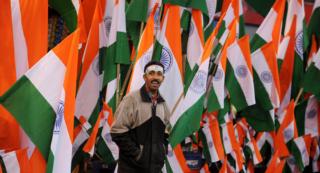
With Prime Minister Narendra Modi coming to power in India, both Russia and the United States are hopeful that they can influence the new foreign policy agenda in India.
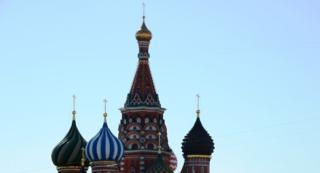
On June 12, Russia is celebrating its national day, but the date continues to confuse Russians. It is on this day that Russia tries to celebrate its sovereignty without raising the uncomfortable question: sovereignty from whom?