Carnegie Moscow Center

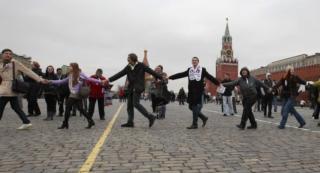
Sooner or later, Russia will have to decide whether to de-hermetize or to reproduce a system of personalized power that can only push the nation toward disaster.
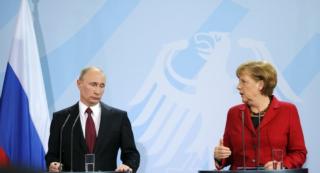
The Petersburg Dialogue was set up to bring together a cross section of Russian society and encourage the country's transition to democracy. It hasn't worked that way.
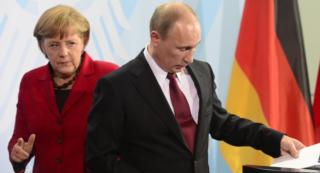
An increasing number of German politicians from the main political parties are questioning Berlin's special relationship with Russia under President Vladimir V. Putin.
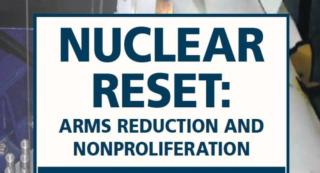
The concept of nuclear disarmament as an essential condition for nuclear nonproliferation is again entering the realm of practical politics, but the movement toward nuclear disarmament is extremely difficult and fraught with great dangers.
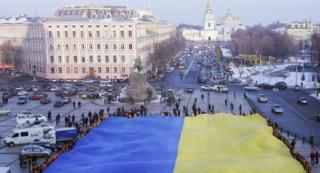
While the outcome of Ukraine’s upcoming parliamentary elections is unclear, the result is unlikely to change the country’s power structure.
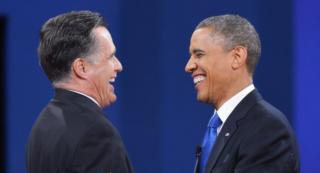
The third presidential debate lacked a strategic vision for U.S. foreign policy toward Russia and China.
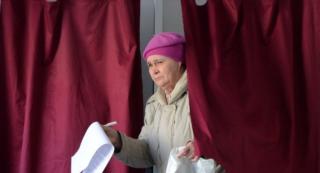
The recent regional elections have shown that rather than making the political system more open and competitive, the Kremlin has found new ways to outmaneuver the opposition while maintaining its hold on power.
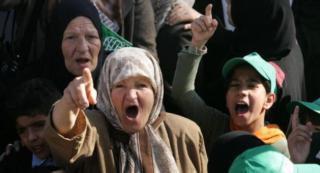
Since 2011, the driving forces in the Middle East have been the Arab people, the Gulf monarchies, Iran, and Turkey, not the United States. As global power realities shift, so must U.S. foreign policy.
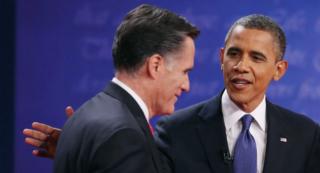
Moscow would probably prefer Obama to win in the U.S. presidential elections, but a Romney win would not be seen as a disaster. Romney's Cold War-style rhetoric fits into Putin’s worldview and helps him to mobilize his supporters.
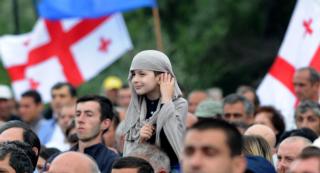
Through the recent parliamentary elections and pending peaceful transfer of power, Georgia has made several important strides toward establishing democracy and rule of law.

The Tajik leadership faces an urgent choice between fully embracing reform and continuing on its current failed track. Tajikistan’s decision will have very real implications for this troubled region.
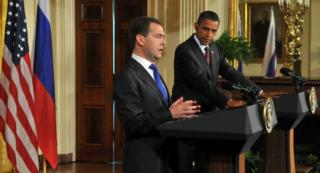
The United States and Russia have reached an arms control impasse, and no new agreement is on the horizon. Concrete confidence-building measures could help build trust.
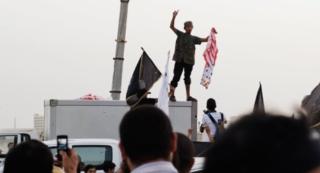
Periodic sparks of mutual discontent and clear frictions between Muslims and Christians are inevitable, and efforts should be made to ensure they are not fomented.
As the traditional Russian system predicated on personalized power heads toward its end, the United States can either continue to support the current system or it can recognize the transience of this system and thus help Russian society cope with the changes to come.
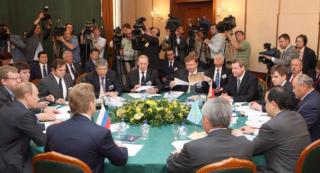
As the Eurasian customs union’s influence on the world stage and in Europe’s neighborhood is likely to increase, the EU should attempt to understand the project and find ways to protect its own interests.
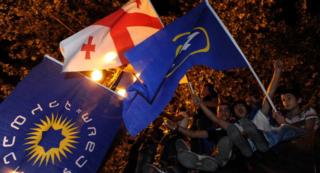
Despite widespread fears of a deadlocked, disputed election and protests on the streets, Georgia is—so far—on the path toward a surprisingly orderly transfer of power following the recent parliamentary elections.
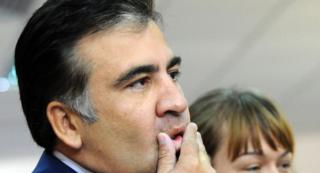
Georgia's legislative election has brought something unprecedented to most of the post-Soviet republics: political change through the ballot box.
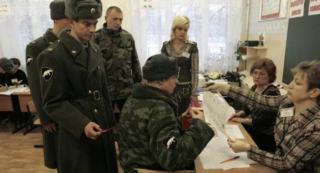
On the eve of regional elections, the authorities have responded to protesters' demands for a more competitive and transparent political process by employing ever more sophisticated tricks to retain their hold on power.
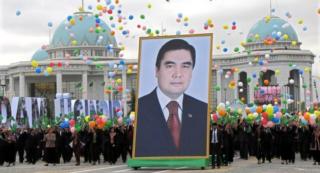
While the regime in Turkmenistan remains the most authoritarian of all Central Asian states, its stability depends on the availability of financial resources coming from the gas sales.
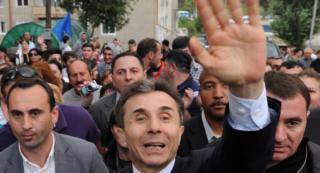
The Georgian electorate is torn between frustration with President Saakashvili and suspicion of the opposition's leader, billionaire Bidzina Ivanishvili.