Carnegie Moscow Center

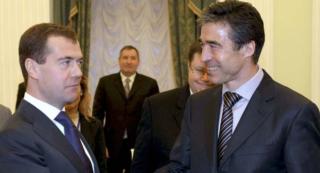
While obstacles remain, the conditions are looking good for launching the negotiation process between Russia, the United States, and Europe on the creation of a joint missile defense system for the entire Euro-Atlantic region.
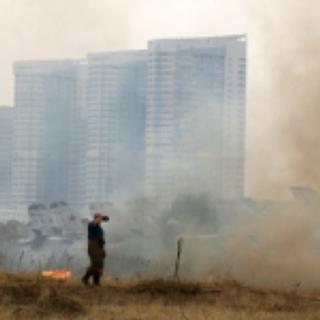
With inflation rising, trade balances falling, and economic growth slowing, the outlook for Russia's economy is bleak. Official plans for strict budget tightening will only add to the troubles.
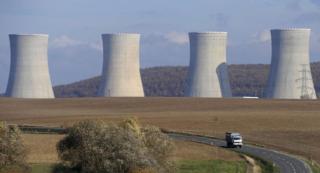
U.S.-Russia cooperation on civilian nuclear energy would enhance mutual security, promote economic growth, cement the gains of the reset, and provide the relationship with long-term stability.
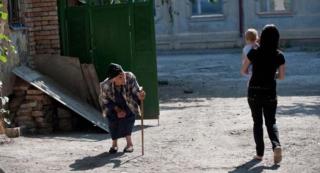
The current political and economic situation in the South Caucasus is partly the result of the misconceptions about the region that have been propagated by both outsiders and locals.
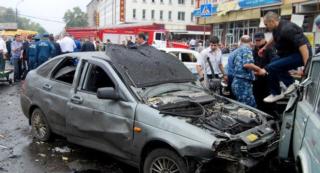
The blast in Vladikavkaz is the latest episode in what is becoming a latent civil war in the North Caucasus, where the Russian authorities are facing an opposition with its own specific religious and political ideology.
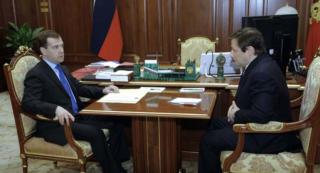
Narrow bilateralism is an abiding problem in regional policies in the South Caucasus, and it is only complicated by the multiple policy agendas of outside interests such as Russia or the United States.
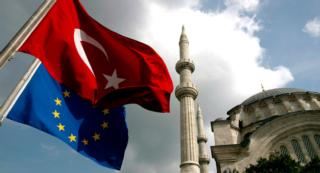
Turkey’s recent constitutional referendum passed with the support of little over half of the Turkish population, giving Prime Minister Erdogan an electoral victory and consolidating his political authority.

The real challenge facing Kyiv today is to deliver on the promise of effective government in the short term, without sacrificing Ukraine’s long-term strategic interests.
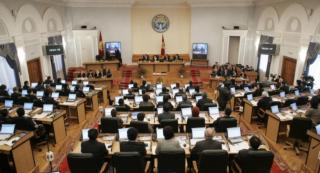
As the October 10 parliamentary elections approach, Kyrgyz political parties must clarify their positions on the most pressing issues facing voters, such as reforming the electoral system.

While previous presidential envoys were typically former military officers, recent appointees, like the new envoy to the Siberian Federal District, are professional economists, demonstrating Moscow’s awareness of the need to develop regional economies.
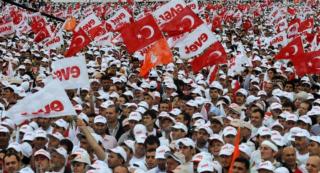
Turks are preparing to vote on a set of proposed constitutional amendments that risk undermining the independence of the judiciary and eroding one of the necessary checks on the power of the executive branch.

Russia, Europe, and the United States are critical players in Moldova’s development and have an opportunity to help transform Moldova into a real post-Soviet success story and prove that a prosperous democracy can exist in the space between East and West.
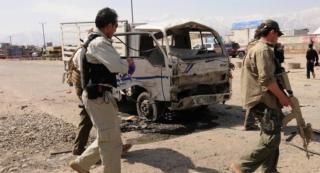
The best hope for exiting the war in Afghanistan is to Afghanize the conflict and establish a coalition government that includes Taliban leaders.

Religious services held inside Turkey’s borders by Pontic Greeks are a sign of the breakthrough in Turkish-Greek relations and a similar initiative at an Armenian church inside Turkey would be another step toward the normalization of relations between Turkey and Armenia.

While the "reset" in U.S.–Russian relations has come with closer cooperation on arms control, Afghanistan, and Iran, as long as Russia's system of personalized power rests on anti-Western principles, a true reset is unattainable.
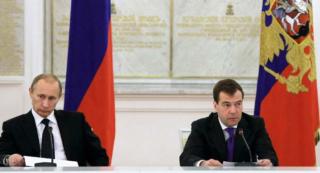
Current economic, social and political conditions are more likely to push Russian voters toward opposition candidates than United Russia’s candidates, with potentially significant ramifications for the ruling party.

The best hope for a two state solution is a new, comprehensive approach that involves the most important regional players, including Saudi Arabia and Syria.

Growth in emerging economies has slowed from torrid post-crisis rates, but remains high and will likely mitigate—but not fully compensate for—a sharp slowdown in advanced countries.

Given Moldova’s economic potential and political openness, the United States, the European Union, and Russia can play a significant role in aiding Moldova on the path to EU membership and helping to transform the country into a prosperous pluralistic democratic state.

The militant attack on Chechen President Ramzan Kadyrov’s home village has shown the vulnerability of the Kadyrov regime, which is commonly considered the most successful in the North Caucasus and quite capable of guaranteeing stability.