Carnegie Moscow Center

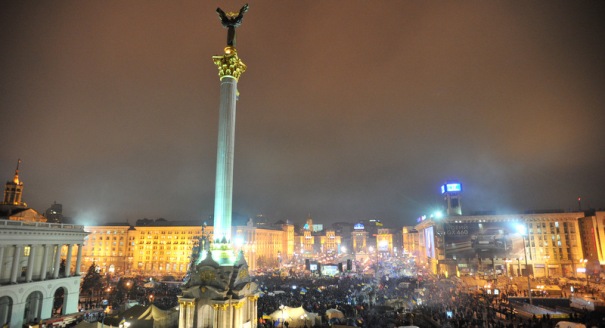
Viktor Yanukovych is not ready to step back from the struggle for monopolistic power. His game with the West has only one purpose for him—to trade less humiliating conditions for surrender to the Kremlin.
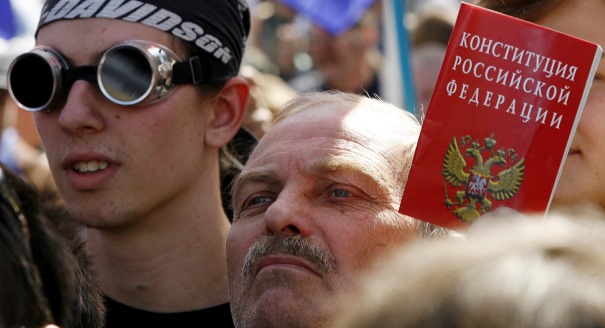
Russia’s Constitution is the main guarantee and instrument for keeping Russia’s authoritarianism in place. Constitutional reform that will ensure political competition should become the foundation for political reform in general and for opening up Russia’s system of government.
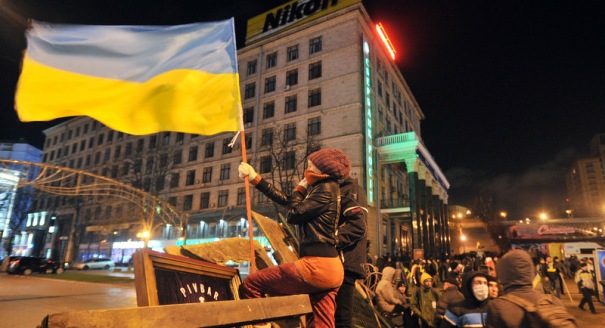
The current Ukrainian awakening is a test for Europe and its ability to reenergize itself and acquire a mission to help find Ukraine a peaceful way out of the confrontation.
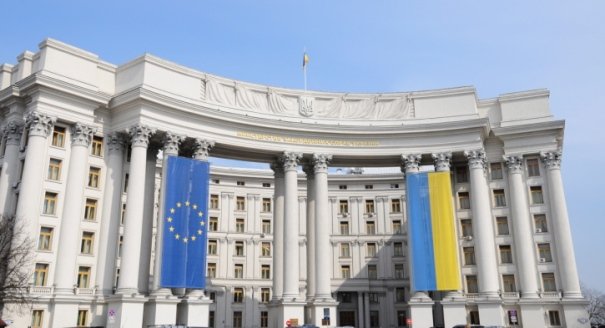
Ukraine’s future will offer answers not only to the question of whether or not Russia will continue to see itself as an empire, but also to the question of how committed Europe is to the values it espouses and how far the West is prepared to expand its influence.
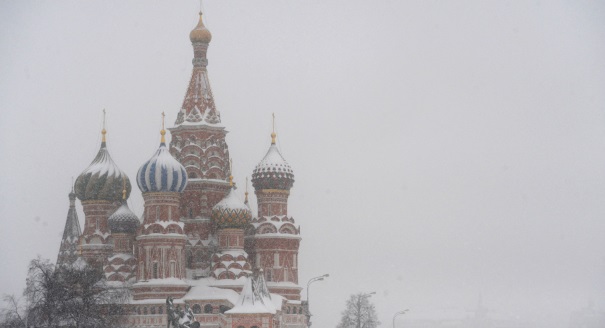
The Russian personalized power system is once again demonstrating its ability to reproduce itself. This time the Kremlin is trying to ensure its future by returning to the past, reviving old myths, repressive mechanisms, and global claims.
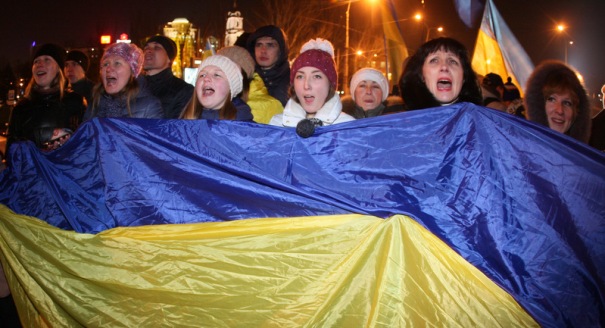
The Vilnius summit may be successful only if Europe analyzes the Ukrainian lesson and the EU’s own strategic faults, and if it decides to reinvent its current Eastern Partnership model.
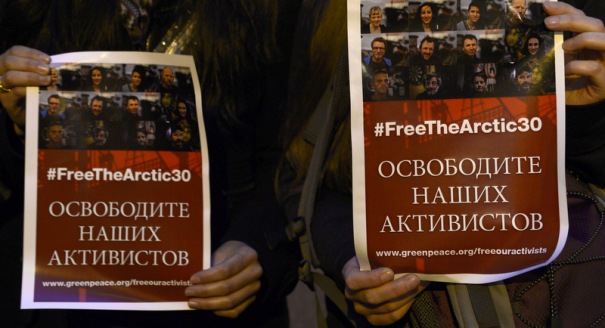
The Netherlands filed a claim against Russia in the International Tribunal for the Law of the Sea, in connection with detaining the activists and crew of Greenpeace’s Arctic Sunrise. Acting by challenging the state that no one wants to irritate, the Dutch decided to take a principled stand and stick to it to the very end.
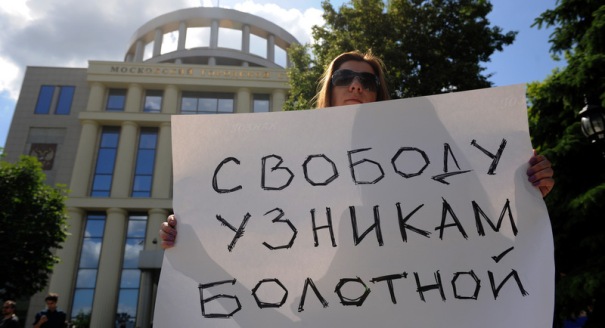
In May 2012, the arrest of ordinary demonstrators on Bolotnaya Square and the riot charges pressed against them signalled the authorities’ shift from soft authoritarianism that tolerates limited discontent to a more repressive style of government.
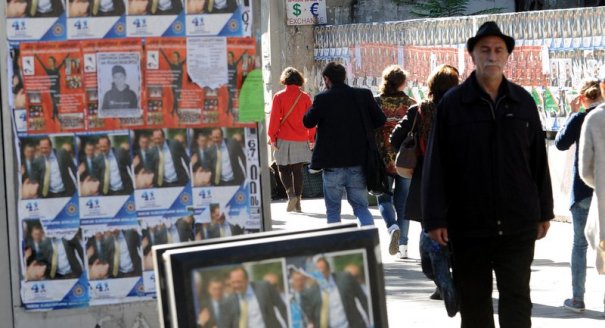
The experiment of a peaceful power transfer in Georgia, if successful, will determine more than just the country’s future. It will reveal the possible trajectory of other post-Soviet states that will attempt to move toward an open society.
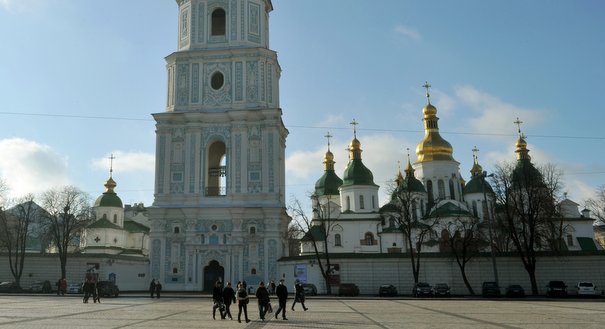
Ukraine’s trajectory in the coming months and years will serve as a test of Russia’s global role and how far the West is prepared to expand its influence.