Carnegie Moscow Center

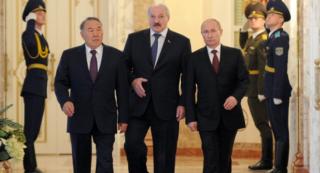
As the focus is all on Putin's effort to reshape his neighborhood this week, a Kazakh and a Belarusian silence is an awkward reminder that the Eurasian Union was supposed to be a collaborative project and that the more Putin grabs the headlines, the less that is the case.
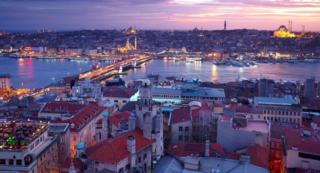
The question of whether a government can and should enforce rules about personal morality is at the center of current political arguments in Turkey and the outcome of this dispute will determine the future direction of the country.
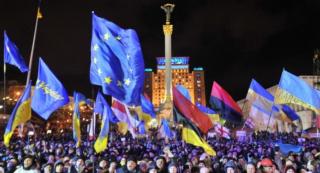
The choice between Europe and Russia is Ukraine’s. The battle in Ukraine should not be allowed to become a battle for Ukraine between the EU, Russia, and the United States.

Regarding finances, the Russian government has used three methods to keep the Ukrainians from signing the Association Agreement with the EU: bullying, bribery, and defending Russian national interests.
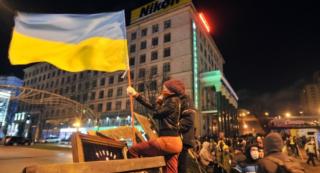
The current Ukrainian awakening is a test for Europe and its ability to reenergize itself and acquire a mission to help find Ukraine a peaceful way out of the confrontation.
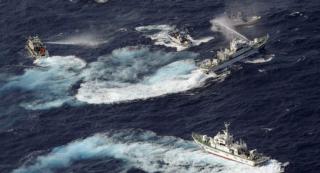
The intensification of the Sino-Japanese standoff in the East China Sea calls for better communication between the Chinese People’s Liberation Army and the Pentagon.
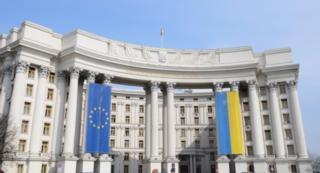
Ukraine’s future will offer answers not only to the question of whether or not Russia will continue to see itself as an empire, but also to the question of how committed Europe is to the values it espouses and how far the West is prepared to expand its influence.
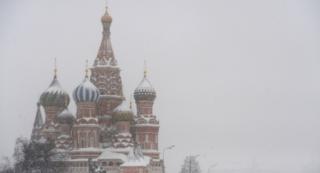
The Russian personalized power system is once again demonstrating its ability to reproduce itself. This time the Kremlin is trying to ensure its future by returning to the past, reviving old myths, repressive mechanisms, and global claims.
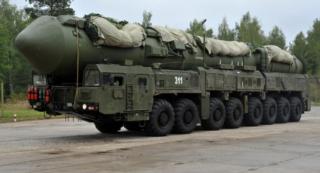
The recent reports in the U.S. media suggest that Russia has violated the INF Treaty seem to echo, at a new stage, previous claims made almost six months ago. At that time, questions arose in connection with the Rubezh missile flight tests and assumptions were made that the Rubezh missiles are actually intermediate-range missiles.
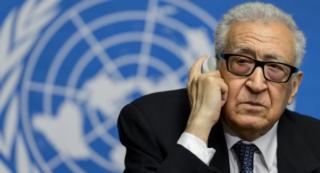
The agreement on Syria between Russia and the United States turned out to be insufficient. A broader compromise is required to resolve the crisis, particularly between the warring sides in Syria.
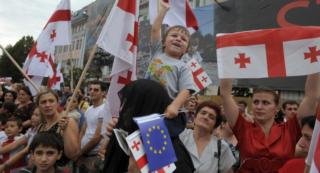
Georgia has been ready for any and every subsequent step that paves the way toward anchorage with the project of European Integration.
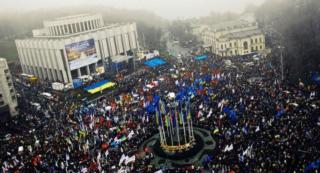
In the run-up to the Vilnius summit, the EU could have played its hand better and could have gone the extra mile with Moscow to demonstrate to Russia and the world its good intentions.
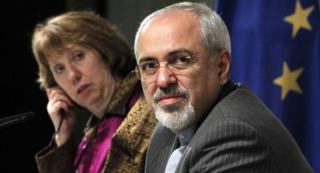
The agreement reached in Geneva will slow Iran’s nuclear progress. For that reason alone it deserves support.
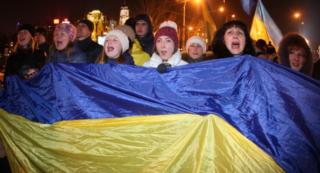
The Vilnius summit may be successful only if Europe analyzes the Ukrainian lesson and the EU’s own strategic faults, and if it decides to reinvent its current Eastern Partnership model.
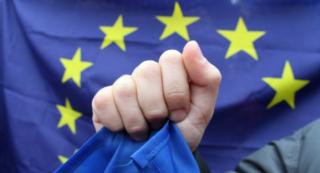
The Ukrainian government’s suspension of the EU association process has come as a bombshell to many. However, it is Russia, ironically, who needs to be wary of this decision.
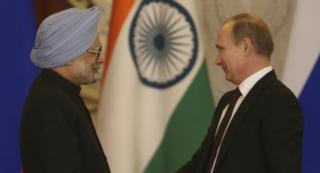
India would be able to make an important contribution to the resolution of the Syrian crisis.
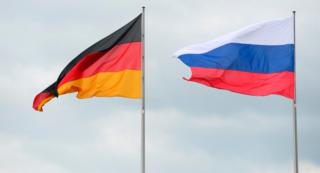
More than any other European state, Germany is responsible for developing and implementing the EU’s policy toward Russia. Berlin needs to accept this responsibility, assume leadership, and develop a Russia policy fit for the twenty-first century.

The situation in Asia-Pacific will not allow an easy establishment of a solid international security arrangement.

Russia is reacting to the rise of Asia by shifting its attention eastward—from the Ural Mountains to the Amur River. Moscow must learn to act like a Euro-Pacific power.
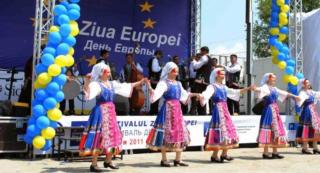
The Eastern Partnership states and the EU have to acknowledge their own failures instead of playing a “blame game” and work together to make the partnership a success.